

I grew up believing that Utopia and Ethiopia are the same place.
Had a rough childhood and I liked the idea of living in Utopia where the community/ people were heavenly pleasant, and even a little lost child could roam freely without worries. In reality, Utopia and Ethiopia is a completely different and opposite in every each way.

I discovered that Ethiopia is an African country next to Somalia and is famously portrayed as a poor, underdeveloped country and prone to experiencing famine, just like the rest of its neighbouring African countries. This country or any other African country has never been listed on my bucket list – of places that I need to visit before I die.
Out of curiosity (and my urge to try something different) I decided to join Photosafari Malaysia when they organised a trip to Ethiopia for the first time.
Yup, it was an out-of-the-world kind of experience and I ended up exploring Ethiopia twice (the first trip covering the Southern part and the second trip covering the Northern part). Ethiopia is geographically adventurous and Ethiopians are amazingly colourful people. A real eye-opener for the ignorant me and I experienced my ‘advanced’ humanity lesson here.
I was at the Omo River Valley of Southwestern Ethiopia last year visiting a few ethnic people of Ethiopia like Karo, Hamar, Benna, Mursi and Dassecnech.
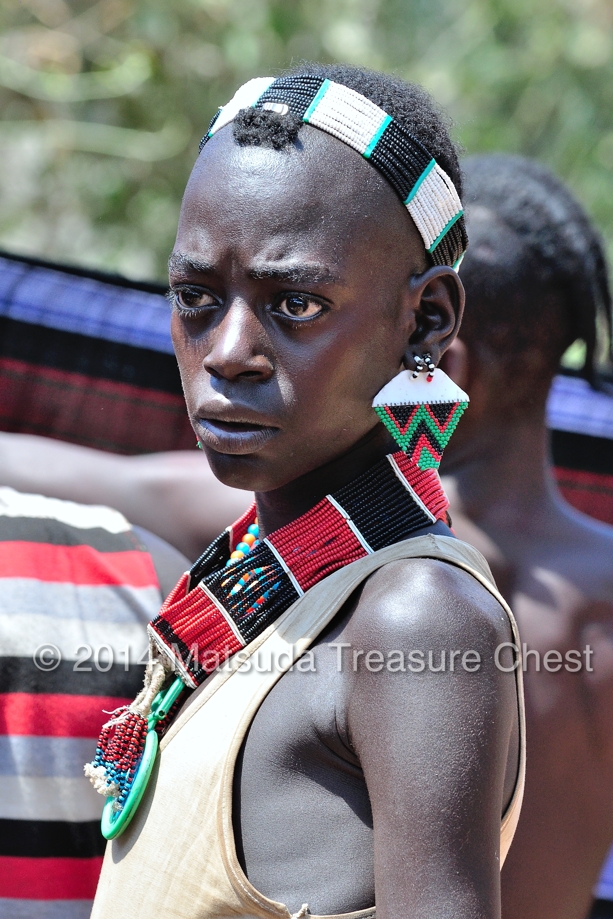
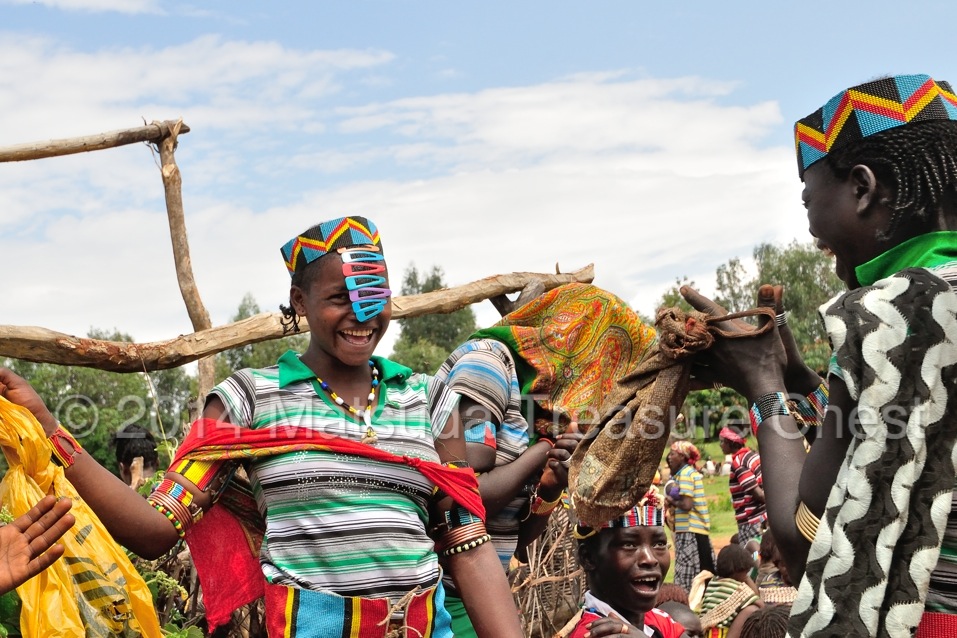
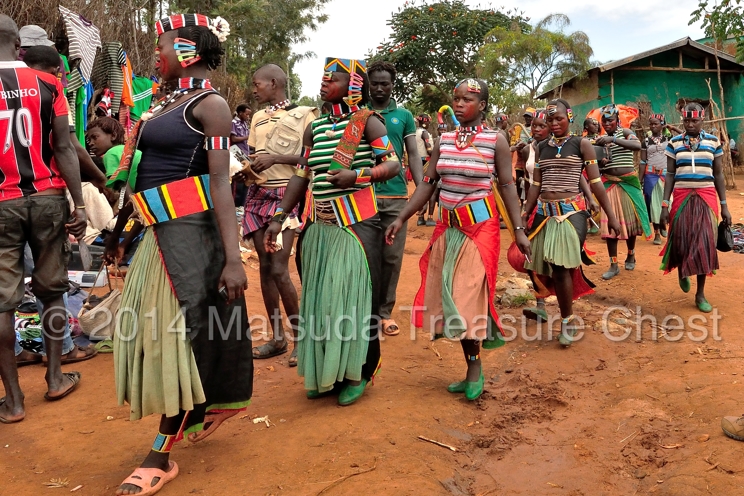
The people of Hamar struck most of my attention probably because of the way they carried out themselves. They seemed to have the air and pride of a warrior. The same feelings that I felt while I was lingering around people of Afar from the Danakil Depression, Northern Ethiopia. While hanging around with them at the market and in their village, I noticed that male and female Hamar are very fashionable and colourful people.
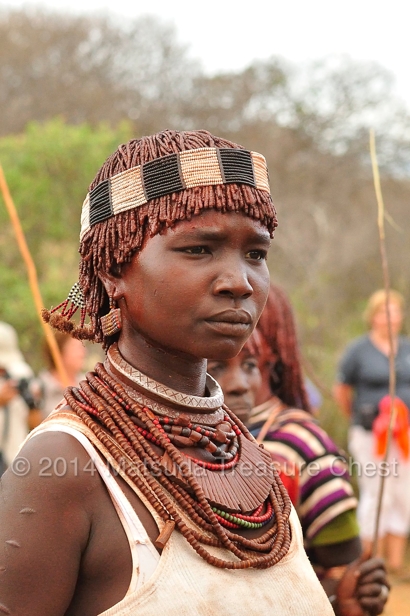
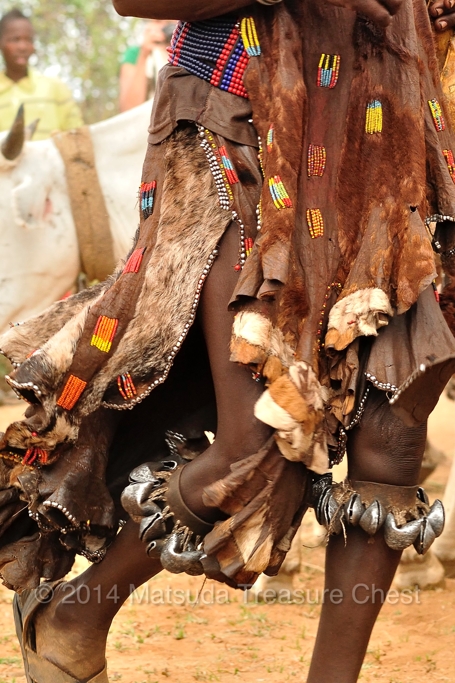
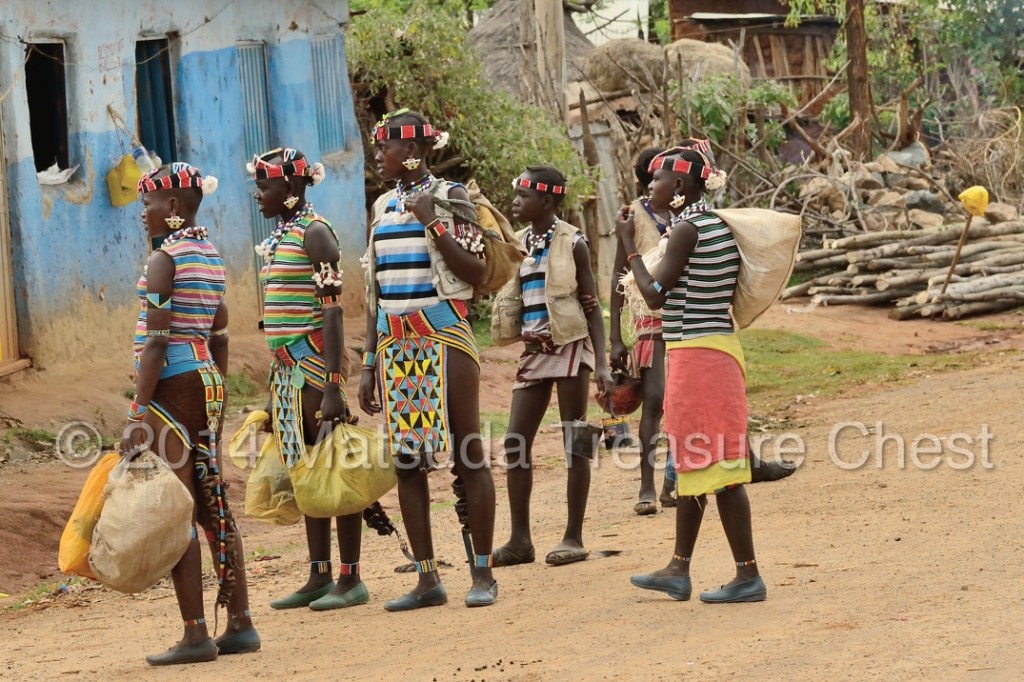
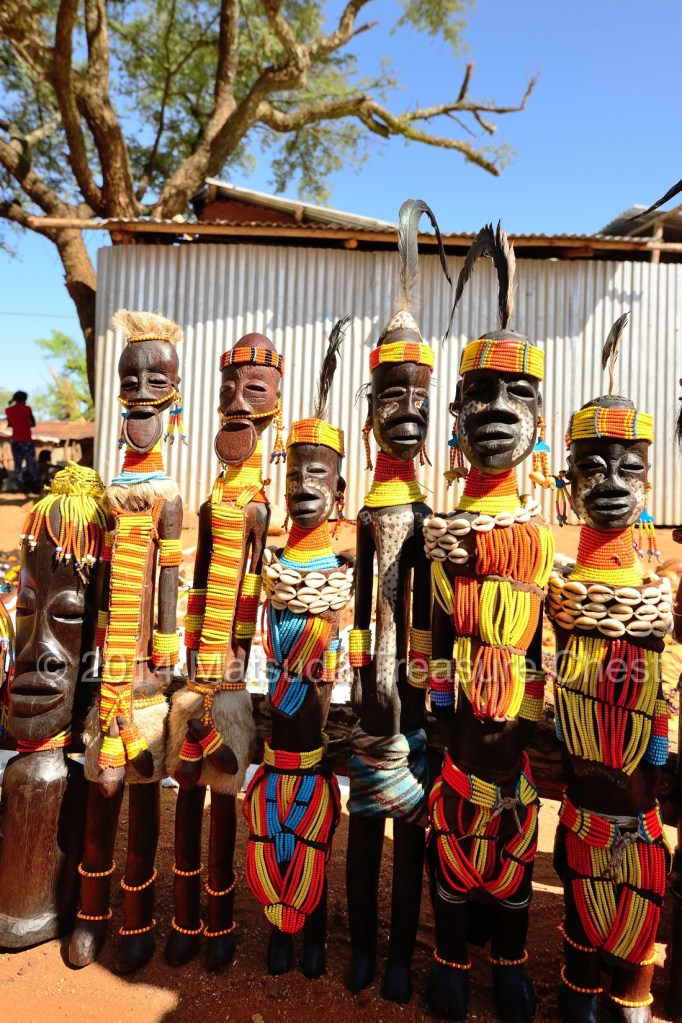
The choices of colour on their jewellery were strikingly matched their skin colour. Their jewellery and accessories were either made of African seed beads or metal (like brass, copper and silver).
Lucky me, I had the opportunity to attend the famous Hamar Bull Jumping ceremony and a wedding celebration back in their village. Bull jumping or bull leaping ceremony is where a Hamar man has to successfully leap over a line of cattle for him to get married. It is an initiation right of passage to qualify him to get married, own cattle and have children.
There are great stories behind Hamar’s unique fashion statement, you can visit Lars Krutak: Tattoo Anthropologist’s blog for details facts and stories.
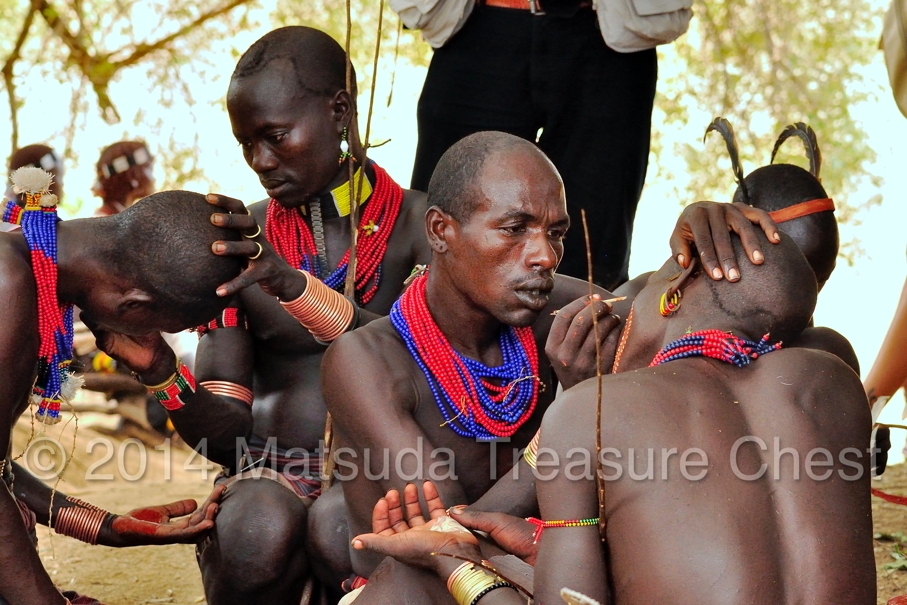


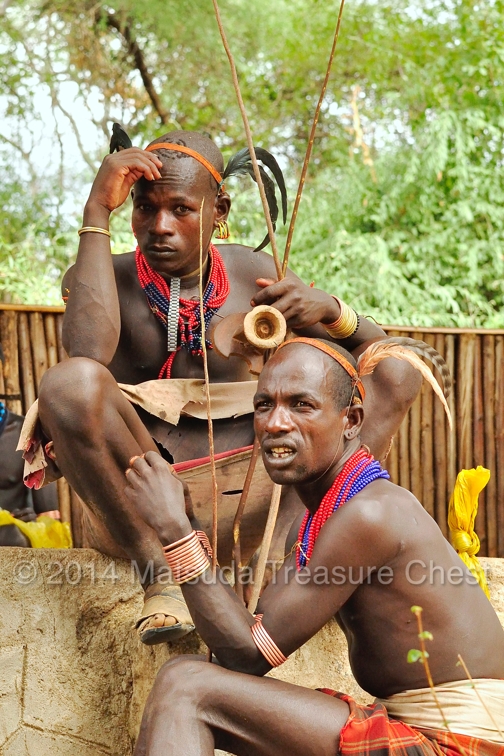
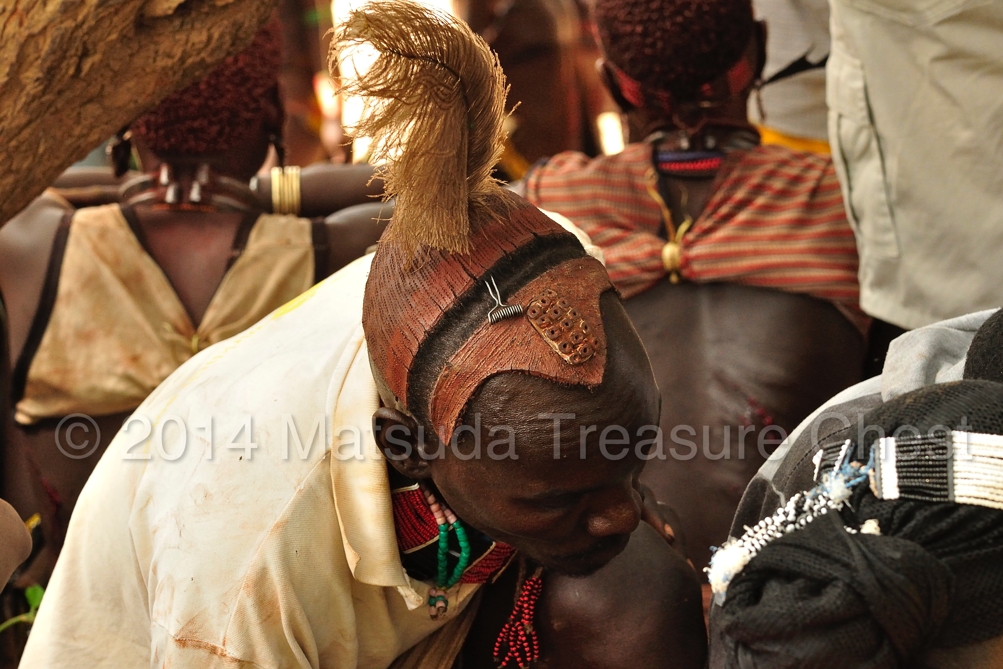


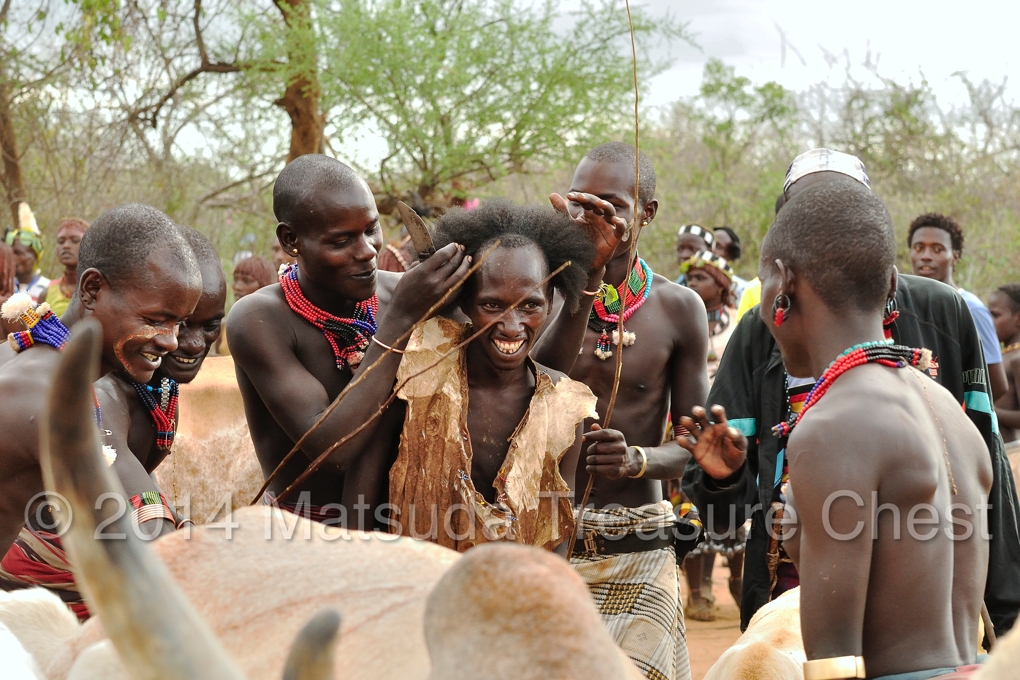



Before the Bull jumping ceremony started, women from the groom’s side needed to endure a series of whipping on their flesh to prove their love towards their men. Honestly, it was not a very pleasant scene to witness. I was uncomfortable by the whipping sounds and seeing blood oozing out from a dangling flesh was not something that I wanted to share here. But you always can google for further information about the ceremony.
The Hamer women are as fashionable as their men. If men can show off their brave accomplishments through their body scars and mud caps, women of Hamar have the same way to display their braveness and status to the public.
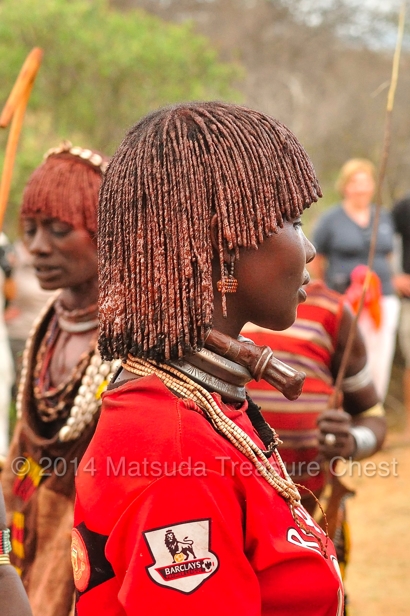
Other than body scarification, their fashion statement generally is based on their marital status (depending on whether they are married, engaged or single). Married women wear their hair with that muddy hairstyle called goscha, some kind of fat and special mud (ochre imported from African neighbouring countries like Kenya) blended together to create wet-looking hair that they believed could attract their men.
Married and engaged women of Hamer need to wear 2 neck rings around their neck, and an additional heavy neck ring called esente for the first wife of a Hamar man. Like their men, the jewellery and accessories for Hamar women are mostly made of African seed beads and metals (either brass, copper or silver) too.




I bought myself a bracelet during my second trip there, a simple metal bracelet just to remind myself that I survived the Danakil Depression (the hottest place on earth). We were at the Dalol of Danakil Depression campsite when I saw Muhammad, a local Afar boy, wearing a bracelet that I kind of liked and I ended up buying it from him for 300 bir.
Well, I know it was kind of expensive but I was desperately in need to reward myself for being able to endure the agony that I had to experience during my visit. A sweat agony indeed … love every moment I spent here in Ethiopia … alhamdulillah.
Thanks for reading.

Cheers
MM
 MATSUDA MASHIMARU