
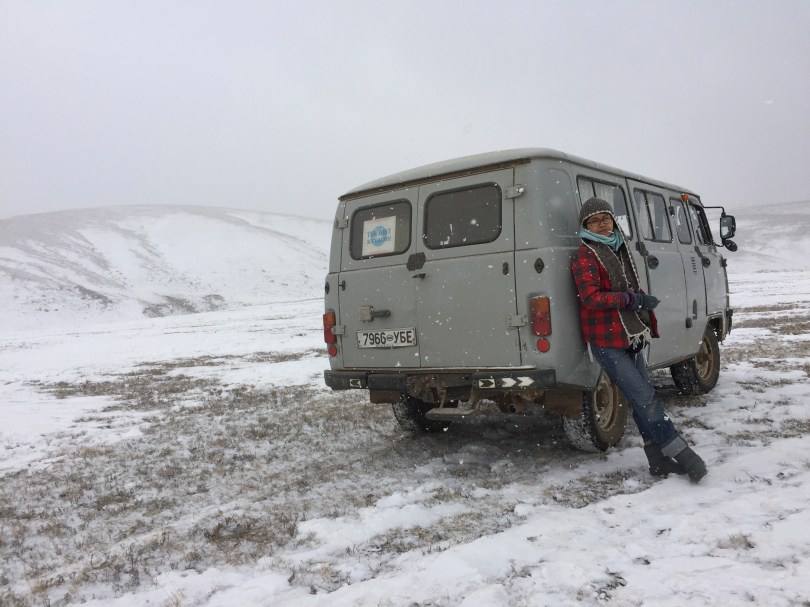
While travelling in Mongolia, their nomadic lifestyle caught my attention.
After embracing a minimalist mindset a few years ago, I gradually found myself drawn to the idea of living with a nomadic mindset, too.
Not that I’m ready to pack my bags and move from place to place just yet — hmmm, not yet — but I sense (acewah, boleh plak sense lol) that thinking like a nomad allows me to explore life more freely. Carrying unnecessary baggage, whether physical or emotional, only weighs me down. Being too attached to materials or even people can quietly hold me back from stepping beyond my comfort zone.
Having the chance to live with real nomads in Mongolia, even for just a few days, was a deeply nourishing experience. About half of Mongolia’s population still leads a nomadic life, herding their livestock freely across the vast open lands — a humbling reminder of what it means to live simply and freely.
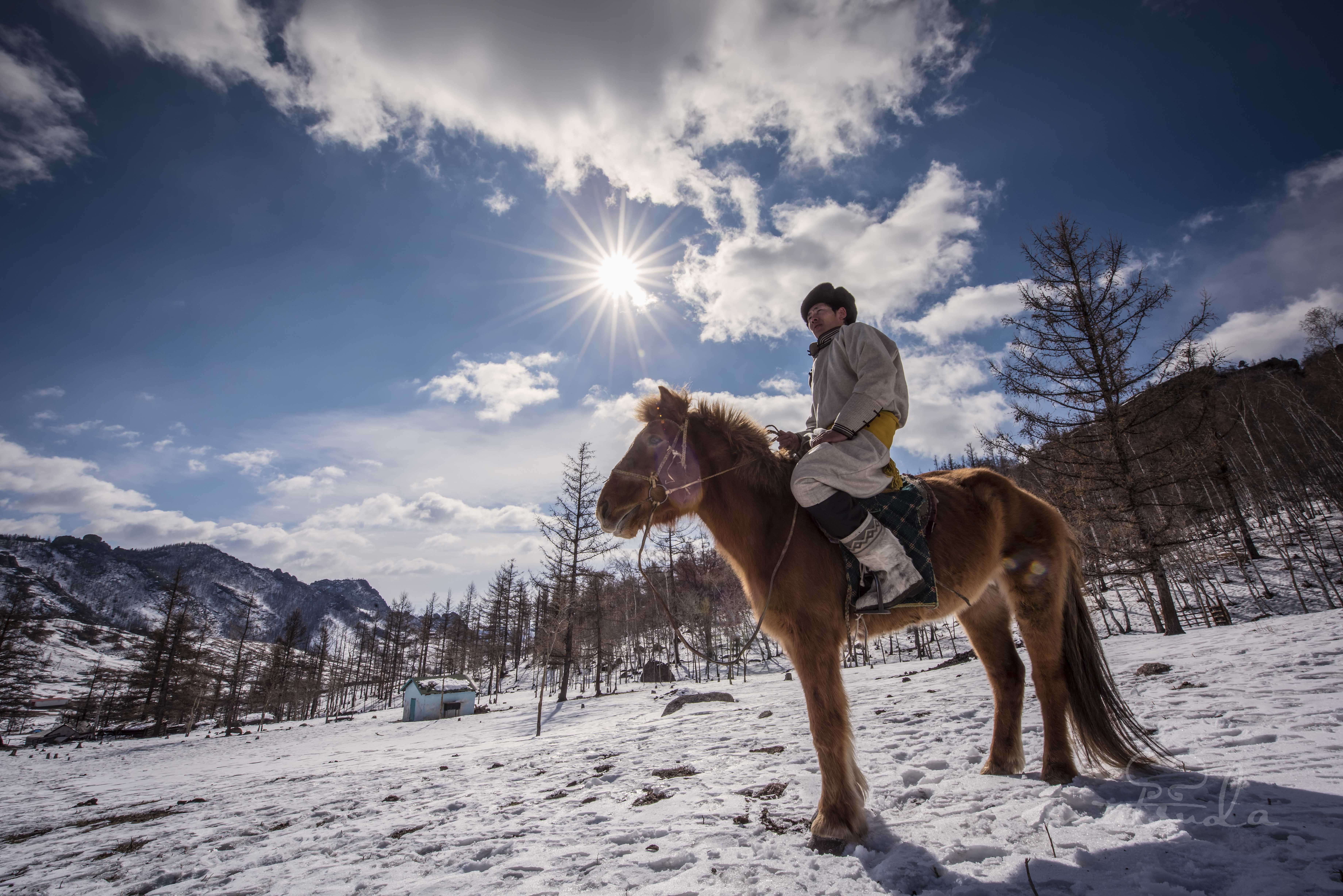
They live in gers — large, comfortable, tent-like homes that can be packed up and moved from one campsite to another at least four times a year. This seasonal migration helps them find the best pastures for their livestock and shields them from Mongolia’s harsh climate, especially during winter.
Living in a ger frees them from the burden of rent or bank mortgages — a refreshing kind of freedom, far removed from the financial pressures many of us face. It was my first time in Mongolia and my very first encounter with anything related to Mongolian culture.
The food, the people, the traditions, the biting winter — everything was completely new to me. Luckily, our local guide, Alma, had everything perfectly planned out. We were like empty shells, ready to be filled with whatever Mongolian adventures she had in store for us.
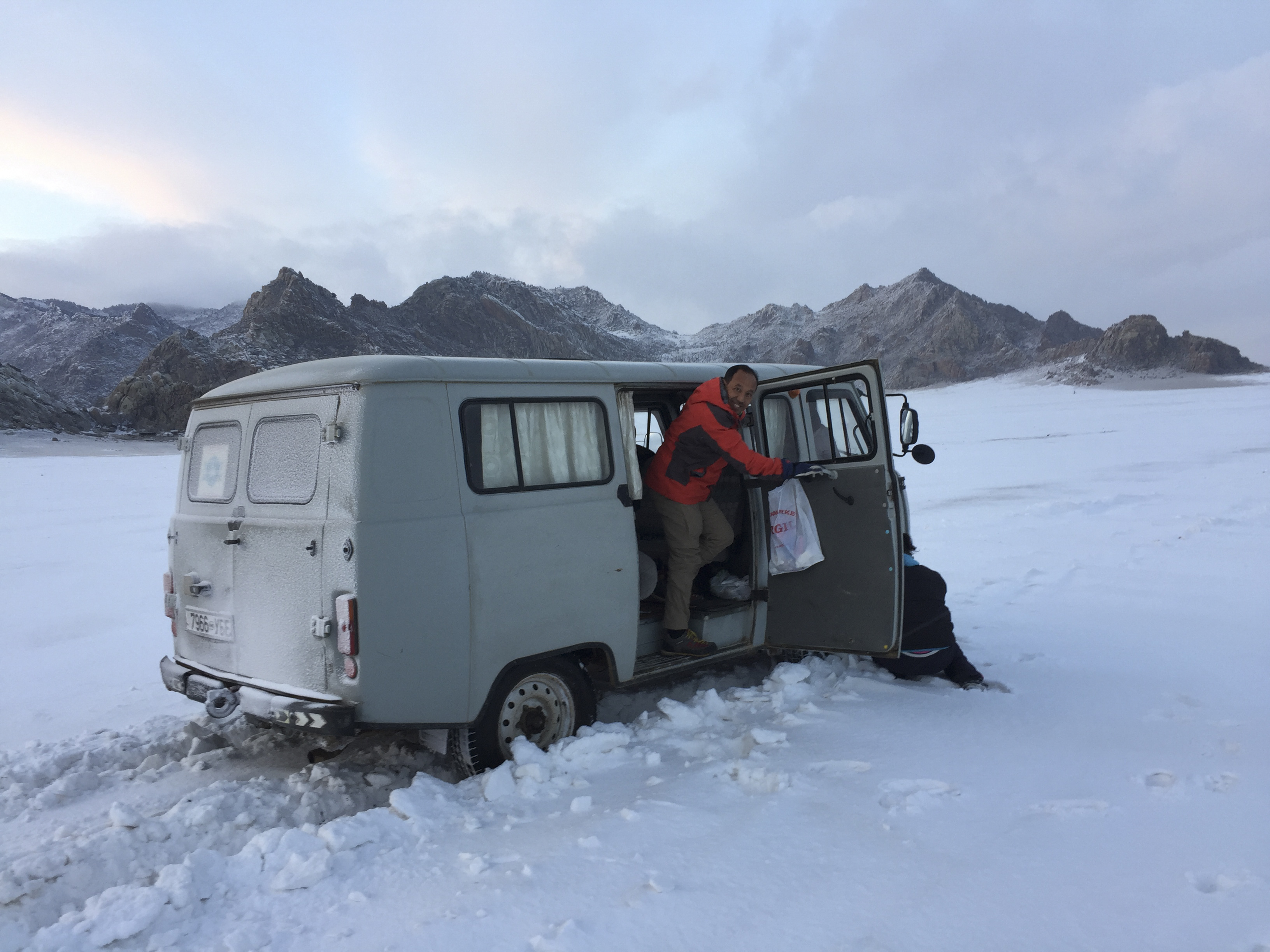
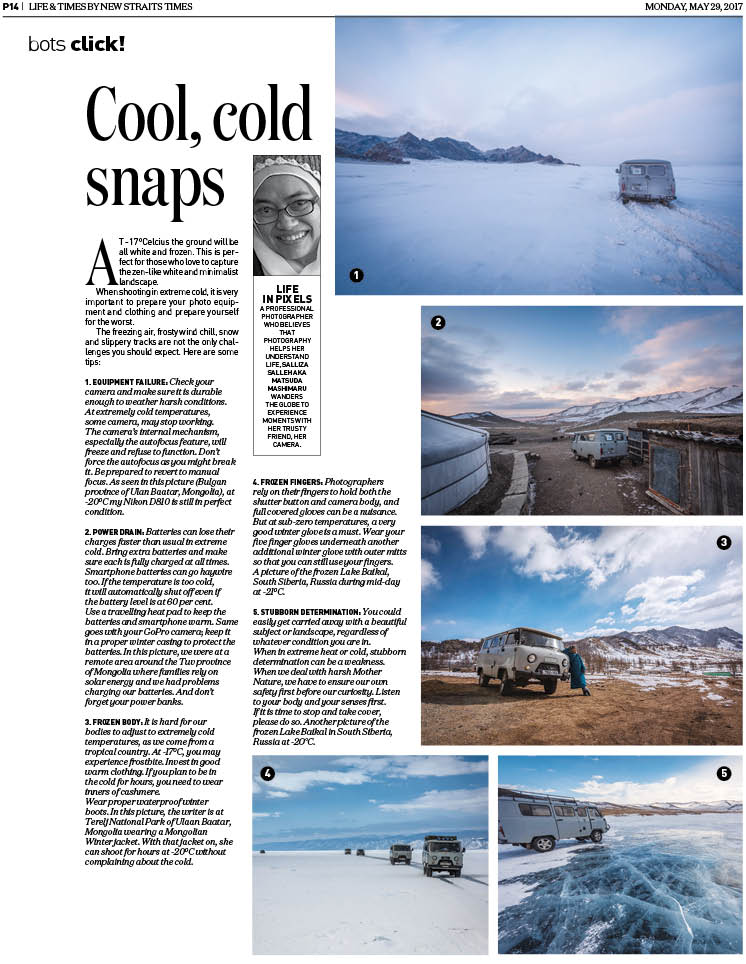
The freezing winter didn’t stop us from exploring. There was even a moment when we found ourselves lost in the middle of nowhere — an unfamiliar valley blanketed in thick snow that had completely hidden the trail (which was really just faint tyre marks across a vast plain). At that point, we surrendered entirely to Alma and our driver, Oyunna — trusting their instincts and experience to guide us through.
It was, without a doubt, one of the rawest adventures I’d ever had.
I’ll be sharing a few photos of the people we met along our eight-day journey through Ulaanbaatar and beyond. Looking back at these images reminds me of their warmth, their generous hospitality, and all the funny, heartwarming moments we shared while trying our best to blend in with their culture.
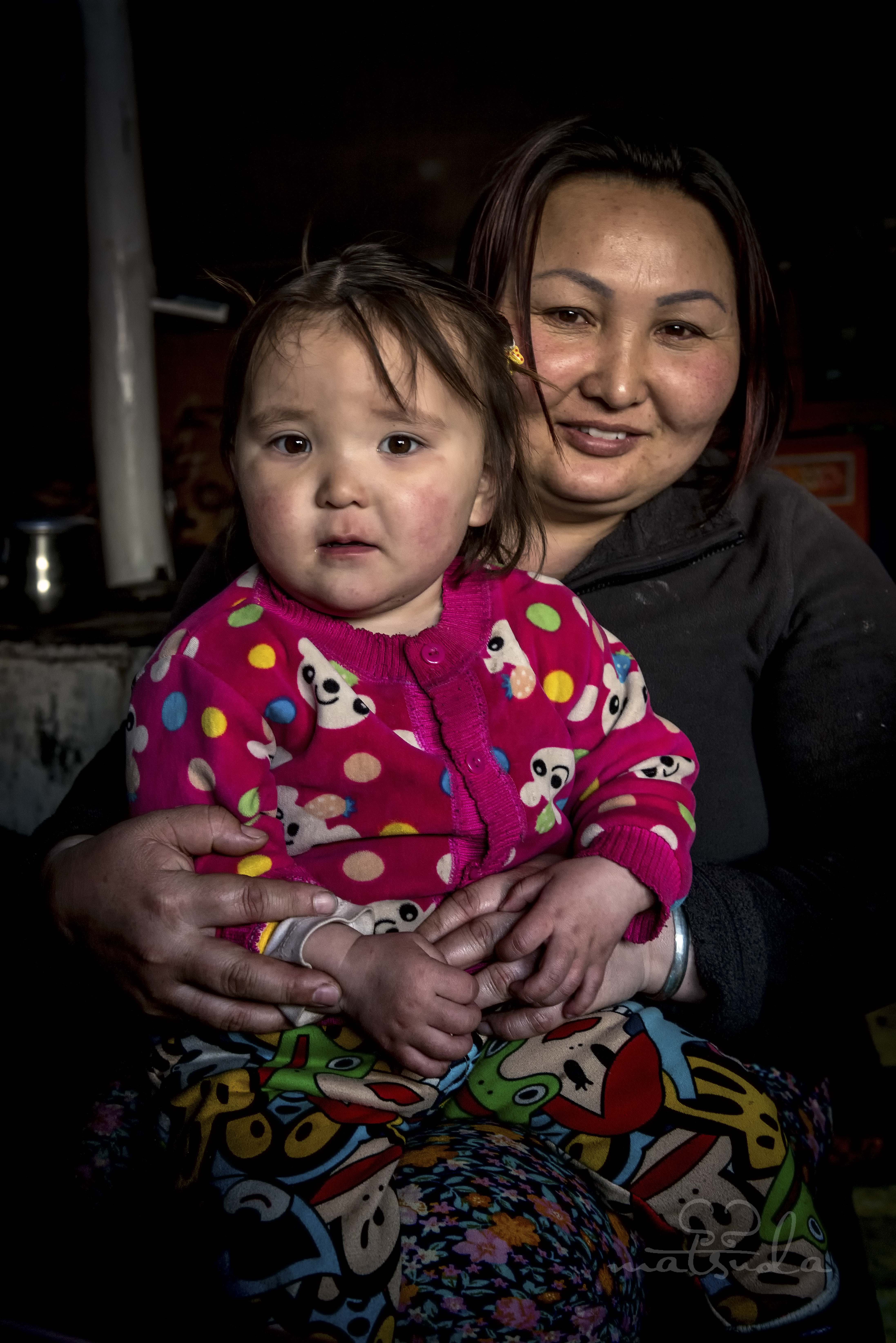

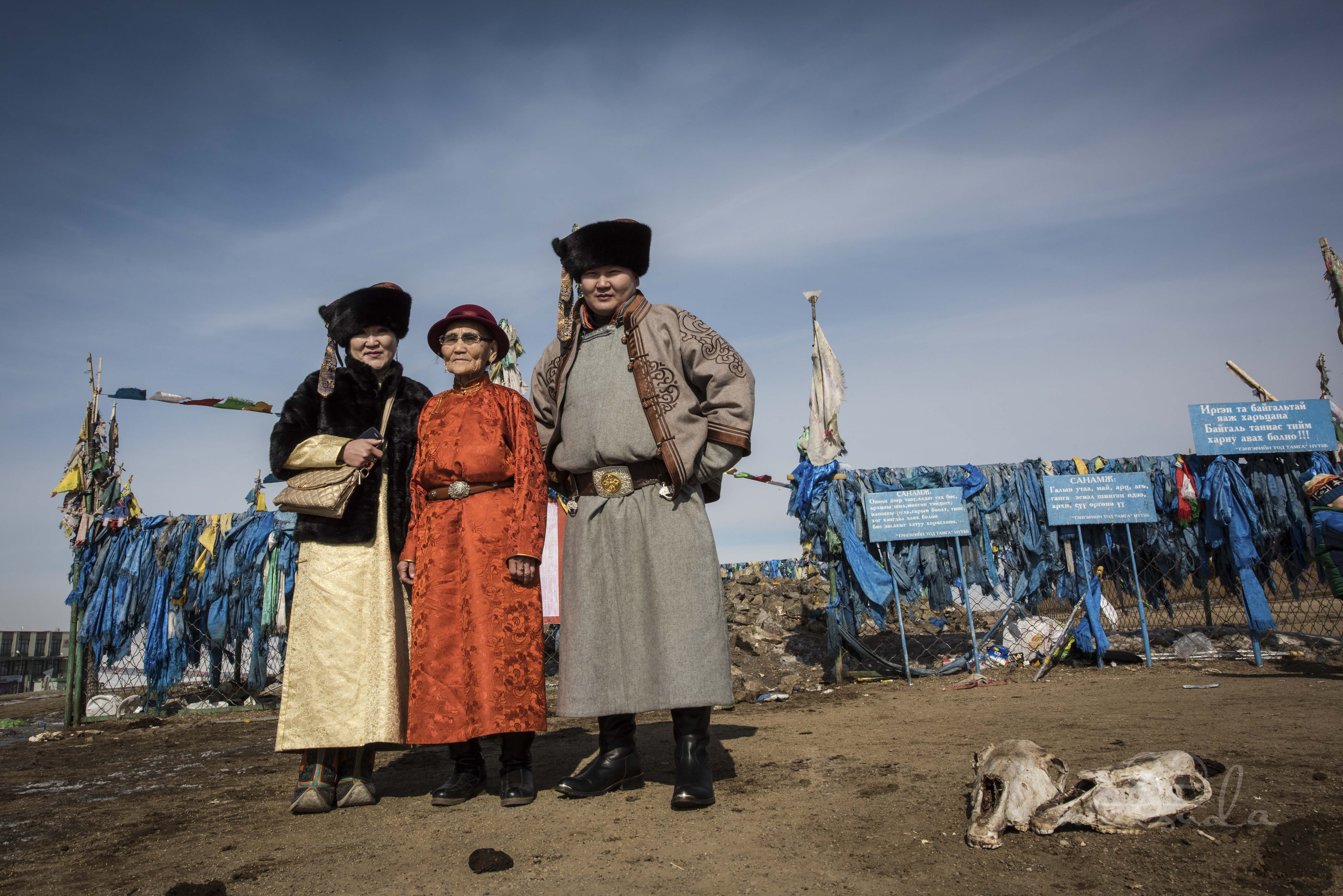
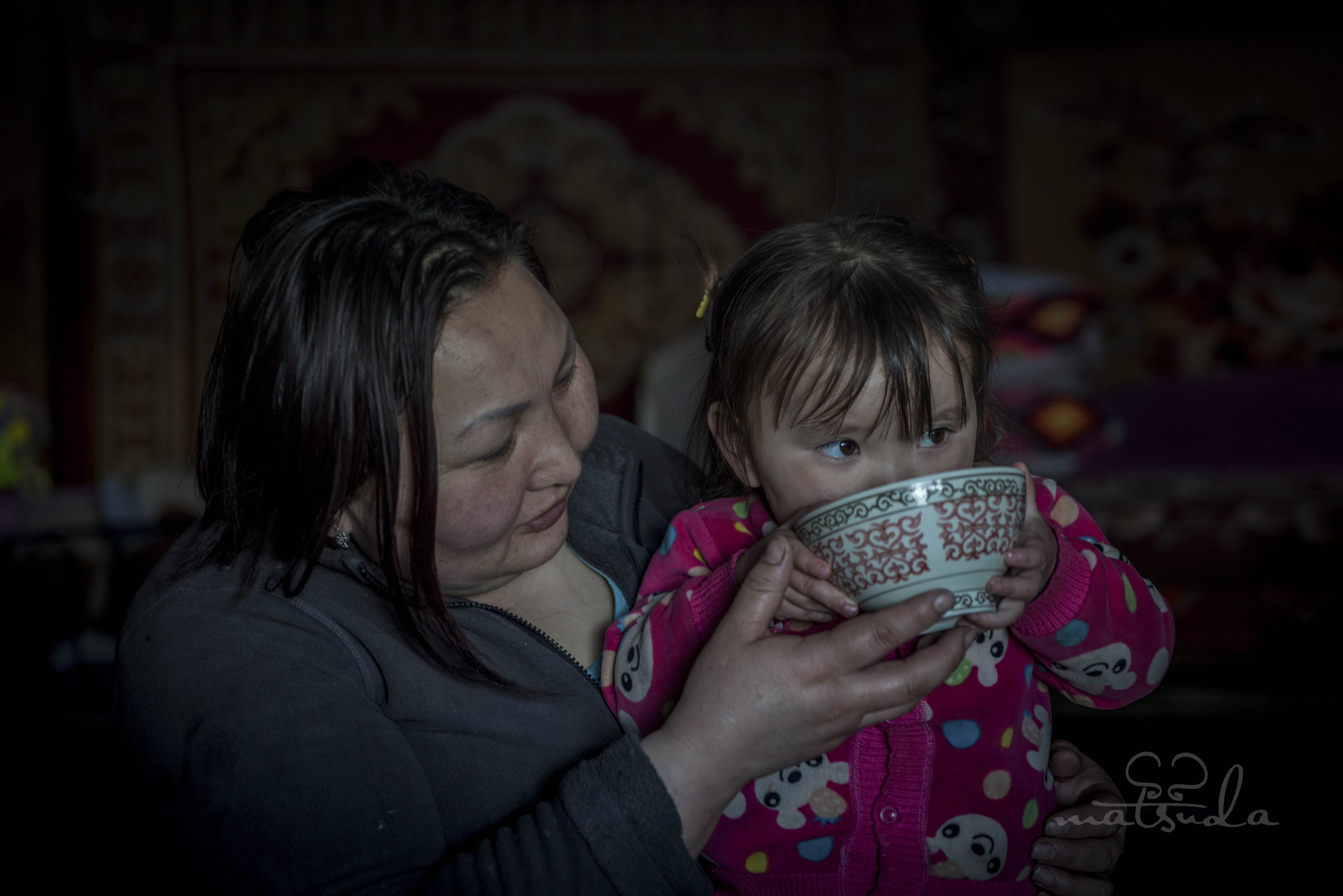
We spent two days at Janat’s home, a warm, welcoming Kazakh Mongolian family. Every morning and afternoon, we’d watch Janat and his son, Bota, tending to their herd. It was like a live documentary of nomadic life, except this time, we were inside the story.
The family treated us like one of their own. We even shared their daily meals and that’s where things got interesting. I had my first taste of steamed horse meat and, unknowingly, chewed on steamed cow testicle like a pro (only found out after I swallowed it… classic me). Honestly, I’m not picky when it comes to food. As long as it’s halal and edible, I’m good to go. If no one had told me it was horse meat or a cow testicle, I probably wouldn’t have noticed anyway. Meat tastes like meat to me. First time for everything, right? He he he.
Living in a minimalist home, a ger, was kinda cool too… except for one thing. The toilet was sooo faaar aaawaayyy. Imagine this: winter temperature below -17℃, icy winds slapping your face, and your mind desperately negotiating with your bladder … “Nope, not now, please hold it in!” 😂. Let’s just say, I’ve collected quite a few hilarious toilet stories during this trip — but those are reserved for personal requests only!
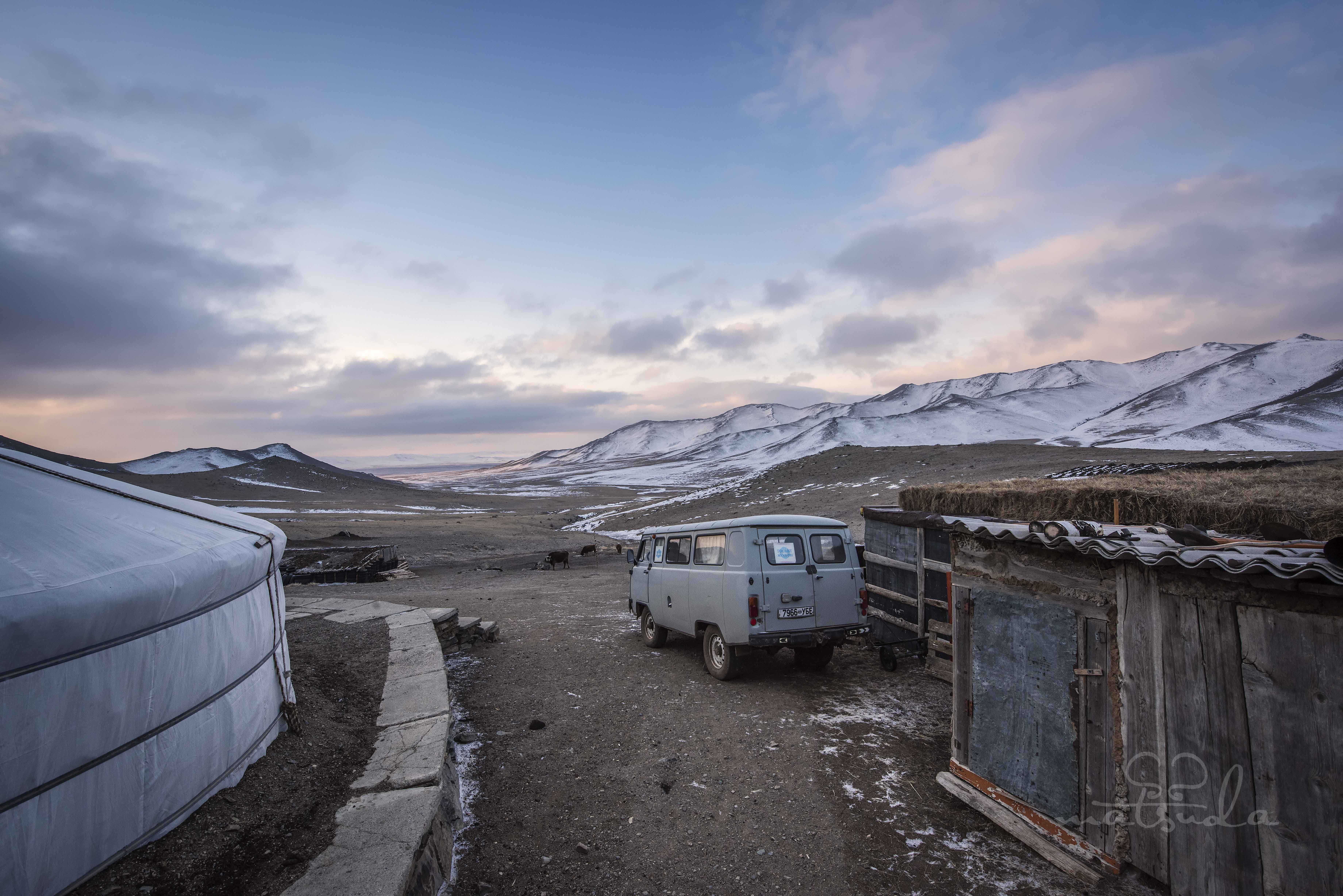
To reach Janat’s home, we had to travel for hours across a roadless plain, guided only by the mountains and our fearless driver’s gut instinct. To be honest with you, I completely lost track of where we were but that’s the charm of Mongolia. Getting lost is part of the adventure.
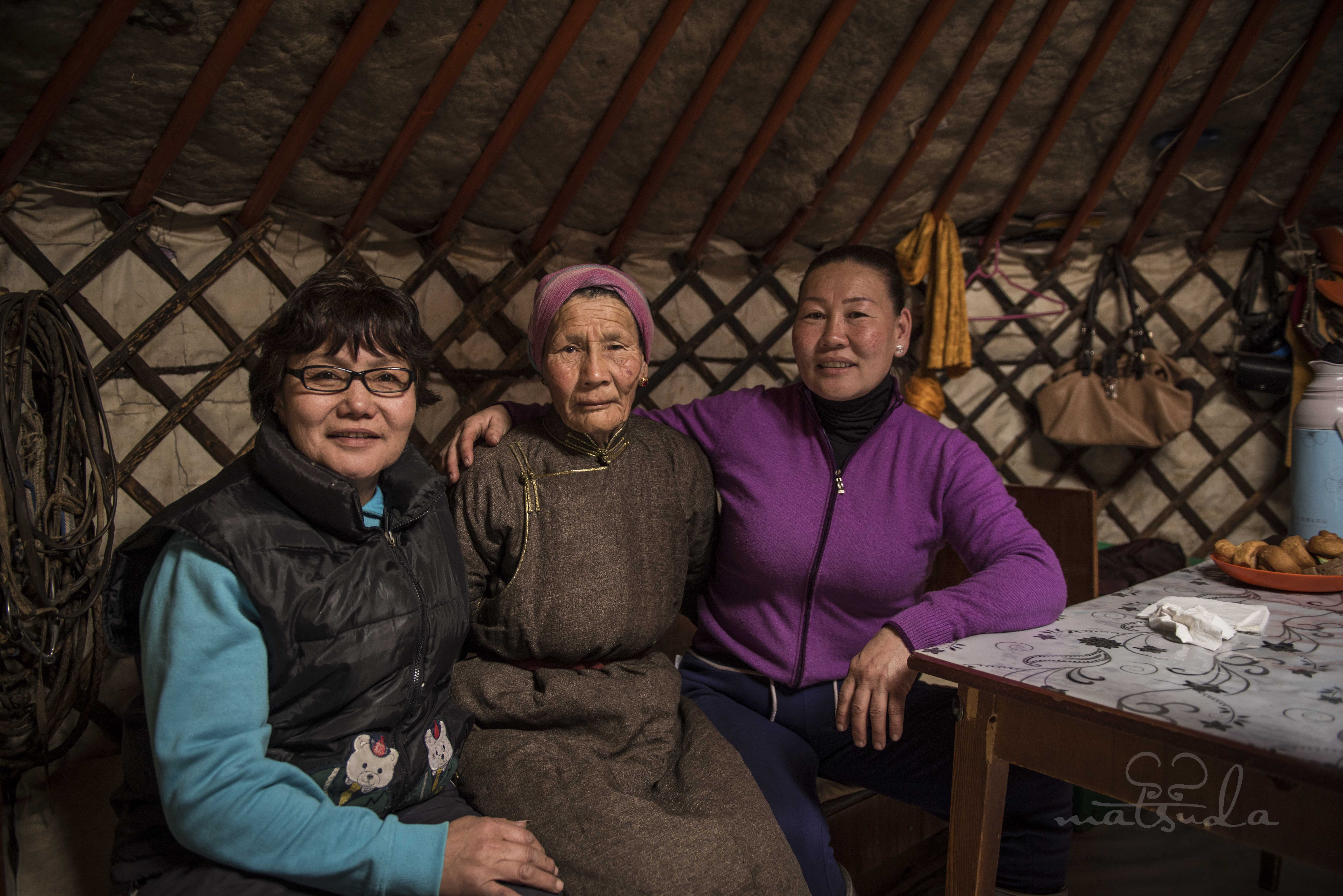
Then there was Grandma Dorjsuren.
We stayed for a night with Grandma Dorjsuren Dambiinyam and her hardworking daughter. To reach her place, we have to travel for hours wandering on a roadless plain … towards a certain mountain, he he he I also lost track of our whereabouts.
At first glance, she looked like the strict, no-nonsense type — the kind who’d give you that look if you misbehaved. But when she hugged me, oh my… her warmth melted me right away. I liked her instantly. Actually, I think my soul liked her even more. Their gers were tucked behind a small hill, but even that couldn’t protect us from the freezing wind that shook our tent all night long.
Still, I told myself — I’m tough, like a nail stuck in a wall! 💪

We also spent a night with Grandpa Bor (in his 80s) and Grandma Yandag (in her 70s). Don’t be fooled by his sweet, innocent face — this grandpa is full of jokes and cheeky charm! Fun fact: he and his wife once appeared in a fashion magazine as models for Mongolia’s tourism campaign. Talk about a power couple!
The journey to their valley was wild. Thick snow, white plains, and absolutely no sign of a road. Honestly, I still don’t know how our guide managed to drive us there. GPS? Gut feeling? Pure magic, maybe!
Grandpa proudly told me that he once owned over a thousand goats and sheep before sharing them with his children. Their livestock is seriously tough; they can survive temperatures as low as -17°C! Totally different breed from our pampered tropical goats back home.
When I showed him photos of goats from my country — Jamnapari, Boer, and Saanen — he burst into laughter. He couldn’t get over the fact that our goats have such long ears and are bald with no fur! Despite the language barrier, Grandpa Bor was a natural comedian. His jokes were so weirdly funny that I often needed a full five minutes just to understand them. But one thing was clear — I could feel his sincerity through every laugh.

Hmmm… observing their nomadic lifestyle and listening to their stories about moving from one place to another made me reflect on what resilience truly means, the quiet strength to adapt and flow with life’s unpredictability.
To live in rhythm with nature, to follow the seasons, to build and rebuild a home wherever the land welcomes you, what a profound lesson in letting go. Moving four times a year doesn’t make them restless; it makes them flexible, grounded, and alive.
And being a nomad doesn’t mean being cut off from the world. They are connected in their own beautiful way. Solar panels illuminate their gers and power their daily appliances, while their trucks transport them across the vast, open plains. They live simply, yet they live fully.
Perhaps that’s what I long to learn — to carry a nomadic spirit within my minimalist path. To travel lighter, not only in possessions but also in thoughts and emotions. To embrace change with grace, and to trust that wherever life leads, I’ll find my footing again.

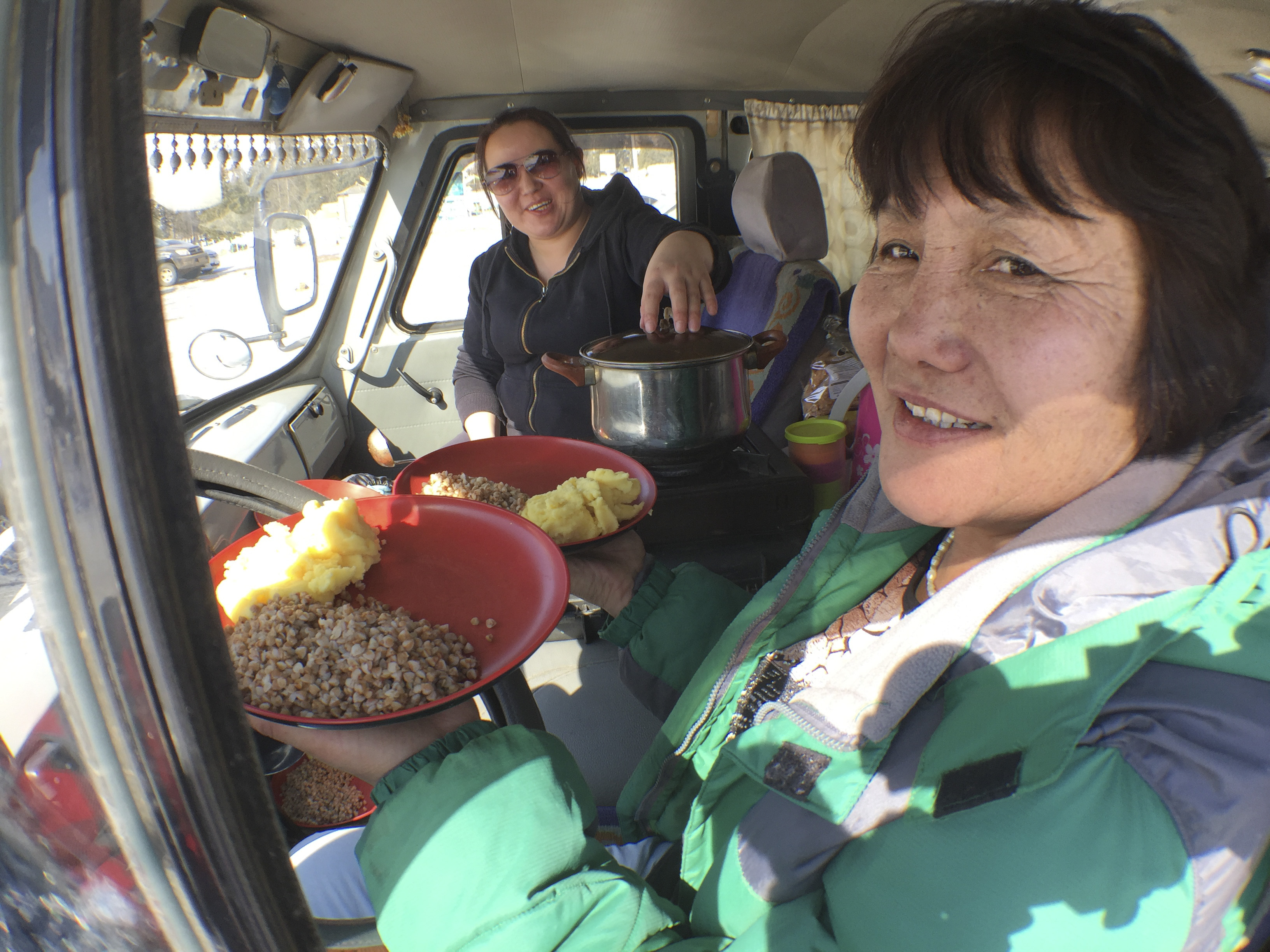
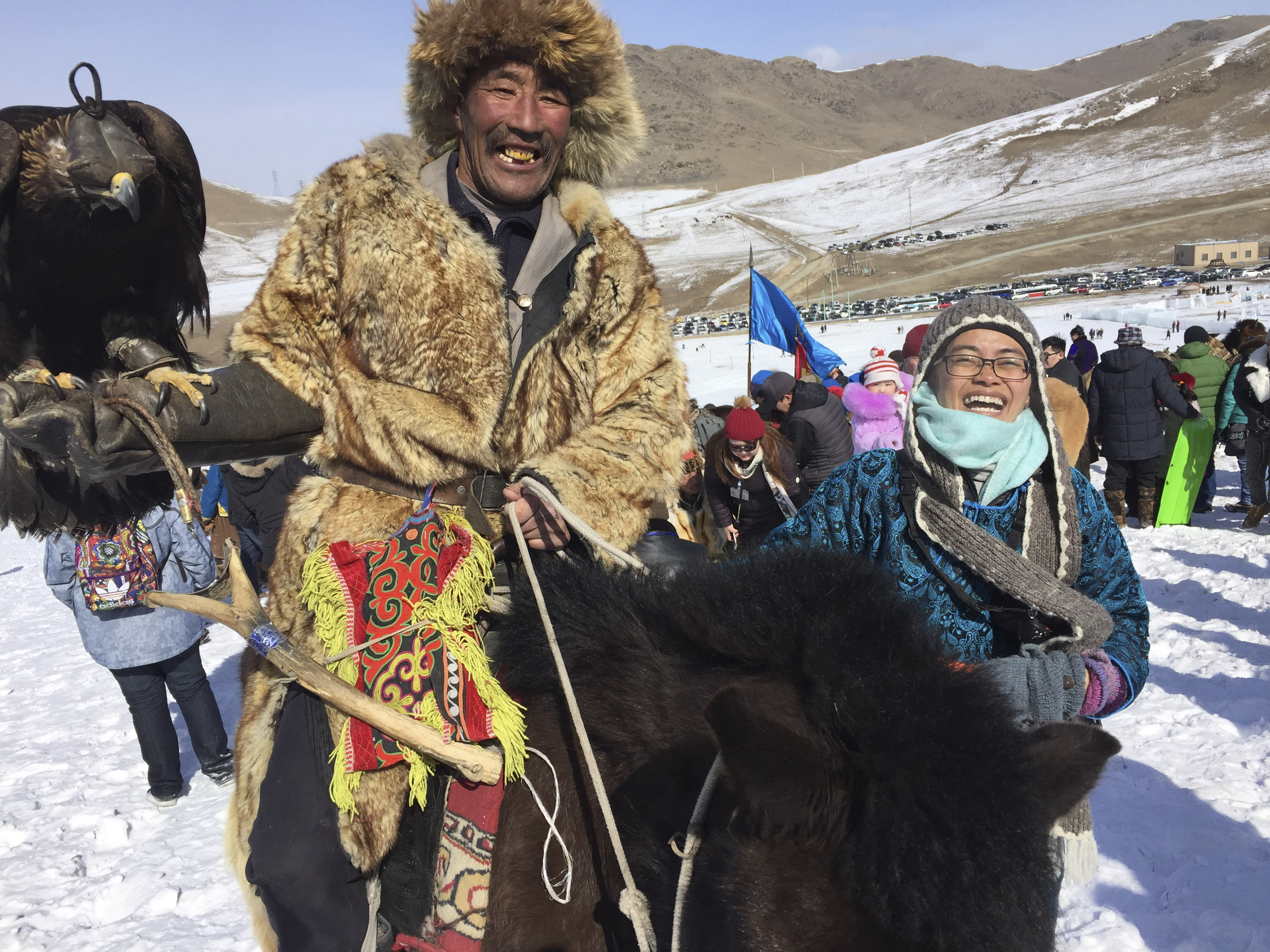
Looking back at these photos makes me long for more. More adventures that open my heart, and more quiet lessons that shape my minimalist soul. Mongolia reminded me that life doesn’t have to be filled to feel full. Sometimes, the less we hold on to, the more we can receive. The nomads I met taught me that home isn’t a fixed place; it’s a state of being. It’s in the wind, the laughter shared over simple meals, and the courage to keep moving forward, no matter how uncertain the road may be.
With that, I’ll see you at my next post.
Cheers,
MM
“My great hope is to laugh as much as I cry; to get my work done and try to love somebody and have the courage to accept the love in return” ~ Maya Angelou




 MATSUDA MASHIMARU