I found a new secret hideout in Kuala Terengganu, Terengganu, Malaysia.
A simple, quiet and rusty place for an introvert soul, like mine … or let me rephrase it again, an OLD and worn out soul like mine. Lol … Selfish me, everything has to be like mine … mine all mine, no sharing and I do not want to share my soulmate either (if I ever have any) … gth! mental … oh yes!
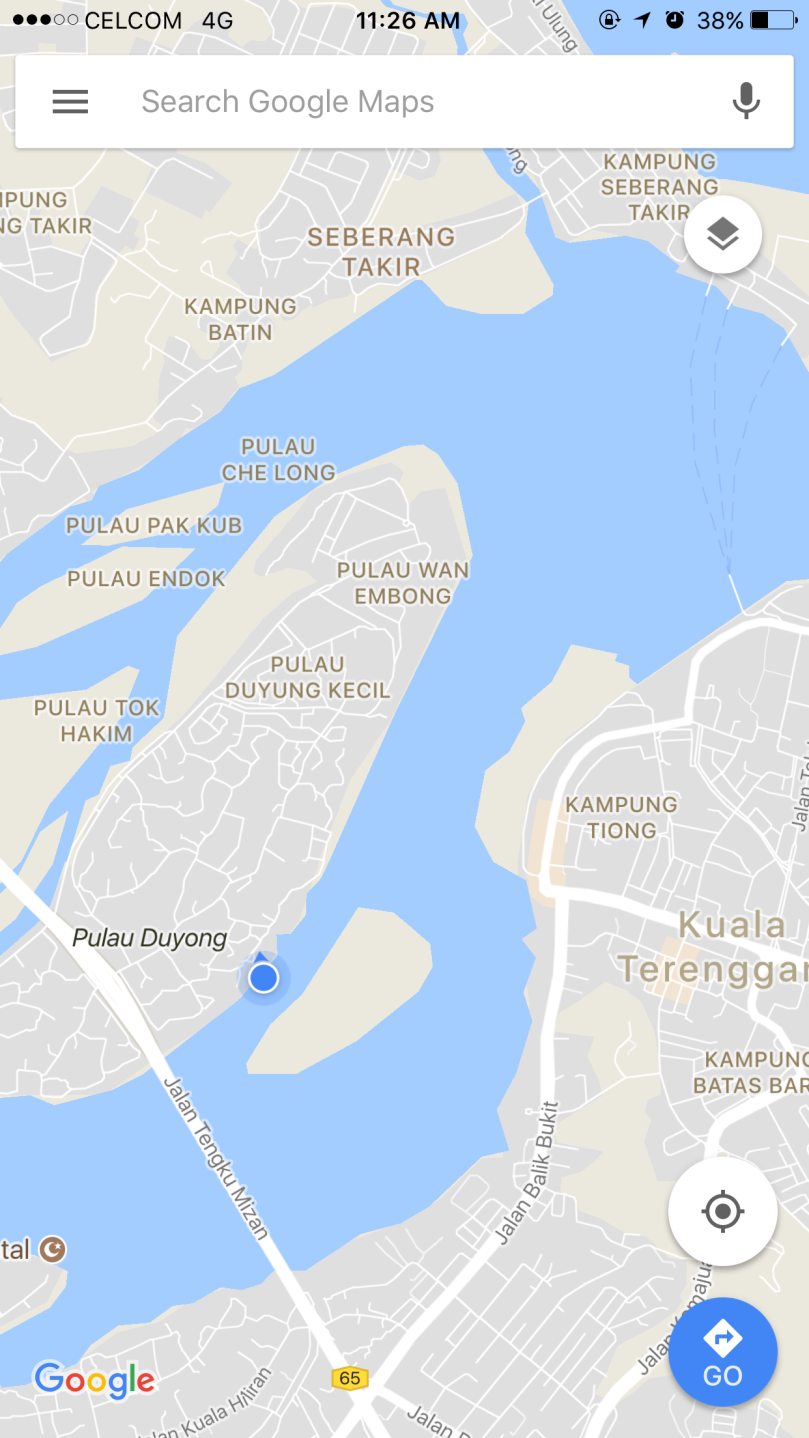
Pak Awi’s Yellow House located at Pulau Duyung, Kuala Terengganu
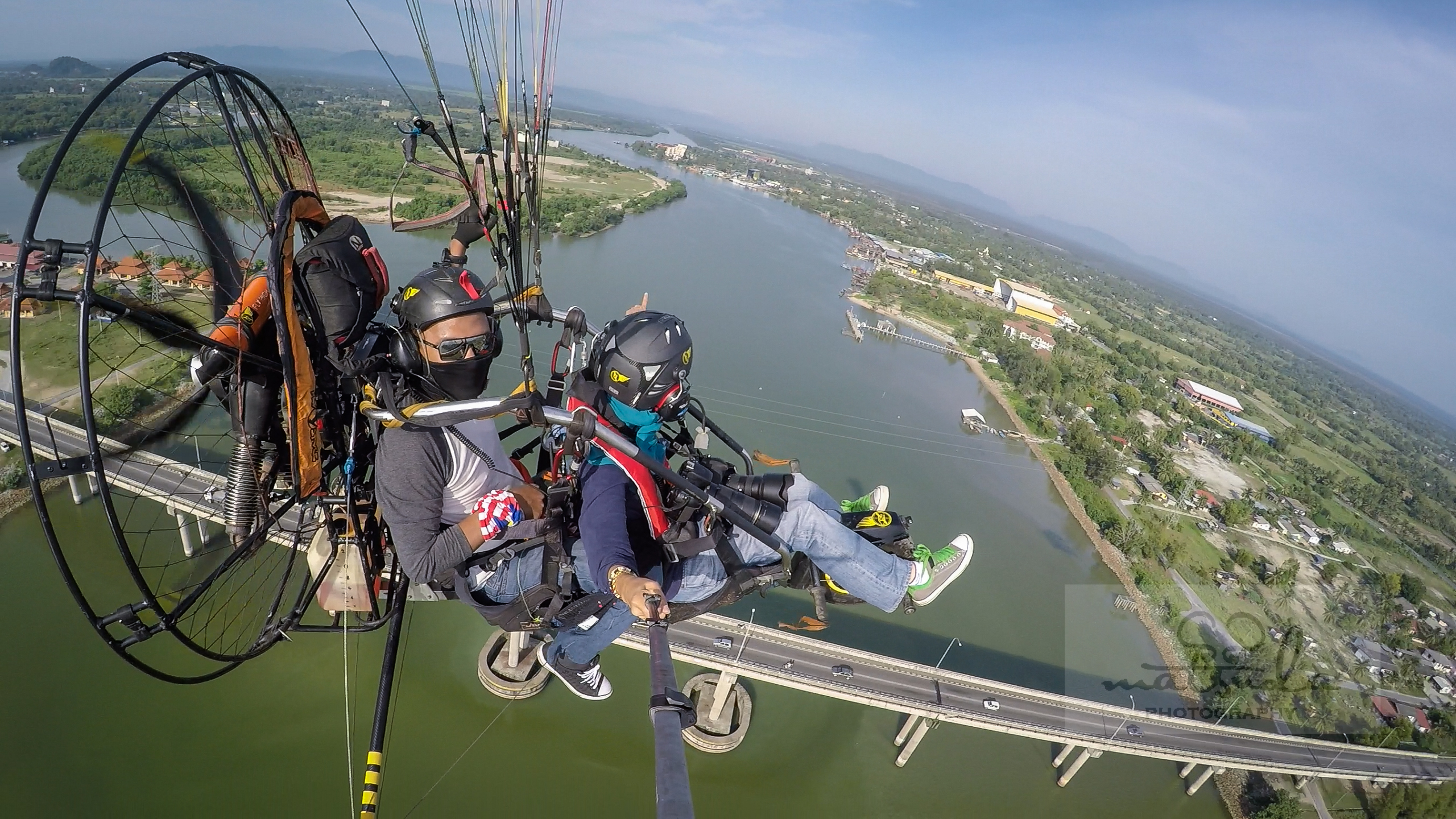
Kuala Terengganu has a few small islands in-between the mainland and Pulau Duyung (Duyung Island) is the largest island. I flew over the islands during a paramotor event last 2 years. Never occurred to me that there are interesting stories to explore down there on the islands.
Well … Pak Awi didn’t pay me anything to promote his place so don’t get me wrong. I just love the place.
I found a new hidden place that I could stay for a few days or even weeks without creating a big hole in my wallet. A cool and safe place to go home to after hours and hours wandering around Kuala Terengganu.
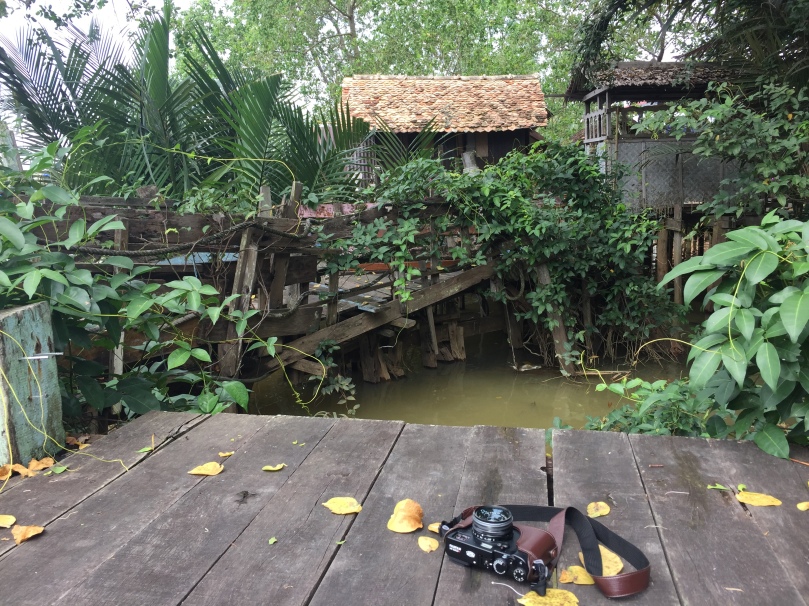
Lepaking at one of the bench
What would I do here in Kuala Terengganu? Hmmm … I am going for a story hunting and I myself not sure what is the outcome gonna look like, lol.
I plan to hang around with the makciks (mid-aged ladies) around the villages listening to them gossiping he he he and the pakciks (middle-aged man) around the coffee shops or jetties reminiscing about life. Tengok berapa lama boleh tahan … the rest is a secret.
A few more photos of my new found hiding place before I end this post.
Surrounded by mangrove trees
So, you can here all kind of birds and insect sounds here
This antique …
the hangout hut
sleeping inside a mosquito net
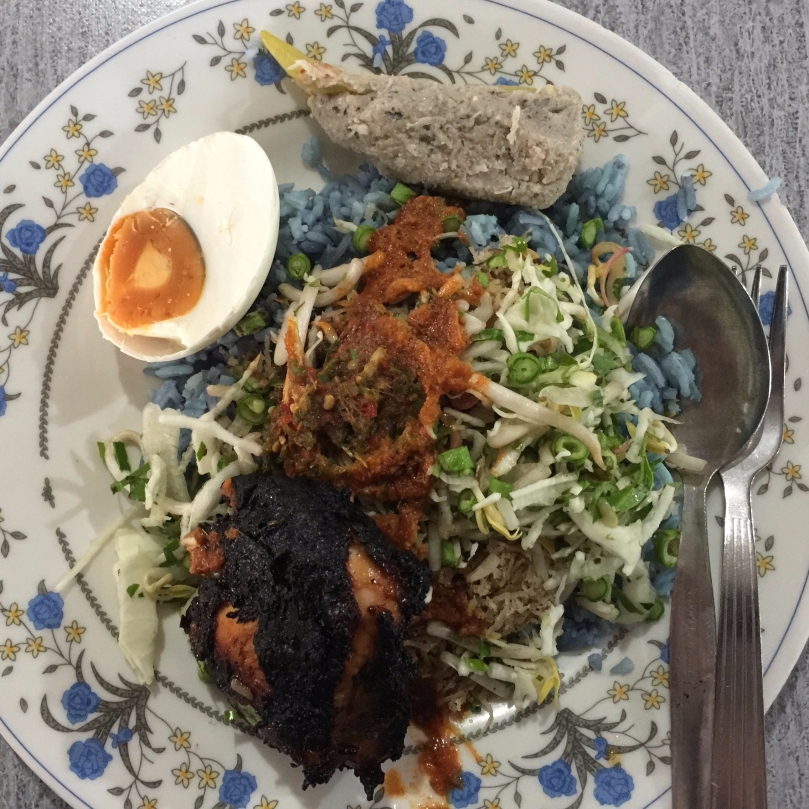
Last but not least … my all time favorite breakfast, Nasi Kerabu. A blue colored rice mixed with fresh vegetables, salted egg, stuffed green chili pepper, a piece of roasted chicken and sambal (chili paste). Wallah … am hungry now … gotta run.
Bye
Cheers,
MM
ps- sambil dengar lagu “kutuliskan kesedihan, semua tak bisa kau ungkapkan, dan kita kan bicara dengan hatiku” dan perut yang lapar
“There is a way that nature speaks, that land speaks. Most of the time we are simply not patient enough, quiet enough, to pay attention to the story.”
I have been home bound for months now. My last trip outside Malaysia was to Mongolia and Lake Baikal, Russia in March early this year. I am still not sure where is my next destination yet. I am ok with just anything …
Yeah … I do miss my traveling moment for sure.
The quietness, the feeling of being lost, the discovering, the learning and breathing the air of strangers land but I do believe in not exaggerating or over indulging upon something. Maybe because I get bored easily, too much of anything could kill my interest.
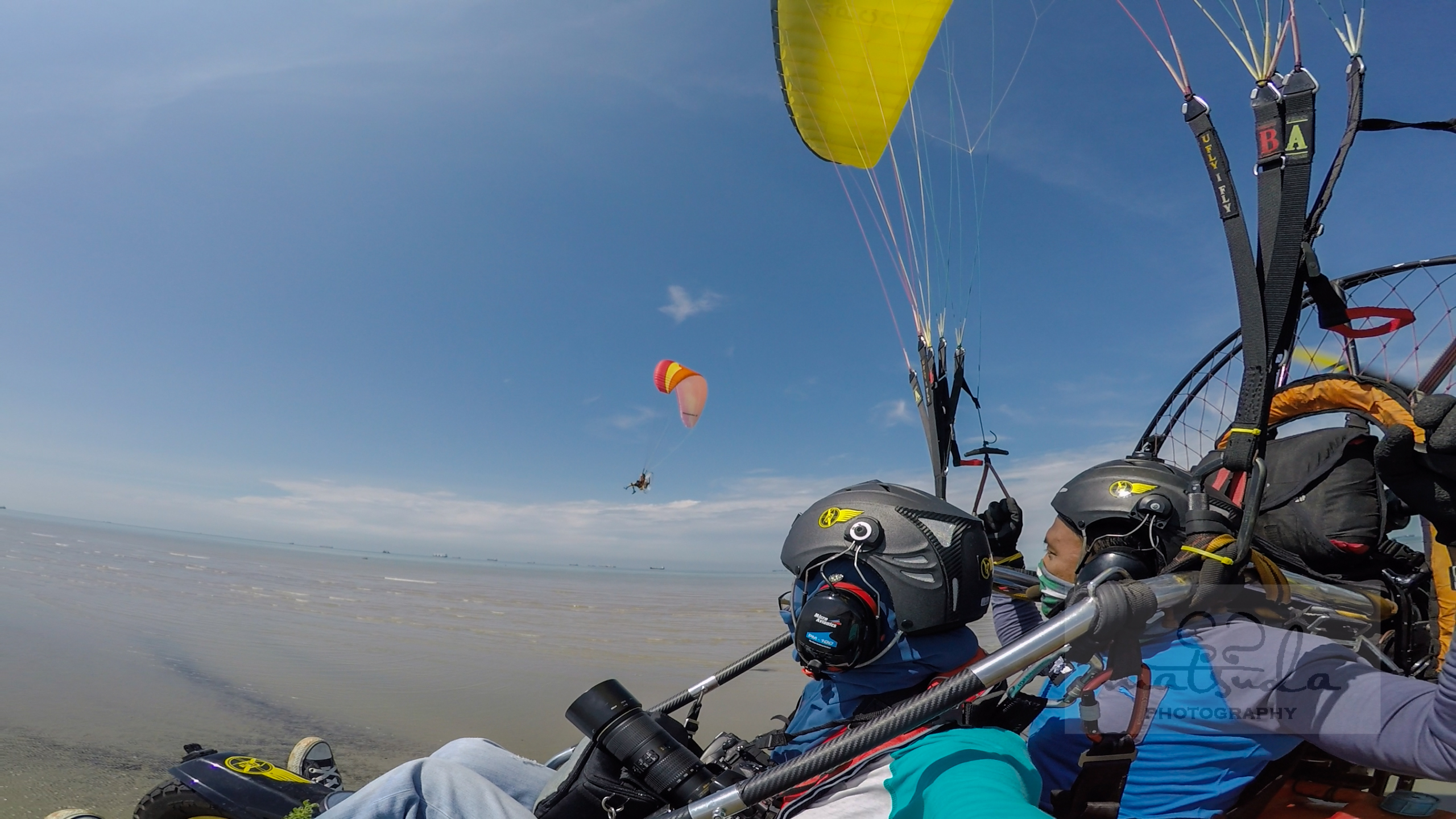
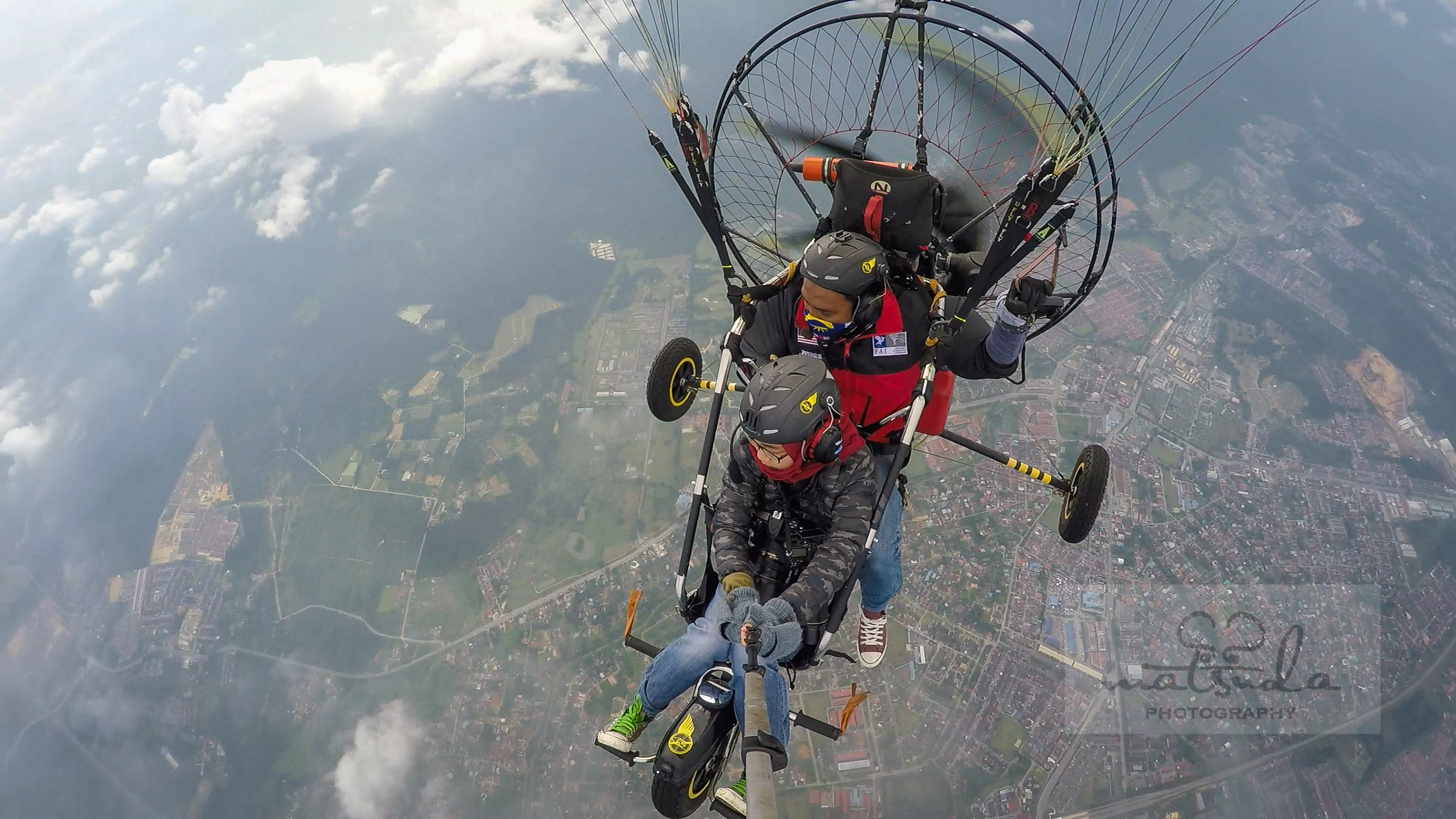
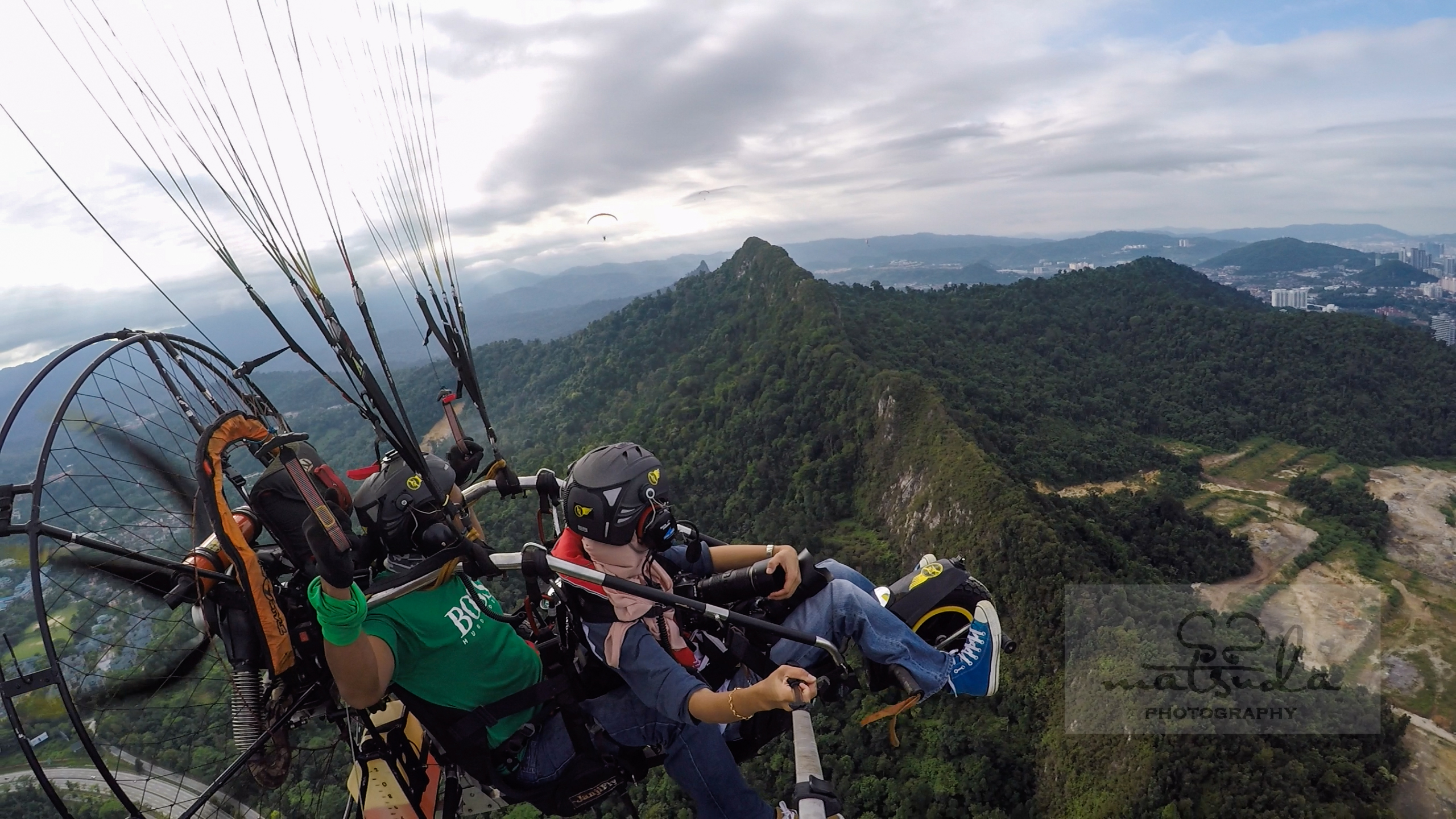
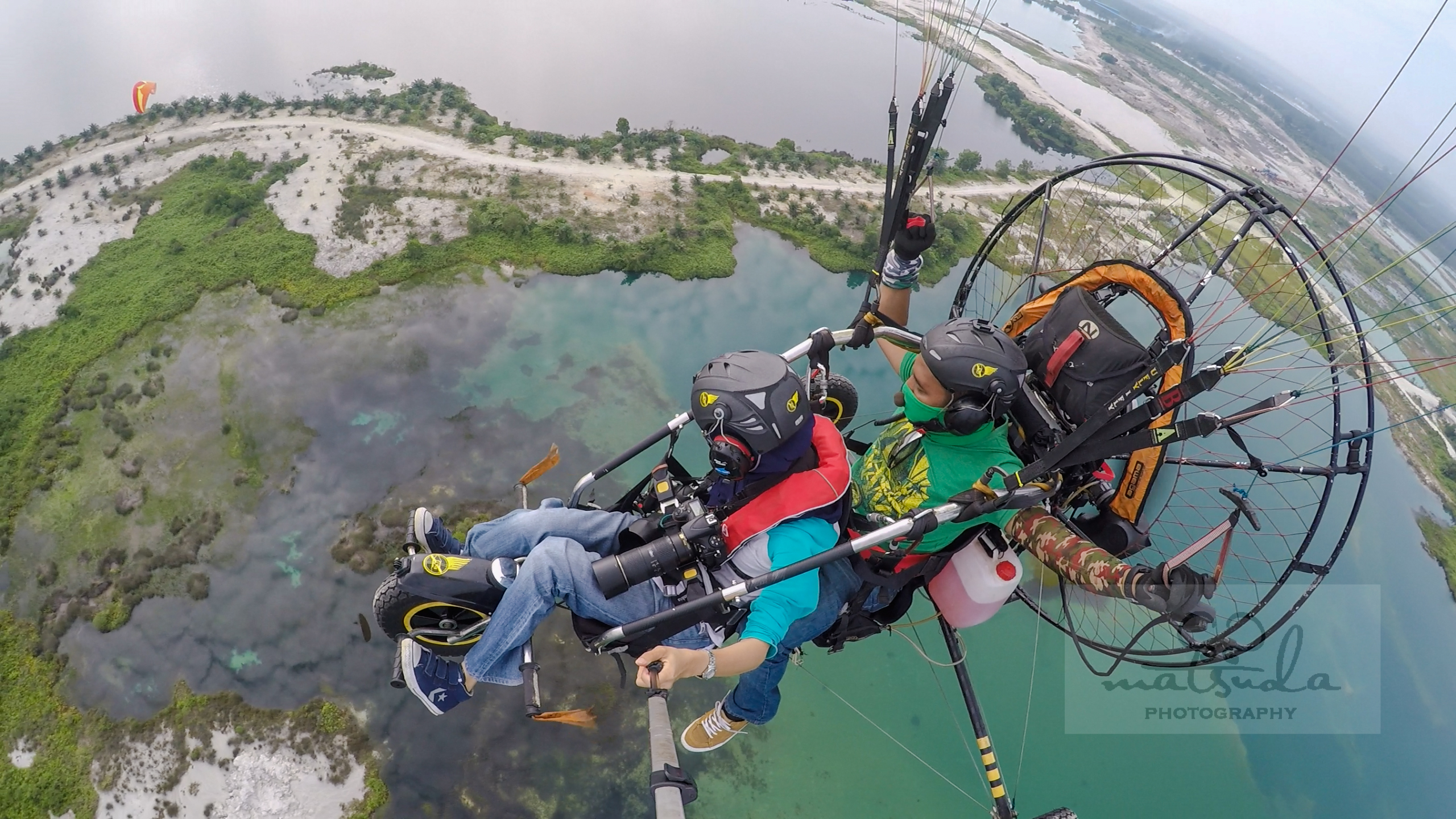
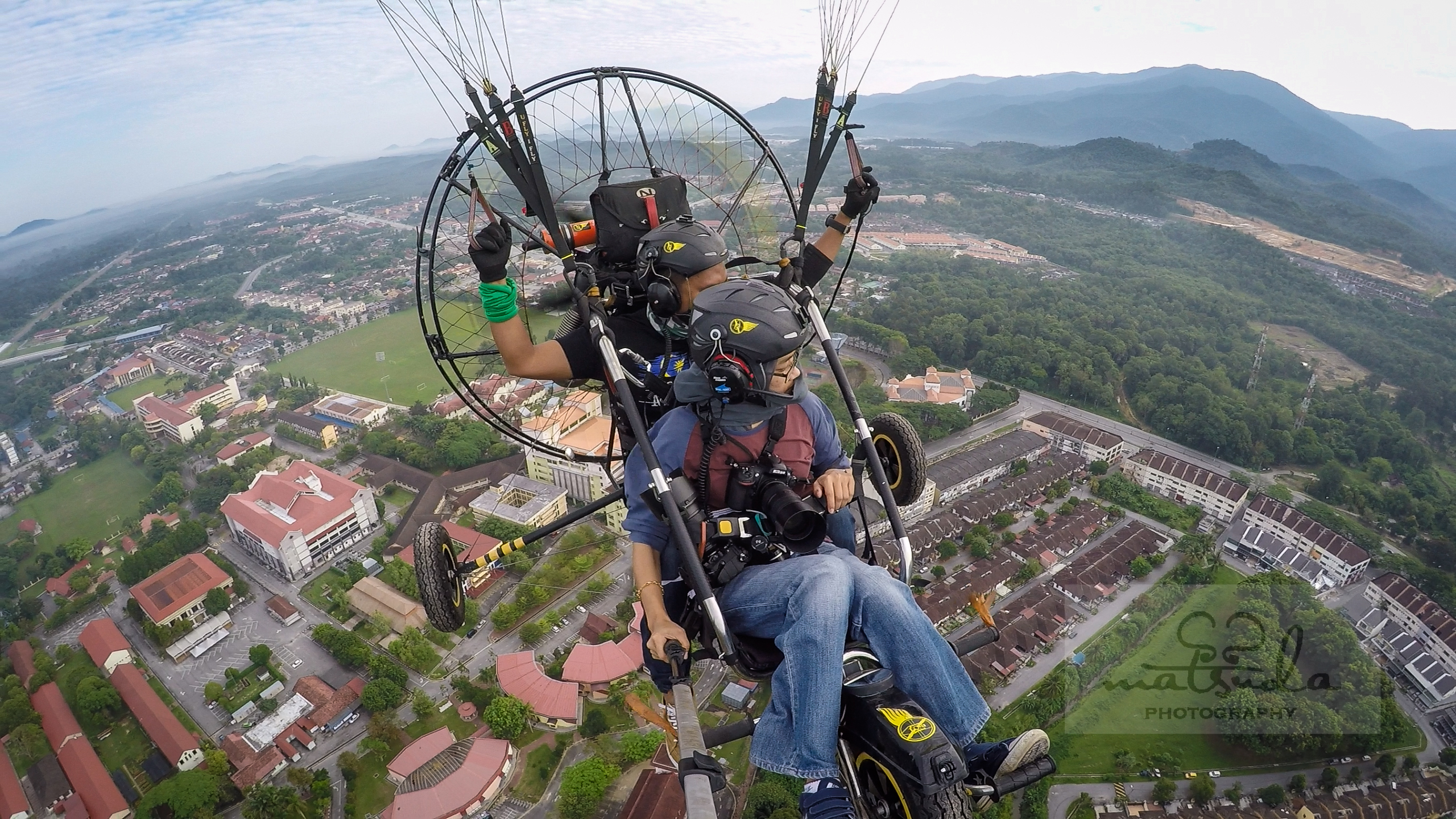
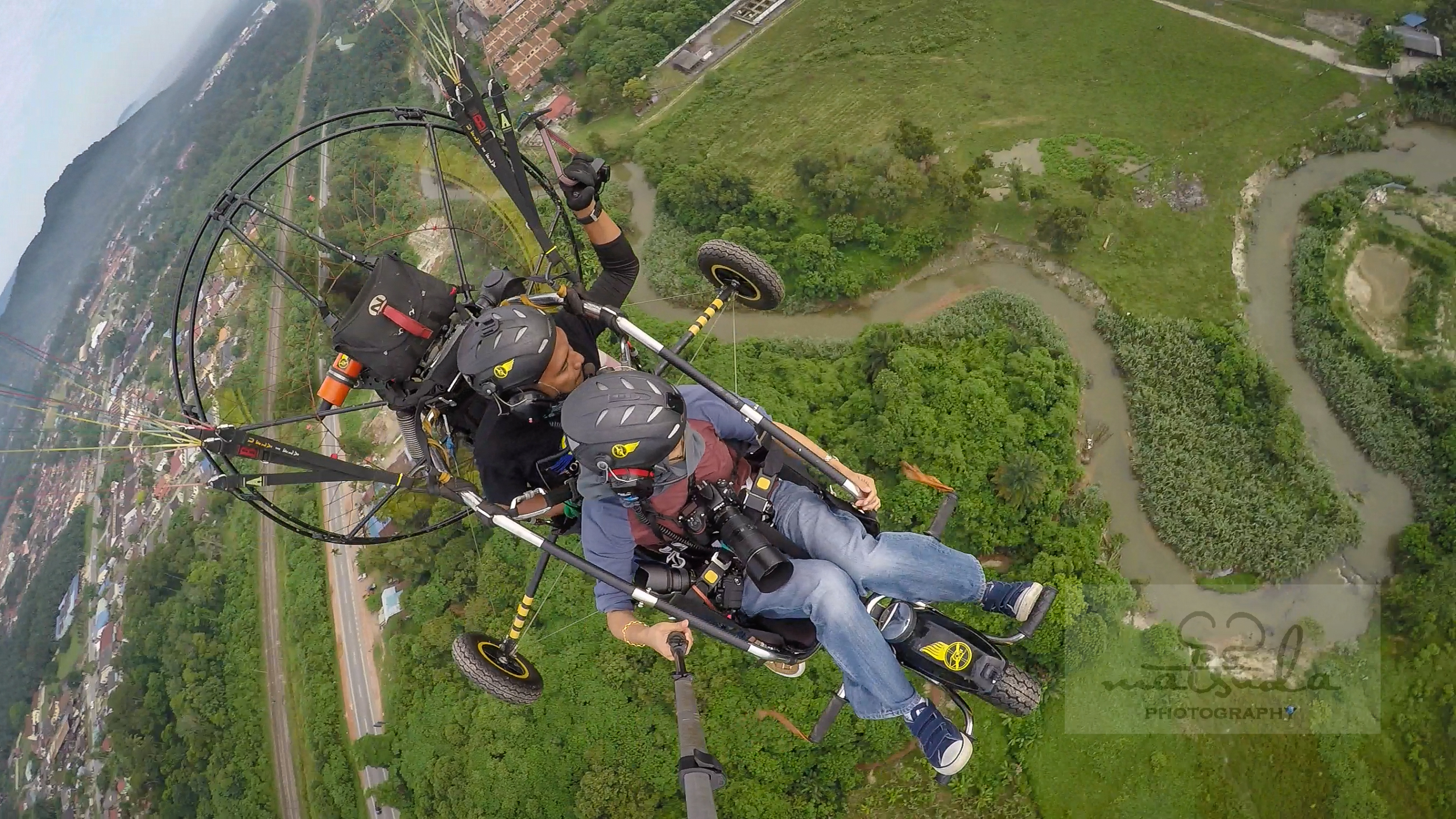
Well … I was not basically just sitting at home for this past few months. That travel addiction still stings me badly and I have a ‘secret’ way to sooth it down before I turned mental. I tagged along with my other adventurous soul group … my paramotor friends of course.
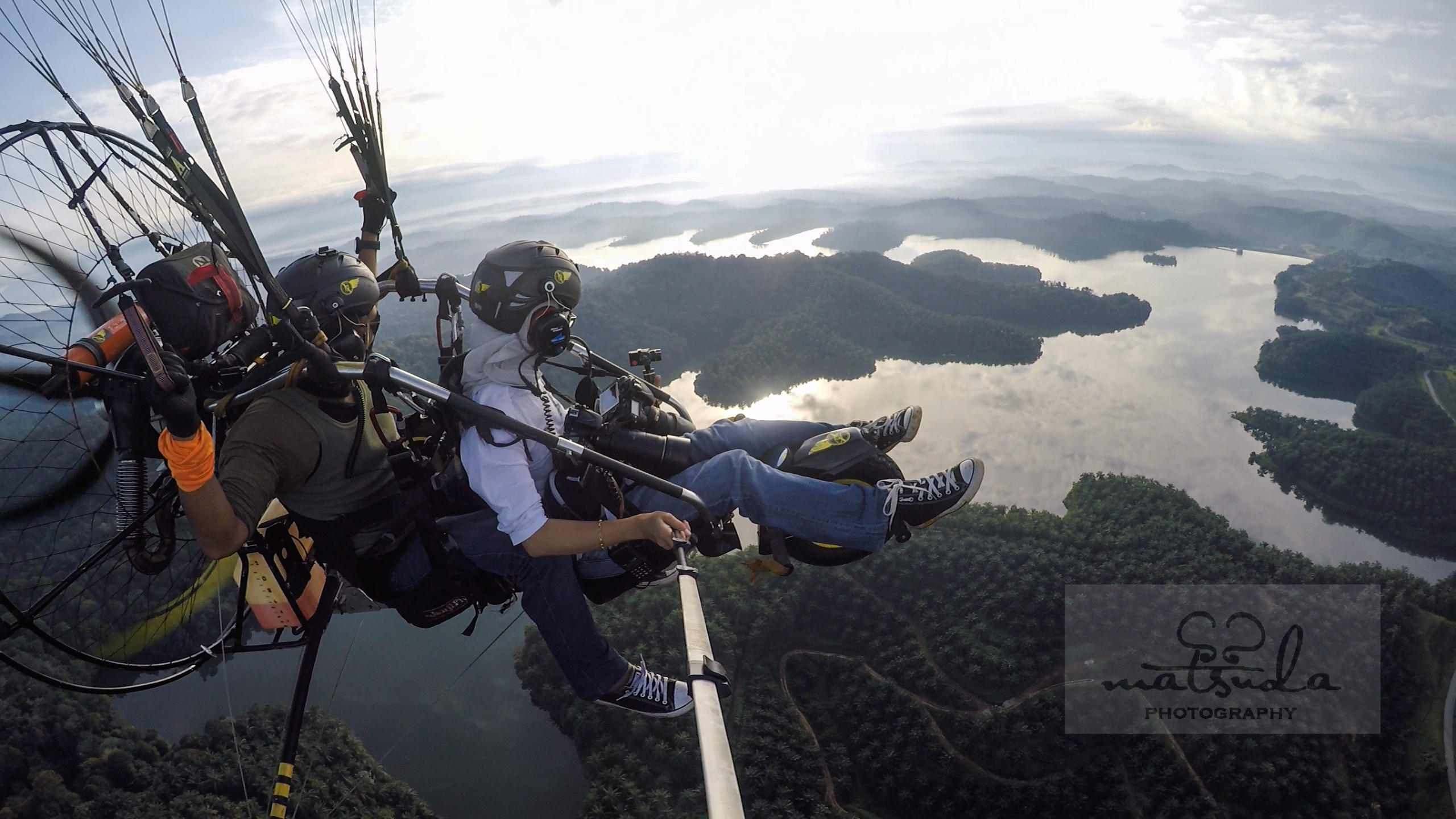
At Kuala Selangor … enjoying the morning light
Of late they are into cross-country flying aka XC flying with paramotors.
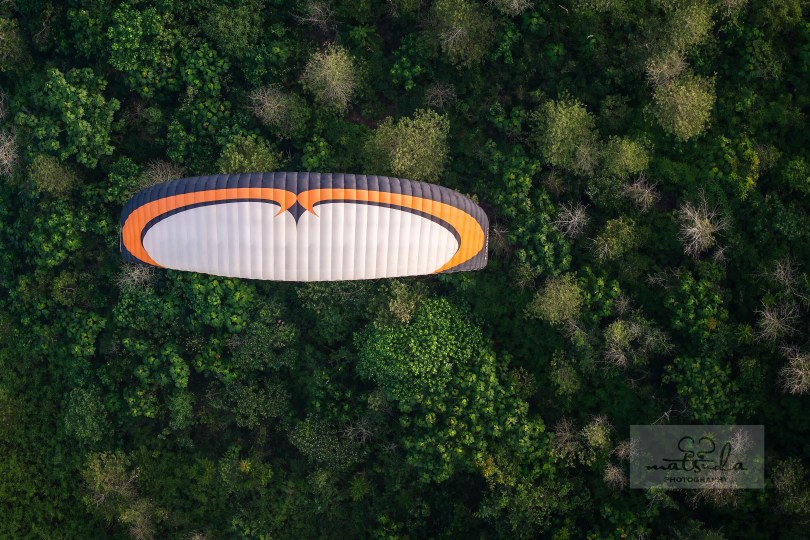
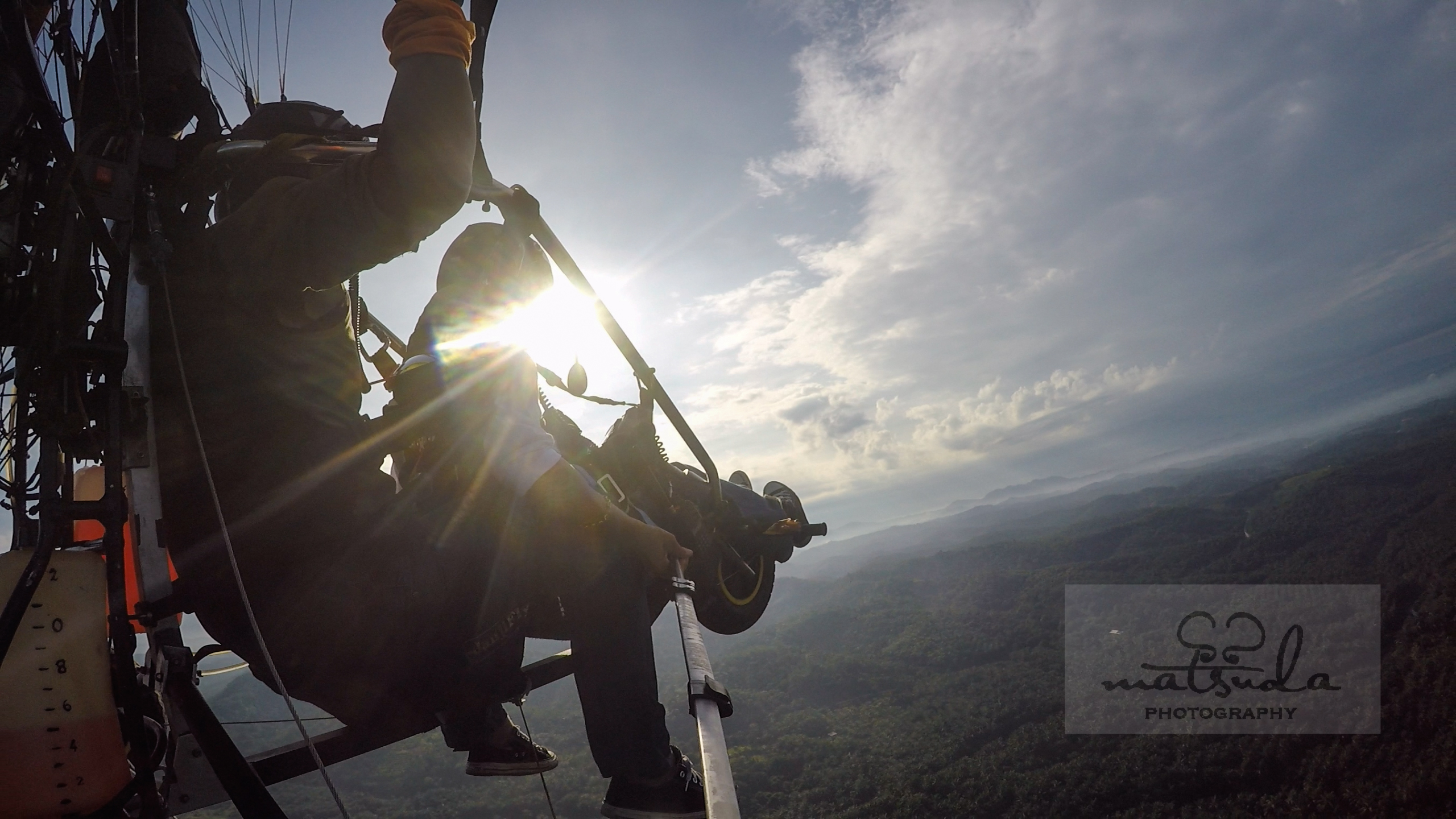
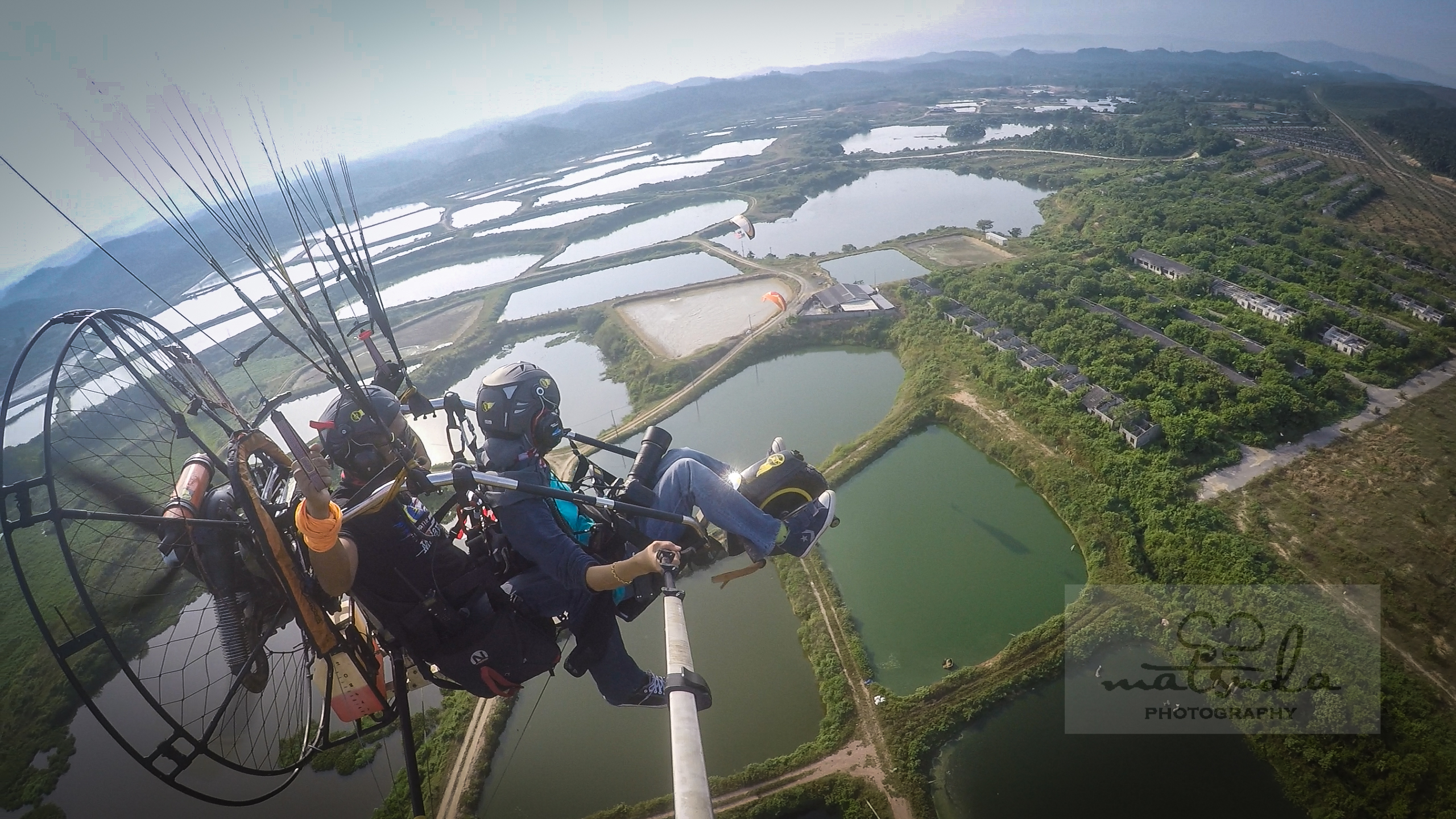
I didn’t expect to experience such a rich and raw exploration moments while hovering low in the airspace. The landscape from high above is dreamy and mesmerizing, the air smells differently … it felt as if I am physically not here in Malaysia but somewhere traveling across different continental within 1.5 to 2 hours of each flight.
We would be in a deep forest for 10 minutes, in urban cities in another few minutes, on acres of acres of orchard, on some mysterious island, in a blue looking lake and sometimes just hover around a small town around Antara Gapi for maybe 10 minutes.
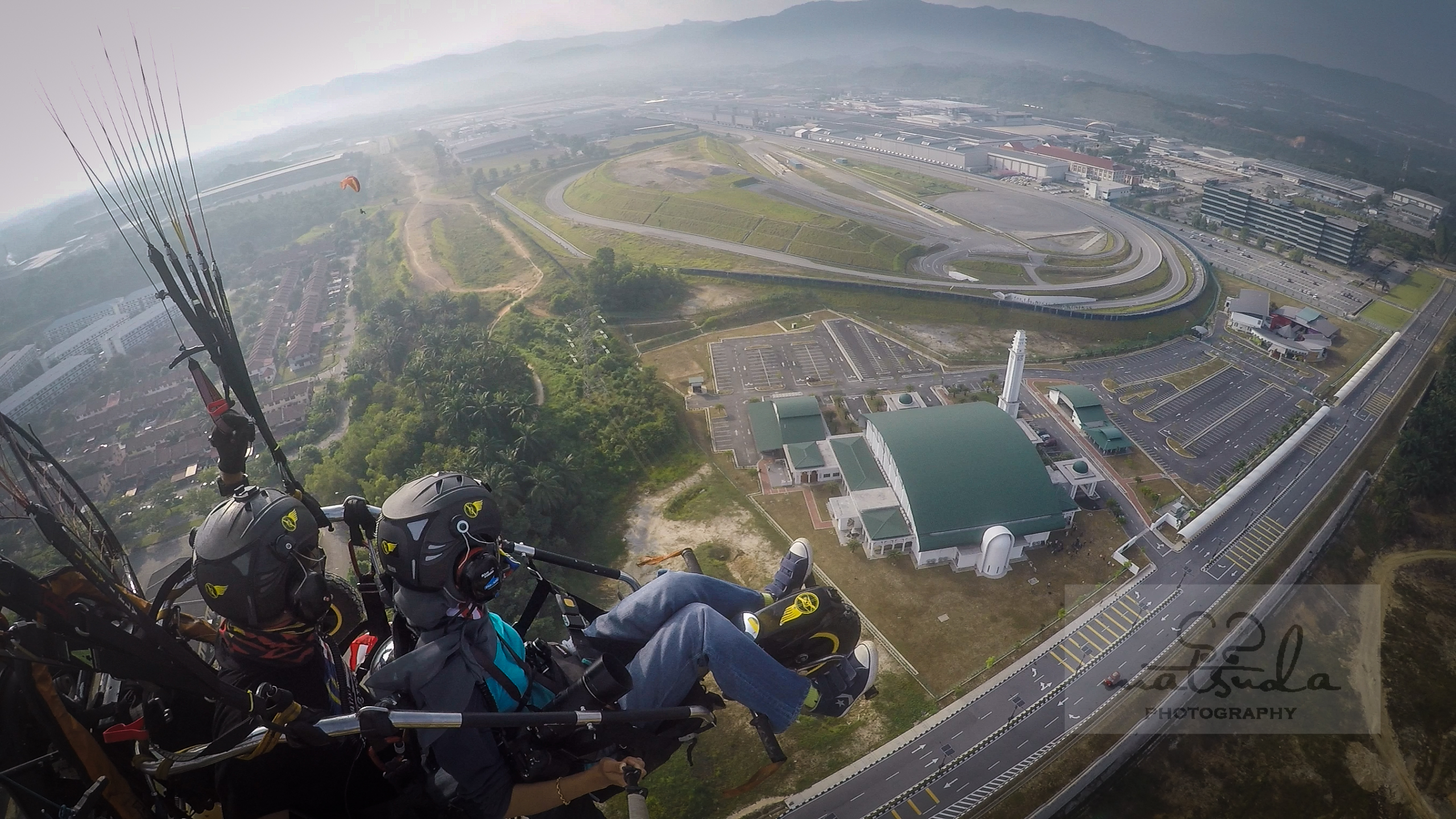
From Kundang to Bukit Beruntung, Kuala Selangor on 2017.07.23
We flew in a small group … most of the time with well-experienced pilots, around 4 to 7 of them. As usual … I would be in charge of capturing the moments of us, flying. We started very early in the morning before the morning light is out, took-off from our flying base around 7:00 to 7:30 am so that we could catch the early morning light from the horizon … morning light is always our favorite.
For me …. the best way to end a hectic week is not through snuggling on your bed for the whole morning on the weekend but to do all this lol … mental? Yes …
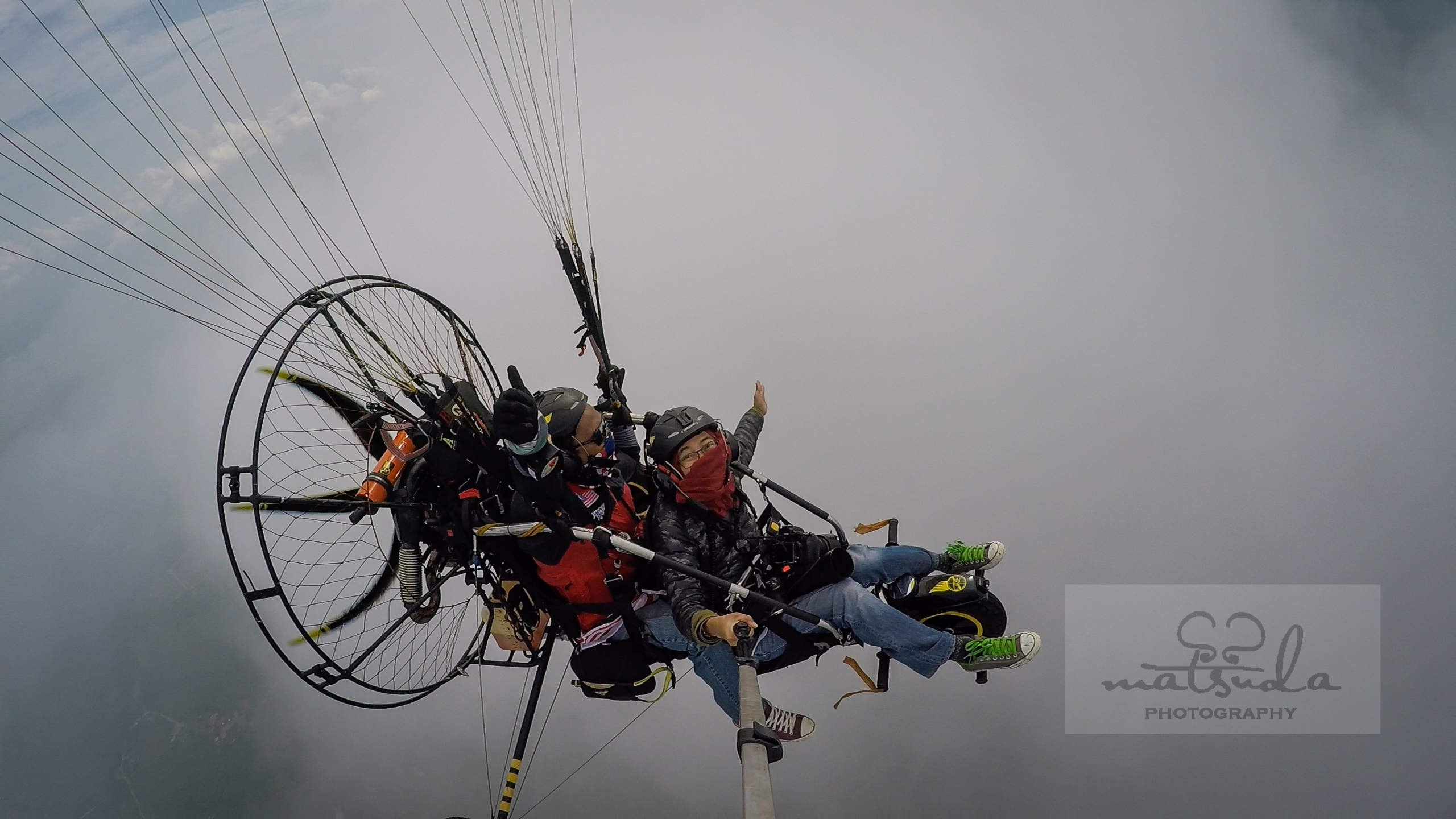
Inside a cloud at Tekah Airfield on 2017.04.15
Unlike paragliding, thermals are not our best friend. The wind tends to be calmer early in the morning and we would experience the heat around 10 am when the sun is fully out. The heat created thermal heat on the airspace and our wings would swing according to the heat flow which is not good (dangerous too) for flying low.
So, by 10 am we are expected to land safely at our starting takeoff base.
And yeah … sometimes we drove out of Kuala Lumpur to the east and west part of peninsular Malaysia with our engines and wings and join our local flying friends from those areas.
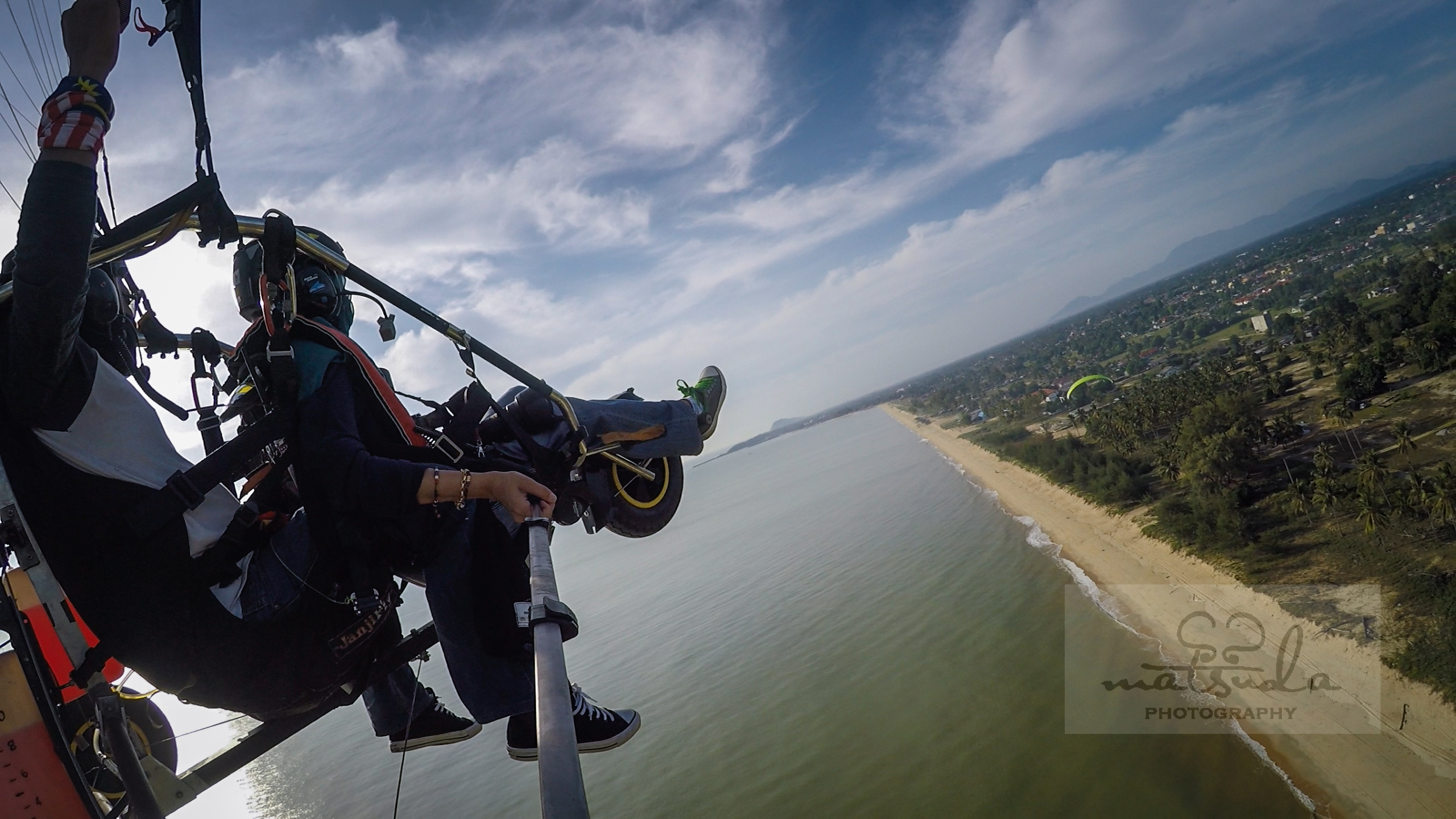
Kuala Besut, Terengganu from up on the air on 2017.07.16
Is it dangerous? Hmmm …
As I mentioned earlier in my previous post about paramotor, any extreme sport requires you to have a certain level of skill to ensure safety. And that skill is acquired from hours and hours of flying training or flying experience. And planning is very important.
Apart from making sure that the engines and wings are in its best condition … we tried to minimize our risk by ensuring proper planning before and during each flight with the help of technology.
From Pulau Indah to Morib Beach during low-tide on 2017.04.09
MBOR challenge achieving 10,000 feet in a group at Tekah Airfield on 2017.04.15
Inside a cloud at Tekah Airfield on 2017.04.15
At the Water Reservoir Sungai Tinggi, Kuala Selangor on 2017.05.13
At Bukit Tabur, Selangor on 2017.05.21
At Unisel wetland, Batang Berjuntai, Kuala Selangor on 2017.05.28
From Kundang to Tanjung Malim, Perak on 2017.06.11
We saw this S-shaped river on the way to Tanjung Malim on 2017.06.11
Flying over Antara Gapi airspace on 2017.06.11
Bukit Beruntung area on 2017.07.23
From Kundang to Bukit Beruntung, Kuala Selangor on 2017.07.23
Pantai Irama, Bachok, Kelantan on 2017.07.15
Kuala Besut, Terengganu on 2017.07.16
The shoreline of Kuala Besut, Terengganu on 2017.07.16
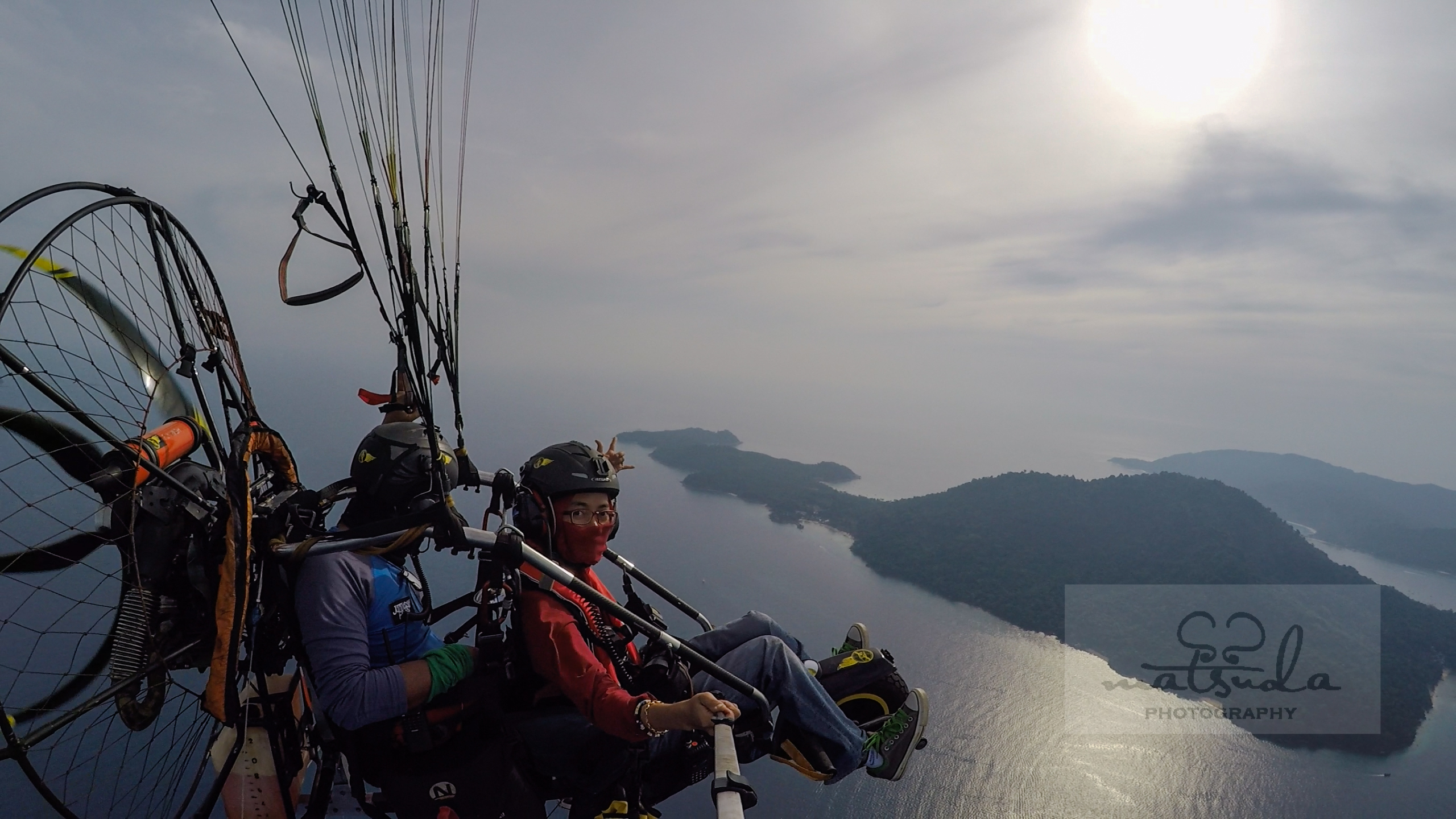
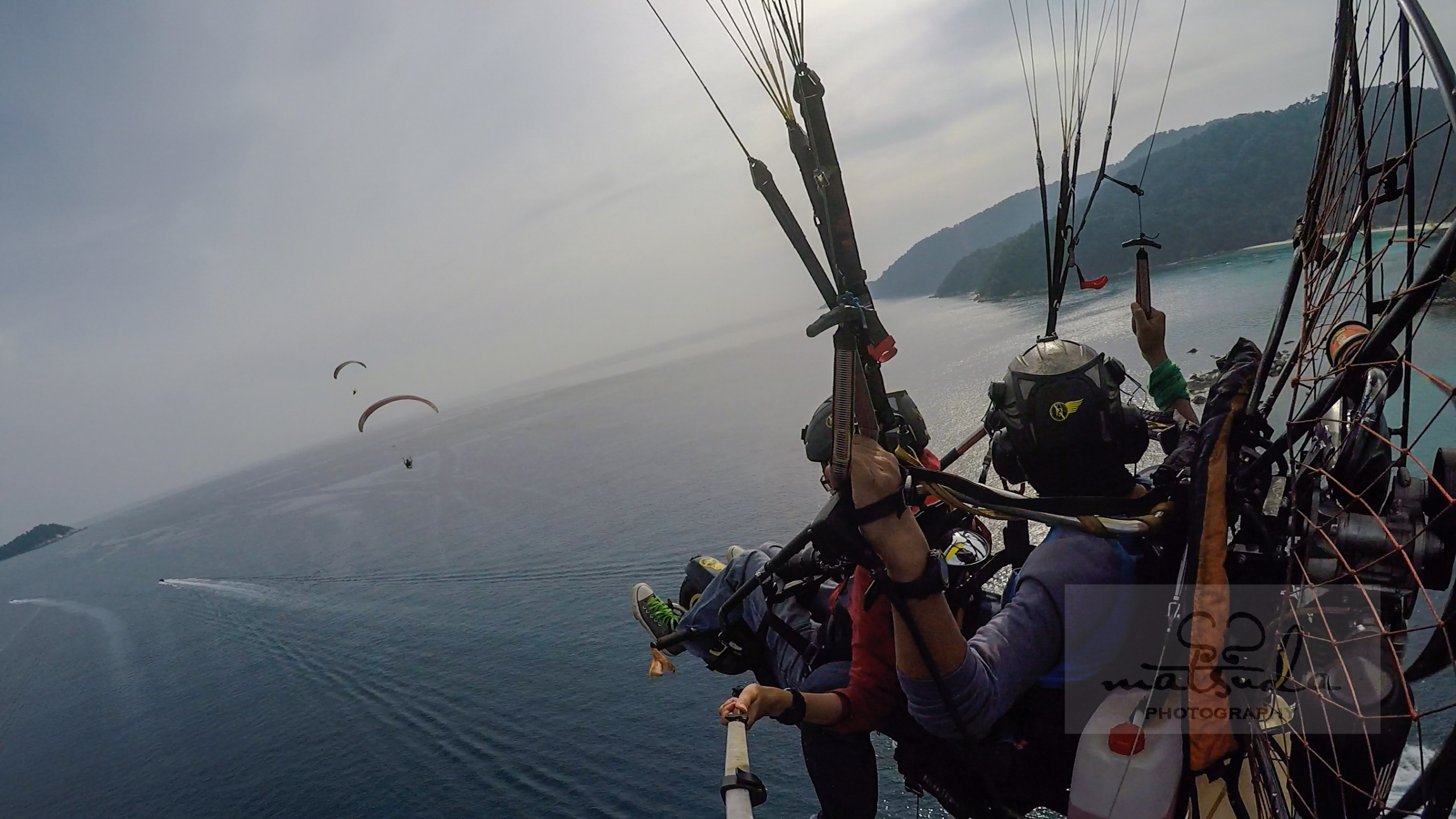
From Kuala Besut to Perhentian Island, Terengganu on 2017.07.17
From Kuala Besut to Perhentian Island, Terengganu on 2017.07.17
Is it scary?
Honestly yes … sometimes lol … but when you are already up there on air, your thought mostly would be on how to ensure that we are well prepared for the worst. I call it the survivor instinct …
The shoreline of Kuala Besut, Terengganu on 2017.07.16
Flying cross-country gives us the opportunity to see the world in a way that most people would never will and it is a privilege for me to be a part of it.
And, sharing the beauty version of layers and layers of landscapes from up above through my lens with my viewers is very self-fulfilling. Some might get personal seeing me mingled around comfortably among my ppg friends … get it over with, after experiencing life I believe that there is more to it than getting hitched, In Sha Allah kot ha ha ha.
From Kuala Besut to Perhentian Island, Terengganu on 2017.07.17
I might appear bias or might have inhaled too much dust while flying but I think it is a privilege for a human being to be able to fly at will either with a light-aircraft or a wing and glide on air doing paragliding or with an engine attached to a wing like a paramotor.
And I am not sure when this flying privilege could last as air regulation might change according to technological change or cost hike on flying kill enthusiast or in an extreme case, political change – so I believe that it is very fortunate for us to be able to fly at our own will today.
Sharing some snapshots from our GoPros during a few of our XCs here in today’s post as an inspiration and motivation for ourselves … fly high peeps! create your own moment.
To view photos from this post in better resolution … please click here
Sunset flight from our takeoff base at Pulau Indah to Jugra Hill on 2017.08.13
Eid Fitr Mubarak to all my Muslim readers near and far, all over the world.
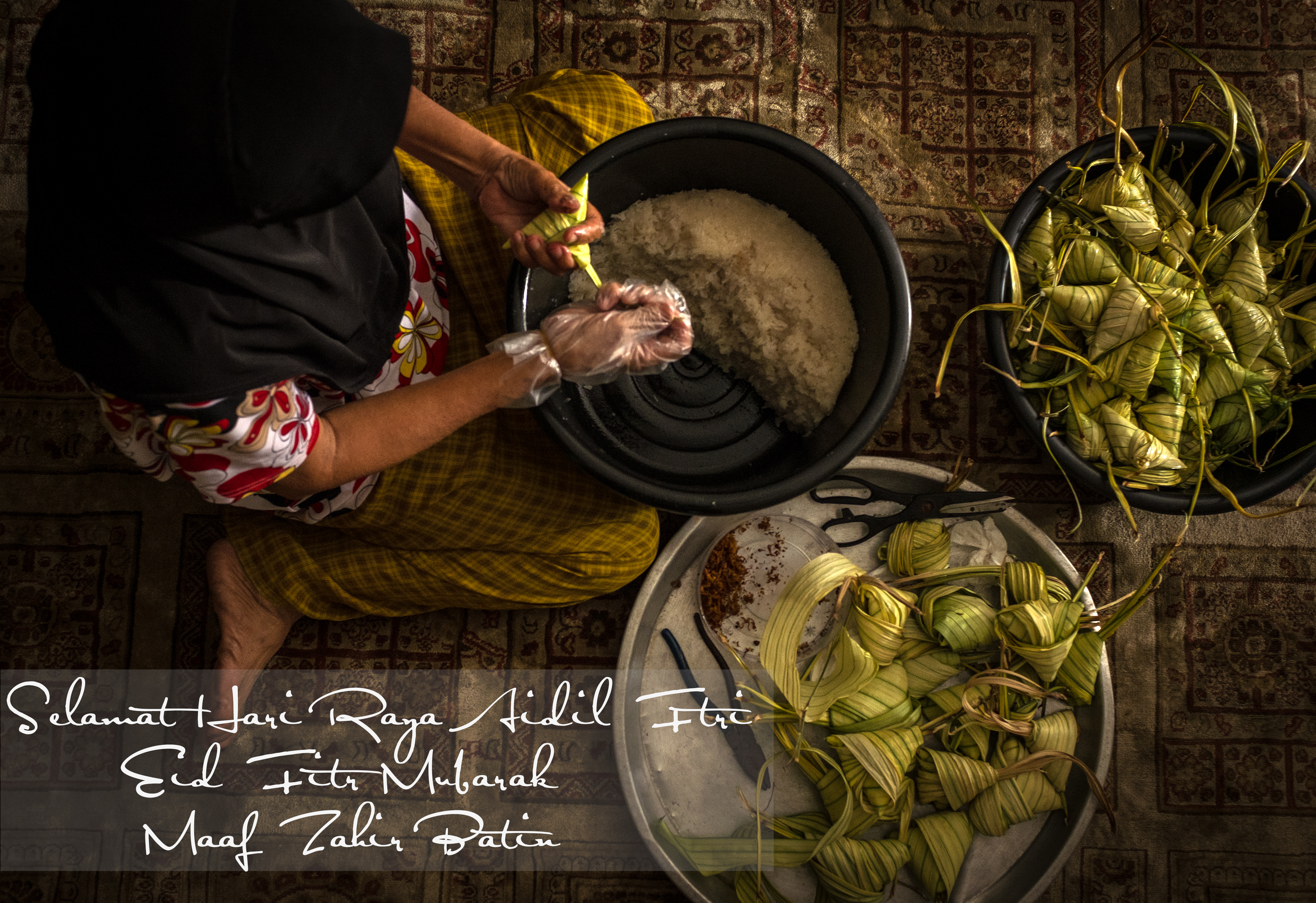
My mom preparing Kelantanese traditionalketupat for Eid celebration
Ramadhan 29th, 1438H/ 2017M: Last day of Ramadhan for this year and tomorrow would be the start of Shawal. Sad to see the holy month is about to end this afternoon. The spiritual night routine and the day time struggle to guide oneself towards understanding humanity is very nourishes to my soul.
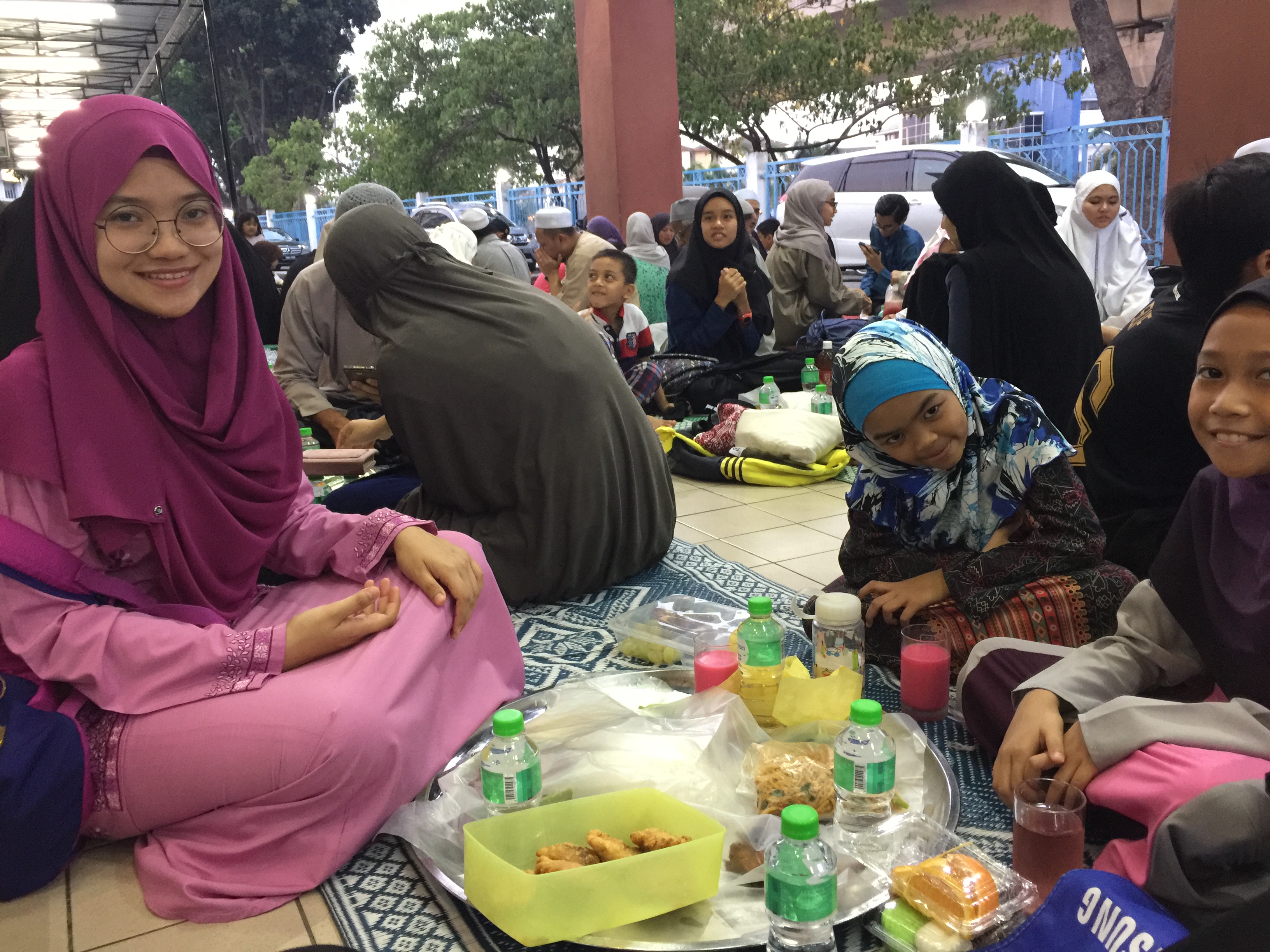
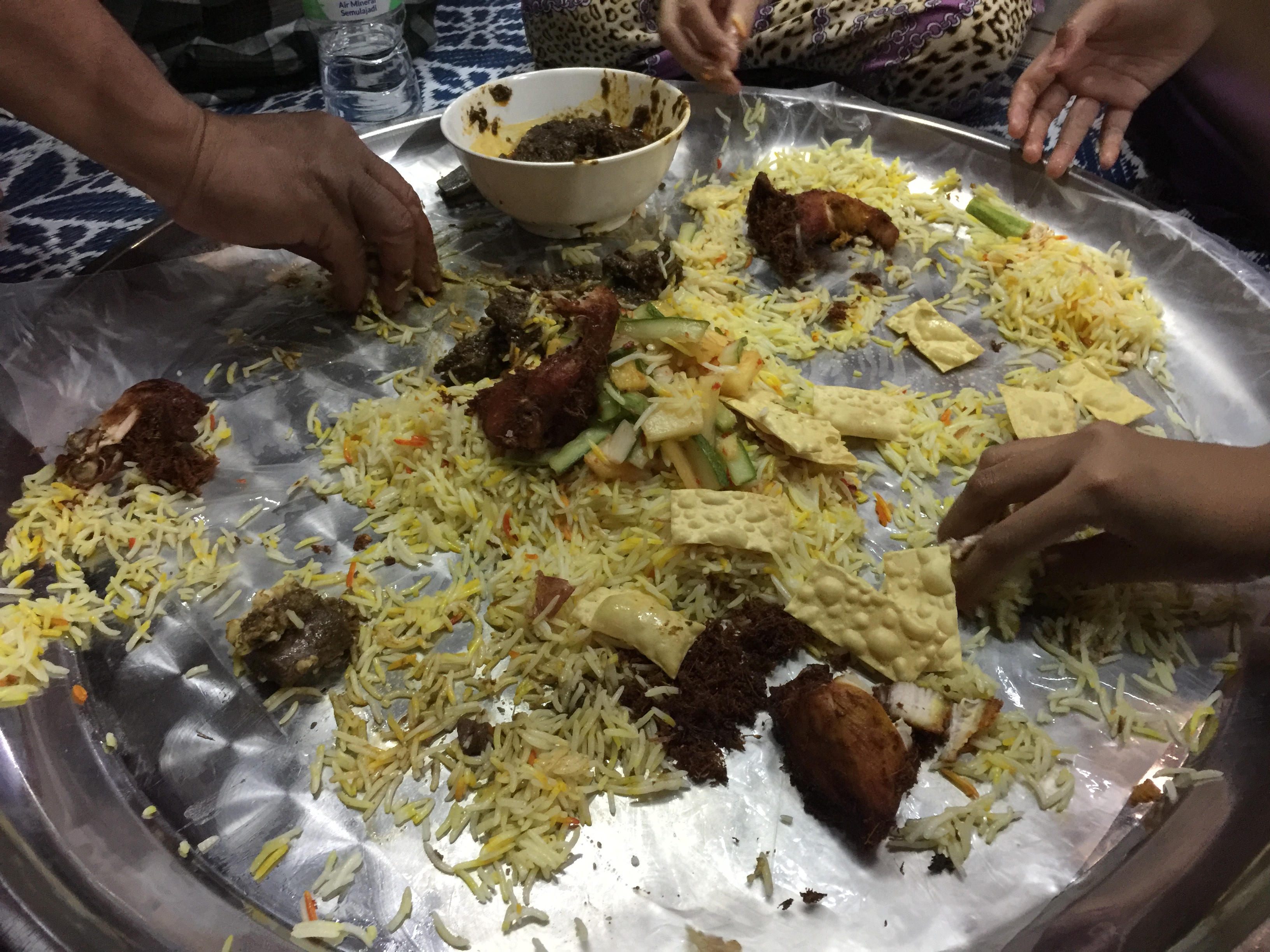
I experienced new lessons during this Ramadhan. The first time for me breaking fast/ iftar at the nearby mosque with hundreds of fasting Muslims. A few of us shared the same tray of food, sitting on the floor while enjoying our rice with side dishes together. Then we performed our tarawih prayers together as one ummah. The warm feeling flew deeply inside me … my first time.
My ‘food tray mate’
And this is how the food moves
A calmer month for me this time around, learning and seeking for in-depth peace between me and my Almighty Creator. Thanks to my children and friendly soulful friends around me … they never failed to warm my heart. And, thanks to that particular soul too. Alhamdullilah ….
And, tomorrow would be back to normal business again for me. I hope to be able to adopt whatever that I have learned during the holy month into my daily life too … a quest to be the better me. In Sha Allah
Bye
MM
ps- am placing my camera on alert for my mom’s beautiful moment while preparing for the Eid Fitr celebration. Life is short … a soul would come and go, according to Allah’s plan.
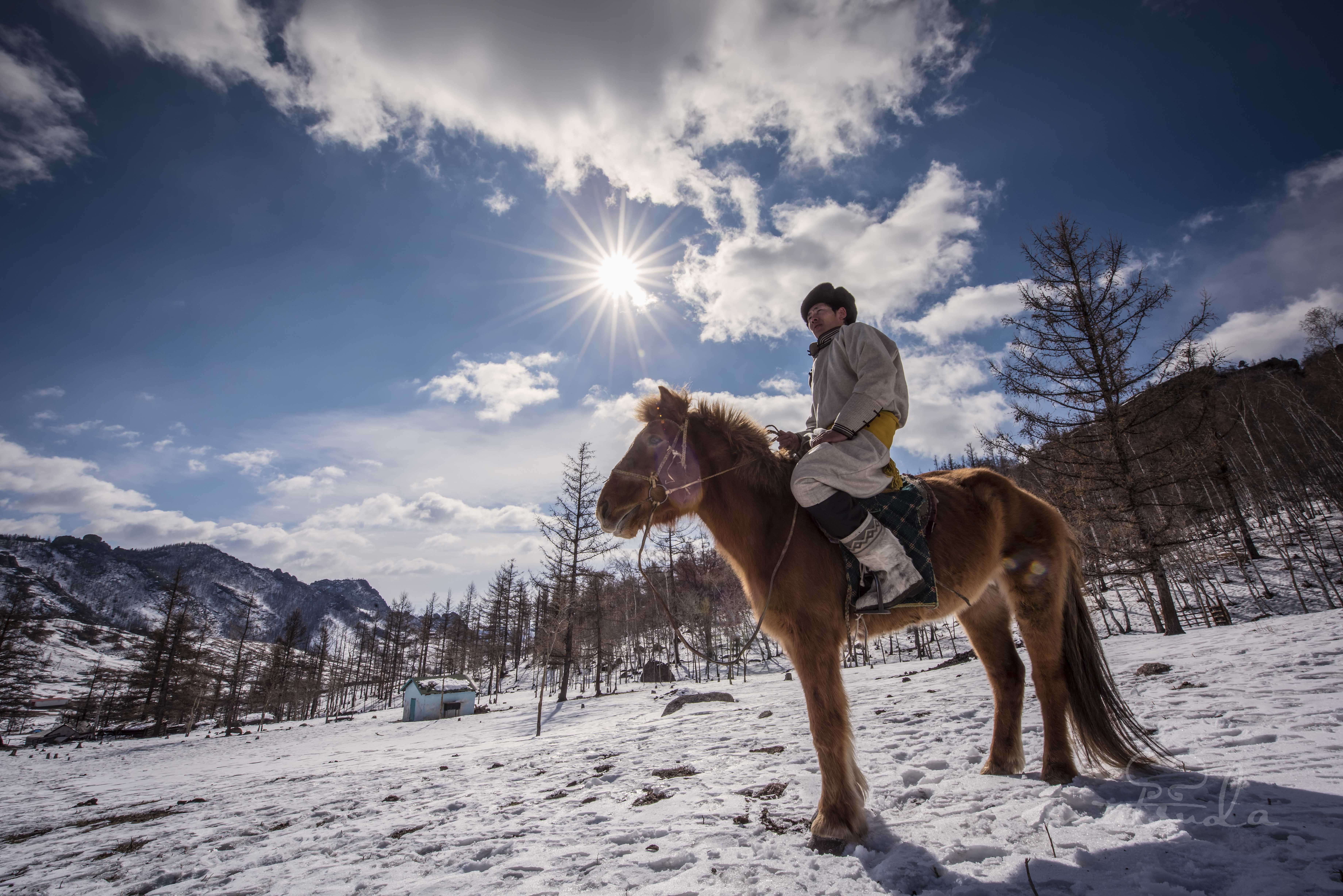
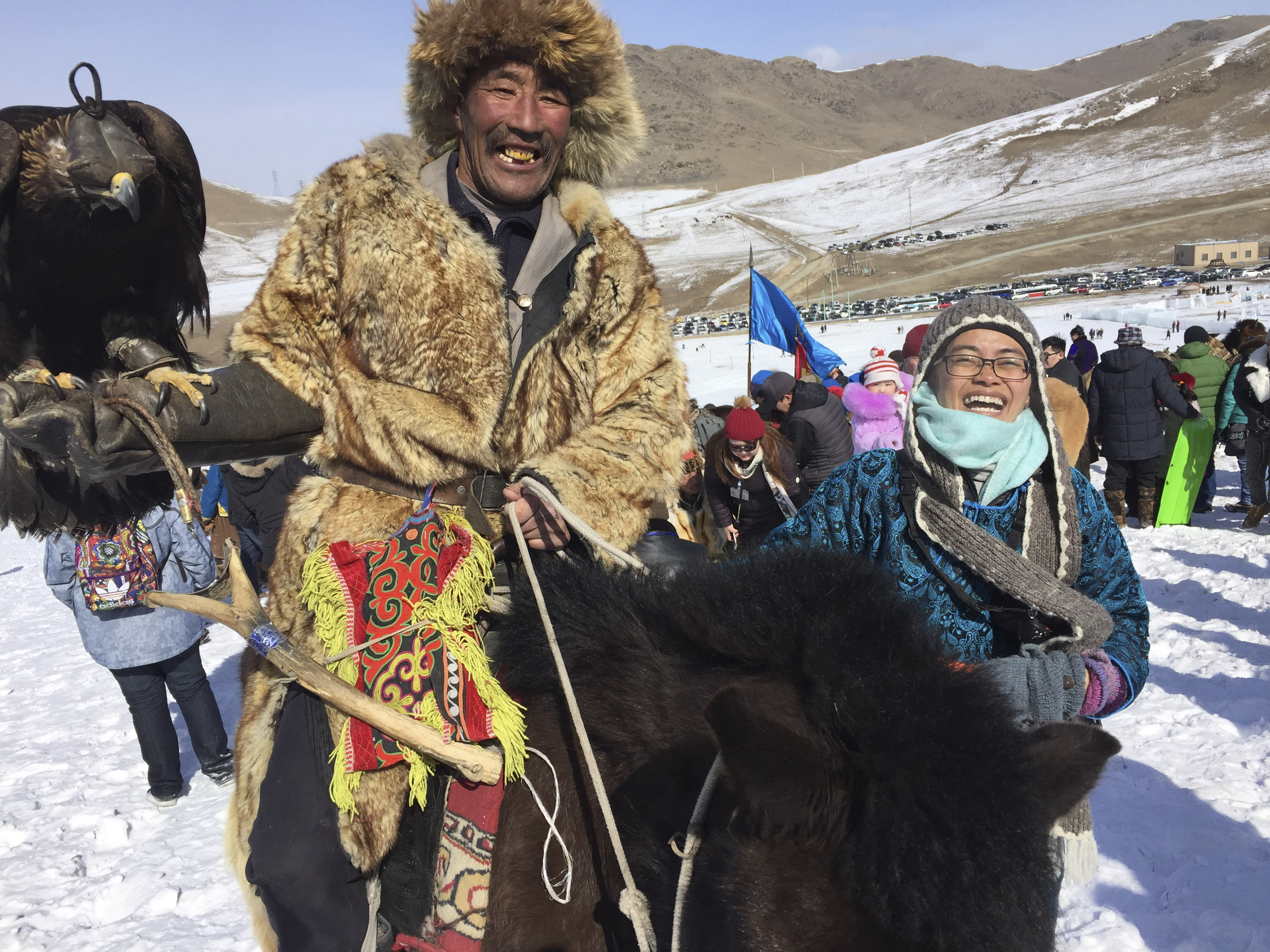
While travelling in Mongolia, their nomadic lifestyle caught my attention.
After embracing a minimalist mindset a few years ago, I gradually found myself drawn to the idea of living with a nomadic mindset, too.
Not that I’m ready to pack my bags and move from place to place just yet — hmmm, not yet — but I sense (acewah, boleh plak sense lol) that thinking like a nomad allows me to explore life more freely. Carrying unnecessary baggage, whether physical or emotional, only weighs me down. Being too attached to materials or even people can quietly hold me back from stepping beyond my comfort zone.
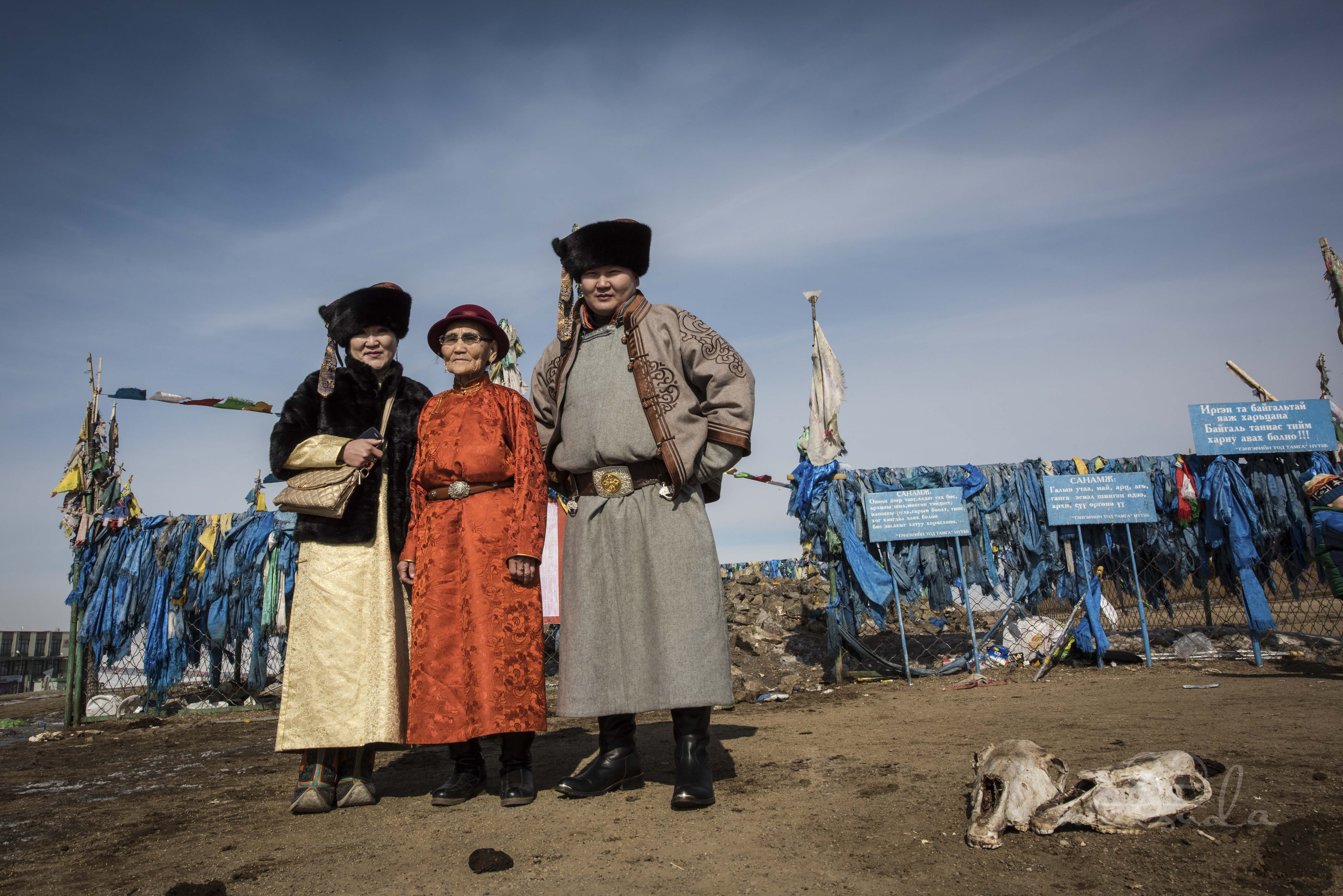
Having the chance to live with real nomads in Mongolia, even for just a few days, was a deeply nourishing experience. About half of Mongolia’s population still leads a nomadic life, herding their livestock freely across the vast open lands — a humbling reminder of what it means to live simply and freely.
Origil lives in Terelj National Park, Ulaan Bataar, Mongolia
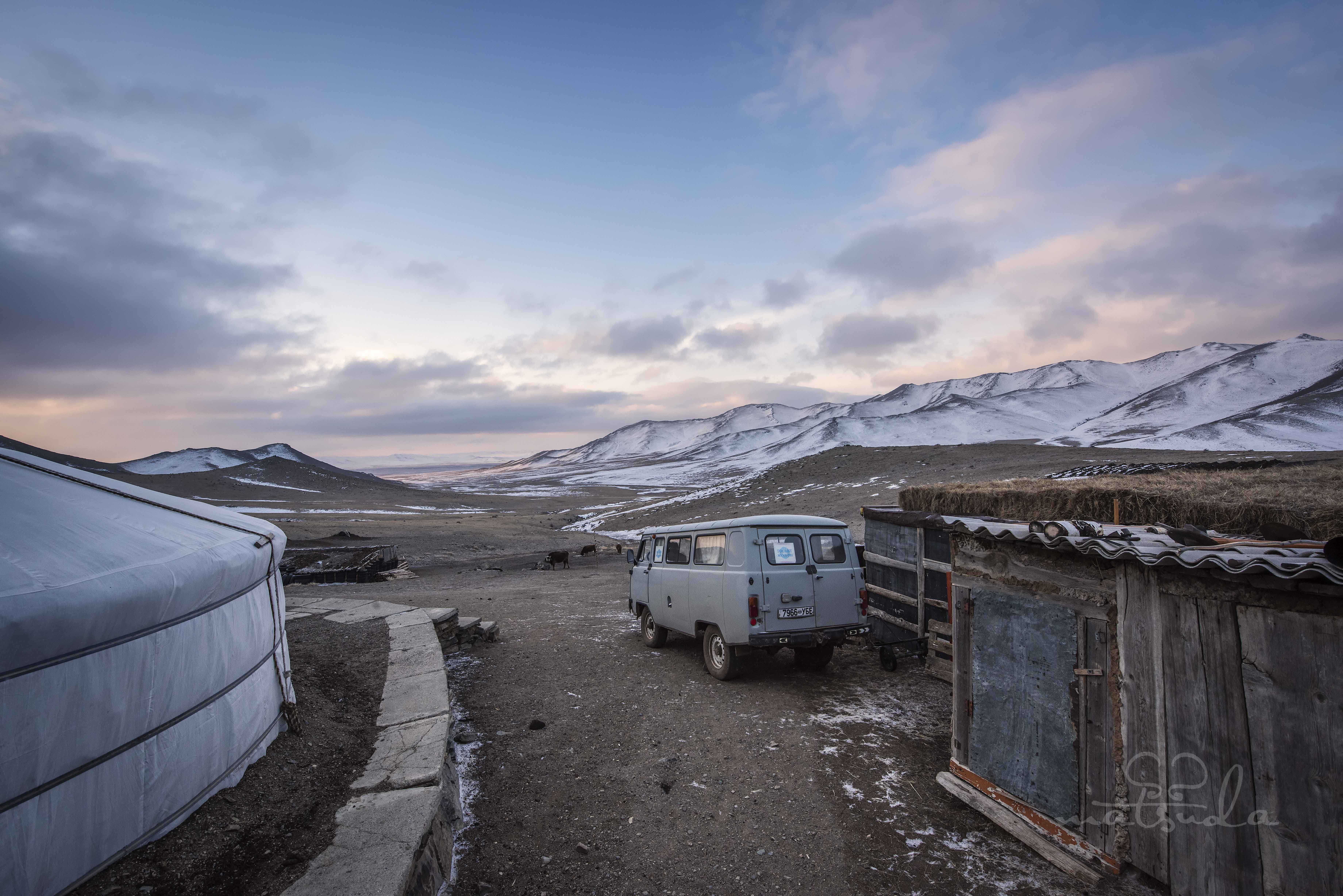
They live in gers — large, comfortable, tent-like homes that can be packed up and moved from one campsite to another at least four times a year. This seasonal migration helps them find the best pastures for their livestock and shields them from Mongolia’s harsh climate, especially during winter.
Living in a ger frees them from the burden of rent or bank mortgages — a refreshing kind of freedom, far removed from the financial pressures many of us face. It was my first time in Mongolia and my very first encounter with anything related to Mongolian culture.
The food, the people, the traditions, the biting winter — everything was completely new to me. Luckily, our local guide, Alma, had everything perfectly planned out. We were like empty shells, ready to be filled with whatever Mongolian adventures she had in store for us.
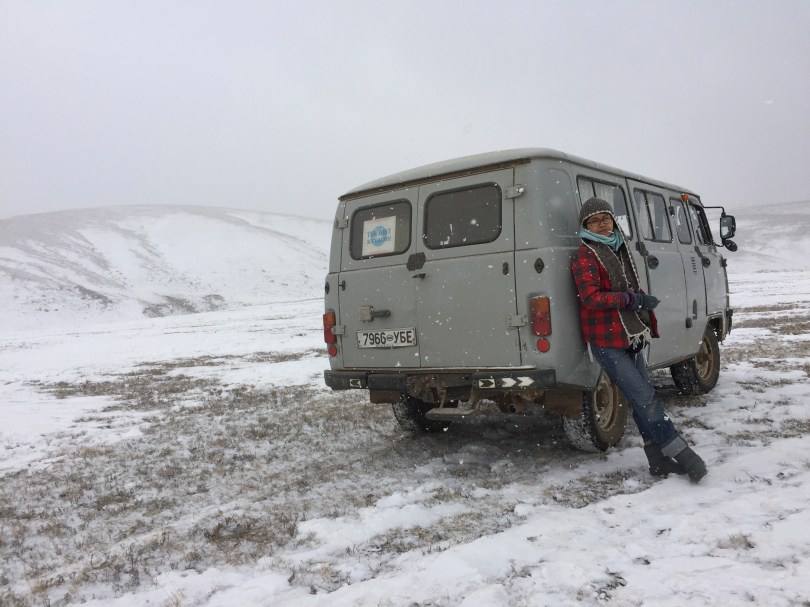
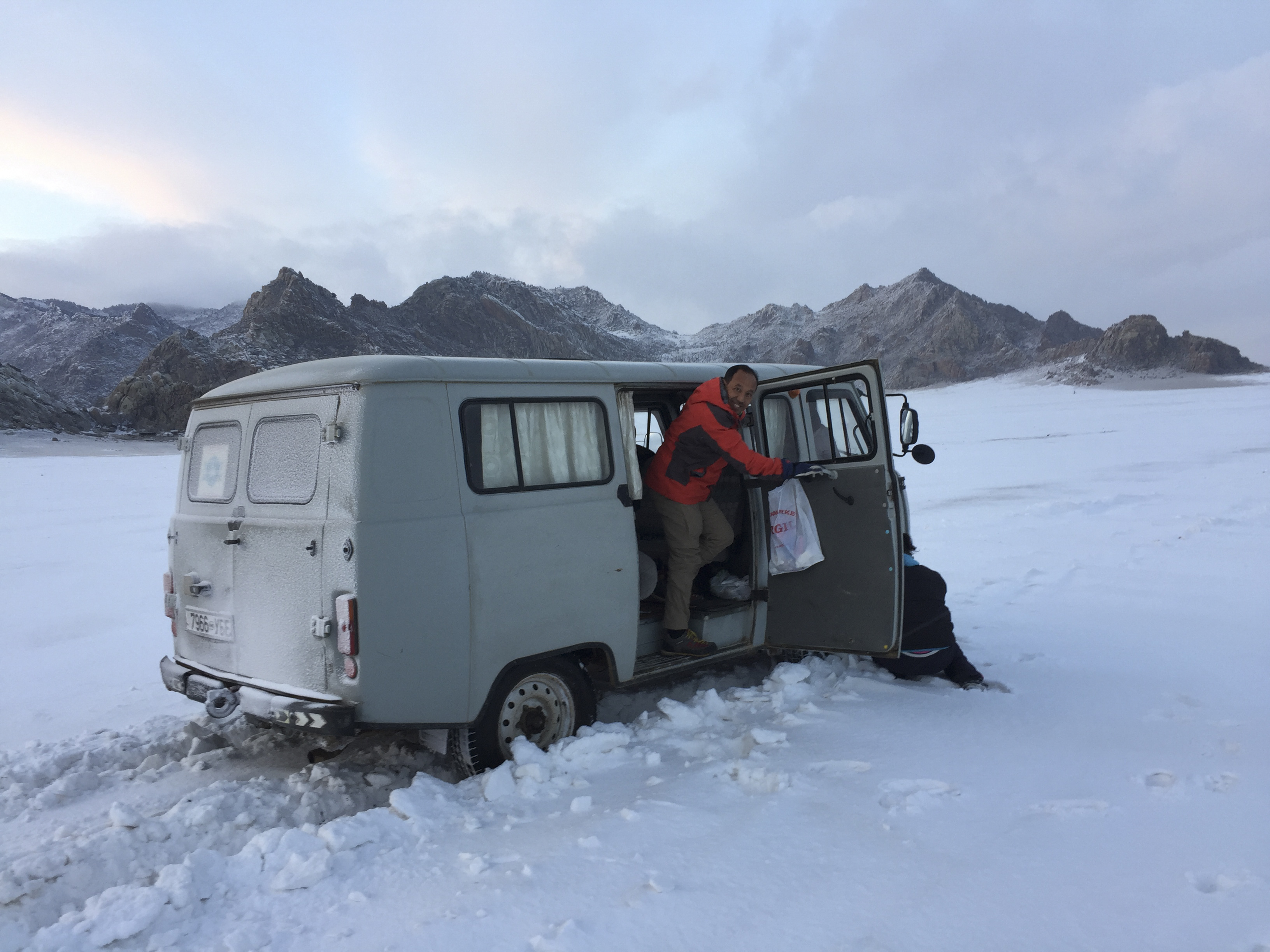
The freezing winter didn’t stop us from exploring. There was even a moment when we found ourselves lost in the middle of nowhere — an unfamiliar valley blanketed in thick snow that had completely hidden the trail (which was really just faint tyre marks across a vast plain). At that point, we surrendered entirely to Alma and our driver, Oyunna — trusting their instincts and experience to guide us through.
It was, without a doubt, one of the rawest adventures I’d ever had.
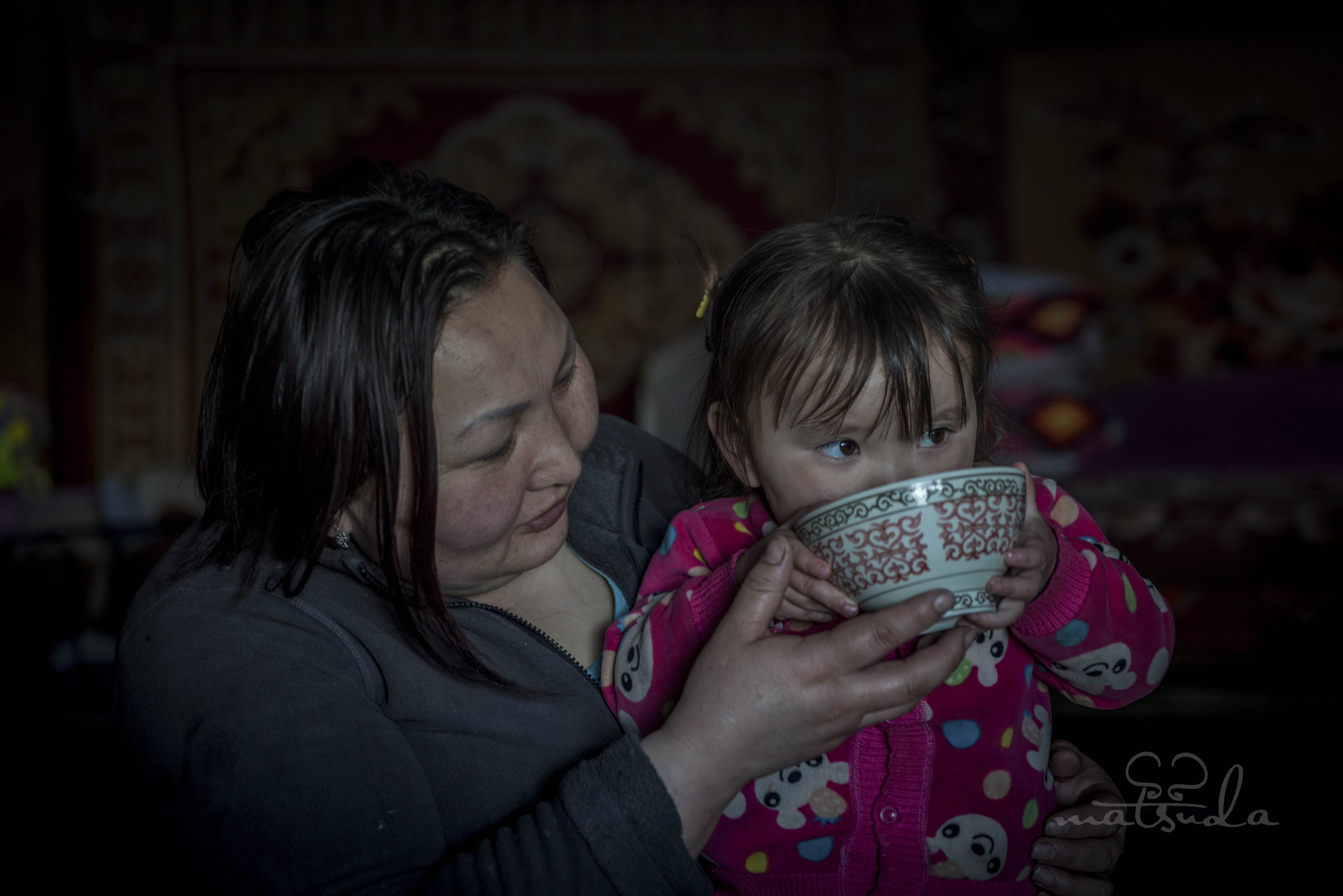
I’ll be sharing a few photos of the people we met along our eight-day journey through Ulaanbaatar and beyond. Looking back at these images reminds me of their warmth, their generous hospitality, and all the funny, heartwarming moments we shared while trying our best to blend in with their culture.
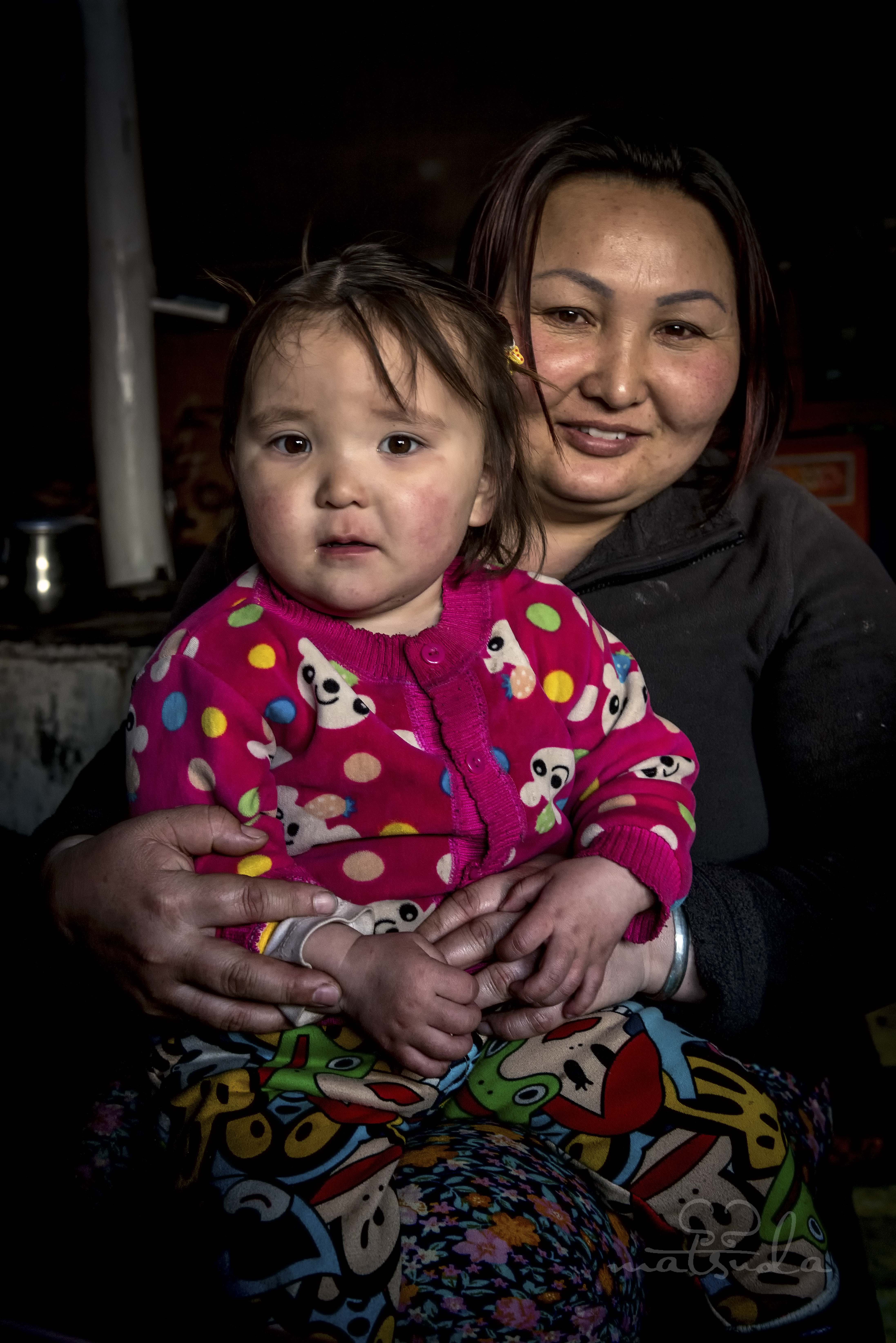
We spent two days at Janat’s home, a warm, welcoming Kazakh Mongolian family. Every morning and afternoon, we’d watch Janat and his son, Bota, tending to their herd. It was like a live documentary of nomadic life, except this time, we were inside the story.
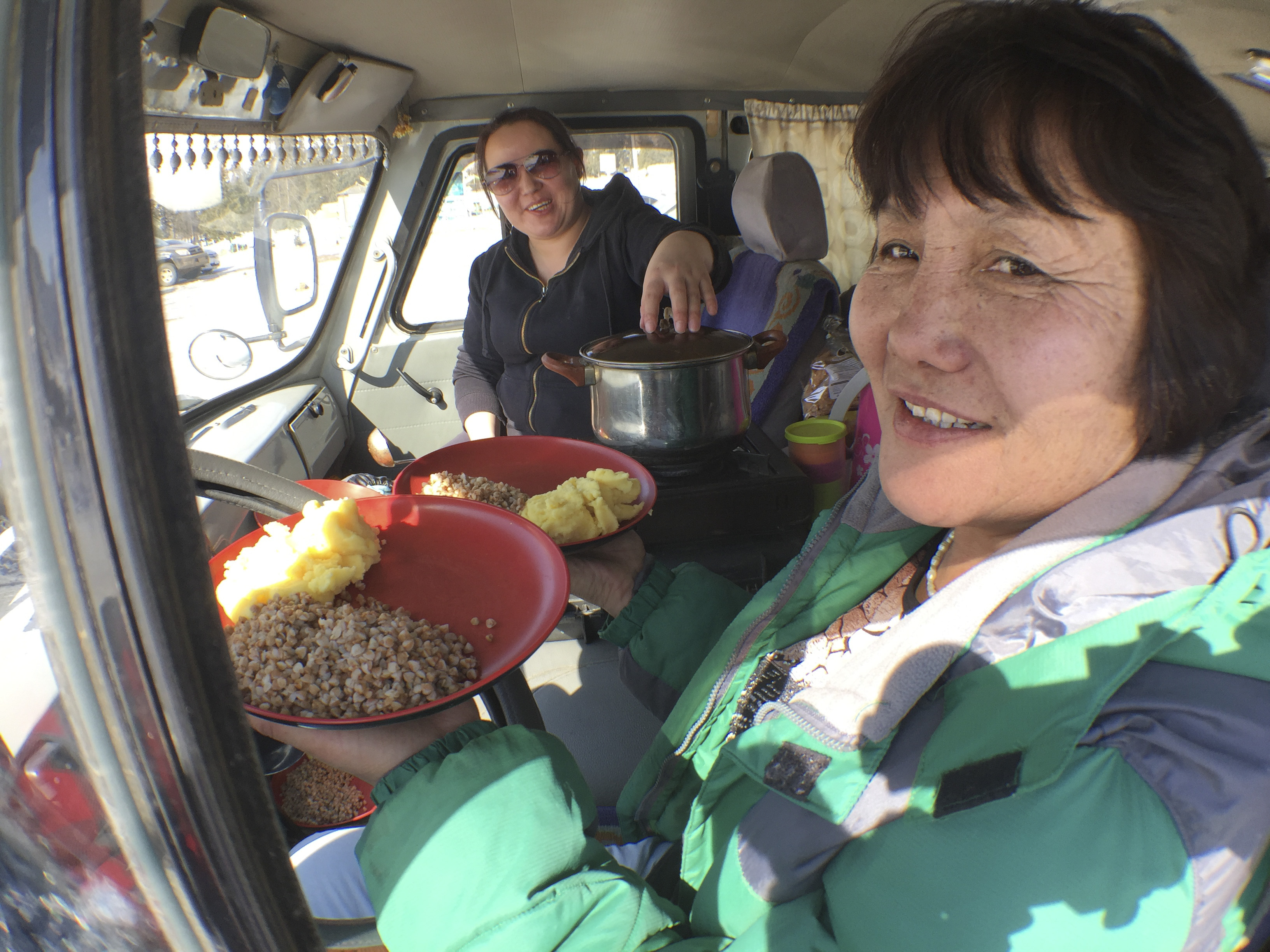
The family treated us like one of their own. We even shared their daily meals and that’s where things got interesting. I had my first taste of steamed horse meat and, unknowingly, chewed on steamed cow testicle like a pro (only found out after I swallowed it… classic me). Honestly, I’m not picky when it comes to food. As long as it’s halal and edible, I’m good to go. If no one had told me it was horse meat or a cow testicle, I probably wouldn’t have noticed anyway. Meat tastes like meat to me. First time for everything, right? He he he.
Living in a minimalist home, a ger, was kinda cool too… except for one thing. The toilet was sooo faaar aaawaayyy. Imagine this: winter temperature below -17℃, icy winds slapping your face, and your mind desperately negotiating with your bladder … “Nope, not now, please hold it in!” 😂. Let’s just say, I’ve collected quite a few hilarious toilet stories during this trip — but those are reserved for personal requests only!
To reach Janat’s home, we had to travel for hours across a roadless plain, guided only by the mountains and our fearless driver’s gut instinct. To be honest with you, I completely lost track of where we were but that’s the charm of Mongolia. Getting lost is part of the adventure.
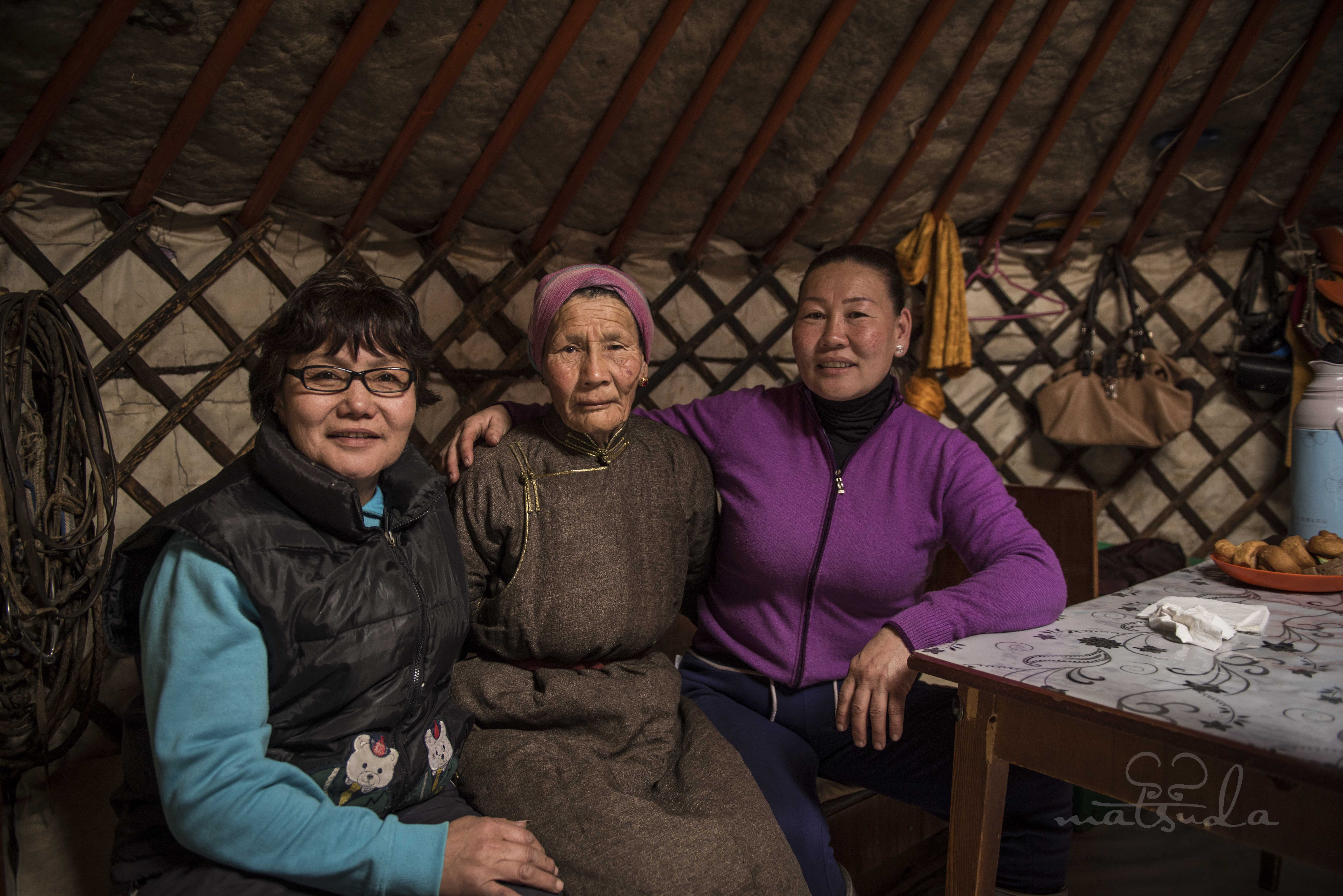
Grandma’s homeGrandma Dorjsuren with her daughter Enkhtuul (purple) and Oyunna (blue)
Then there was Grandma Dorjsuren.
We stayed for a night with Grandma Dorjsuren Dambiinyam and her hardworking daughter. To reach her place, we have to travel for hours wandering on a roadless plain … towards a certain mountain, he he he I also lost track of our whereabouts.
At first glance, she looked like the strict, no-nonsense type — the kind who’d give you that look if you misbehaved. But when she hugged me, oh my… her warmth melted me right away. I liked her instantly. Actually, I think my soul liked her even more. Their gers were tucked behind a small hill, but even that couldn’t protect us from the freezing wind that shook our tent all night long.
Still, I told myself — I’m tough, like a nail stuck in a wall! 💪
Grandpa Bor with his livestock
We also spent a night with Grandpa Bor (in his 80s) and Grandma Yandag (in her 70s). Don’t be fooled by his sweet, innocent face — this grandpa is full of jokes and cheeky charm! Fun fact: he and his wife once appeared in a fashion magazine as models for Mongolia’s tourism campaign. Talk about a power couple!
The journey to their valley was wild. Thick snow, white plains, and absolutely no sign of a road. Honestly, I still don’t know how our guide managed to drive us there. GPS? Gut feeling? Pure magic, maybe!
On our way to Grandpa Bor’s home. Oyunna manually changed the tyre setting to 4×4
Grandpa proudly told me that he once owned over a thousand goats and sheep before sharing them with his children. Their livestock is seriously tough; they can survive temperatures as low as -17°C! Totally different breed from our pampered tropical goats back home.
When I showed him photos of goats from my country — Jamnapari, Boer, and Saanen — he burst into laughter. He couldn’t get over the fact that our goats have such long ears and are bald with no fur! Despite the language barrier, Grandpa Bor was a natural comedian. His jokes were so weirdly funny that I often needed a full five minutes just to understand them. But one thing was clear — I could feel his sincerity through every laugh.
Hmmm… observing their nomadic lifestyle and listening to their stories about moving from one place to another made me reflect on what resilience truly means, the quiet strength to adapt and flow with life’s unpredictability.
To live in rhythm with nature, to follow the seasons, to build and rebuild a home wherever the land welcomes you, what a profound lesson in letting go. Moving four times a year doesn’t make them restless; it makes them flexible, grounded, and alive.
And being a nomad doesn’t mean being cut off from the world. They are connected in their own beautiful way. Solar panels illuminate their gers and power their daily appliances, while their trucks transport them across the vast, open plains. They live simply, yet they live fully.
Perhaps that’s what I long to learn — to carry a nomadic spirit within my minimalist path. To travel lighter, not only in possessions but also in thoughts and emotions. To embrace change with grace, and to trust that wherever life leads, I’ll find my footing again.
Looking back at these photos makes me long for more. More adventures that open my heart, and more quiet lessons that shape my minimalist soul. Mongolia reminded me that life doesn’t have to be filled to feel full. Sometimes, the less we hold on to, the more we can receive. The nomads I met taught me that home isn’t a fixed place; it’s a state of being. It’s in the wind, the laughter shared over simple meals, and the courage to keep moving forward, no matter how uncertain the road may be.
With that, I’ll see you at my next post.
Cheers,
MM
“My great hope is to laugh as much as I cry; to get my work done and try to love somebody and have the courage to accept the love in return” ~ Maya Angelou
“If you want to catch a beast you don’t see every day. You have to go places quite out of the way. You have to go places no others can get to. You have to get cold and you have to get wet, too” ~ Dr Seuss
Love, love, love that quote by Dr Seuss about venturing out to hunt for beasts in the most difficult and isolated places, the kind of places where you’ll get wet, cold, and maybe a little lost. Well, the places I went were far beyond cold … aha! We’re talking sub-zero, freezing, icy kind of cold.
From Ulaanbaatar in Mongolia to Lake Baikal in Southeast Siberia, I travelled across these breathtaking lands via the legendary Trans-Siberian Railway.
In this post, I’ll be sharing a glimpse of our journey. Along with the actual transportation costs, in the hope of inspiring you to be a little more adventurous, and to step outside your comfort zone to see the world differently.
# travellers ~ Areza Mansor, Azli Wahab and Matsuda
Definitely one of the most chilling journeys of my life.
I haven’t been to the North or South Pole yet, so I can’t compare, but I was told that in Ulaanbaatar, Mongolia, -36°C during winter is considered normal. Yep, just another regular day for the locals … but for a tropical girl like me, that’s already beyond “cold.” 🥶 Now I can’t help but wonder… how cold is the actual pole then?!
For almost two years, I’d been dreaming of exploring Mongolia.
Many friends cautioned me that a trip to Mongolia and Russia could be tricky and costly, probably because English isn’t widely spoken there. Still, early this year (2017), out of the blue, I shared a Facebook post about the Kazakh eagle hunters of Mongolia. Not long after, a trekker friend I’d met on a previous trip messaged me, inviting me to join his backpacking adventure across China, Mongolia, Russia, and Europe — all by the legendary Trans-Siberian Railway.
Being my usual spontaneous self with a “why not?” attitude, I jumped right in. Though I decided to join only for the first half of their journey, about 15 days, covering Mongolia and Lake Baikal in Southeast Siberia.
Shuvuun Am, Valley, Altan Bulag village, Tuv province, Mongolia#stuckonice: Rashaant Village, Bulgan province, Ulaan Baatar, Mongolia
We started our journey in Beijing. I flew solo from Kuala Lumpur and met Areza and Azli at the airport. After picking up our train tickets, we hopped aboard the legendary Trans-Siberian Railway, heading from Beijing to Ulaanbaatar, Mongolia, before continuing onward to Russia.
Crossing borders in winter is an adventure of its own. The snow, the long queues, and the officers who barely speak English. Between the language barrier and the immigration procedures, patience wasn’t just a virtue; it was a survival skill.
That’s when I truly appreciated how blessed I was with my travel companions. Though it was my first time travelling with them, we clicked instantly, wickedly well, in fact. The understanding, the tolerance, the shared laughter … Alhamdulillah, I couldn’t have asked for better company.
Some people love travelling solo, but this trip made me realise that I’m not one of them. Having good companions is a gift, especially when you’re stuck on a train for days or trudging through places where Wi-Fi (and warmth) are just distant dreams.
We spent 27 hours on the Trans-Siberian Railway from Beijing to Ulaanbaatar (RM1,340), explored Mongolia for eight amazing days, and then continued another 35-hour journey to Irkutsk, Southeast Siberia (RM822). The train ride was surprisingly comfortable, with heaters keeping us toasty the whole way.
Our only challenge? The power sockets! There was just one, which was in the hallway. So, imagine a bunch of travellers huddled by the corridor, guarding their charging phones like squirrels protecting their winter nuts.
We finally reached Irkutsk in the early hours of the morning, caught a taxi ride from the train station (200/ 500 rubles), and headed straight to the bus terminal. Luck was on our side as the 10 a.m. bus to Olkhon Island, Lake Baikal, was just across the street (800/ 1,100 rubles per person).
Everything went smoothly, except for one thing … the language barrier. English in this part of Russia felt like an alien language! Still, somehow, with a mix of gestures, smiles, and pure luck, we made it through. ((actual cost/ ripped off cost)
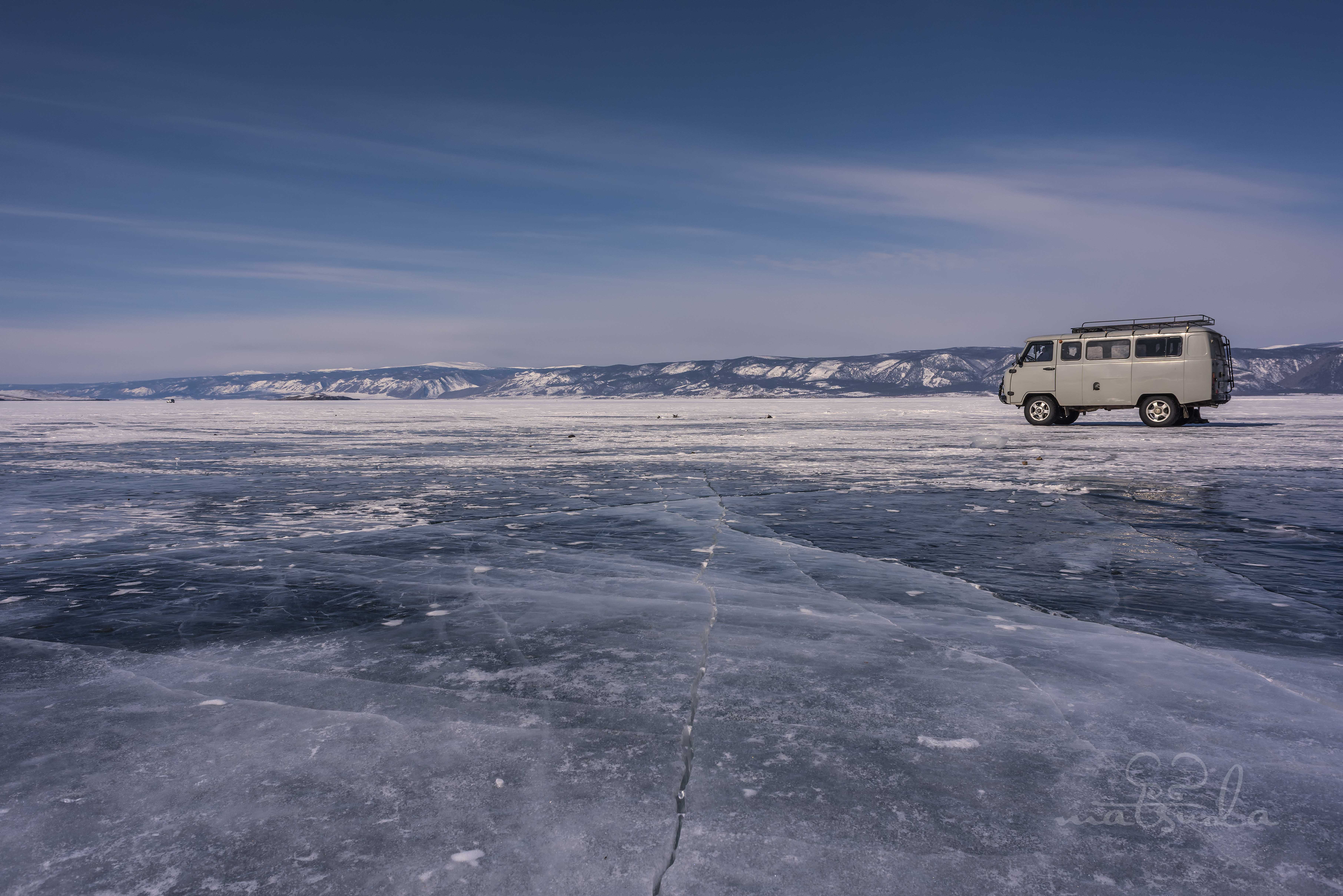
#minimalistme ~ Every day means of transportation here in Lake Baikal
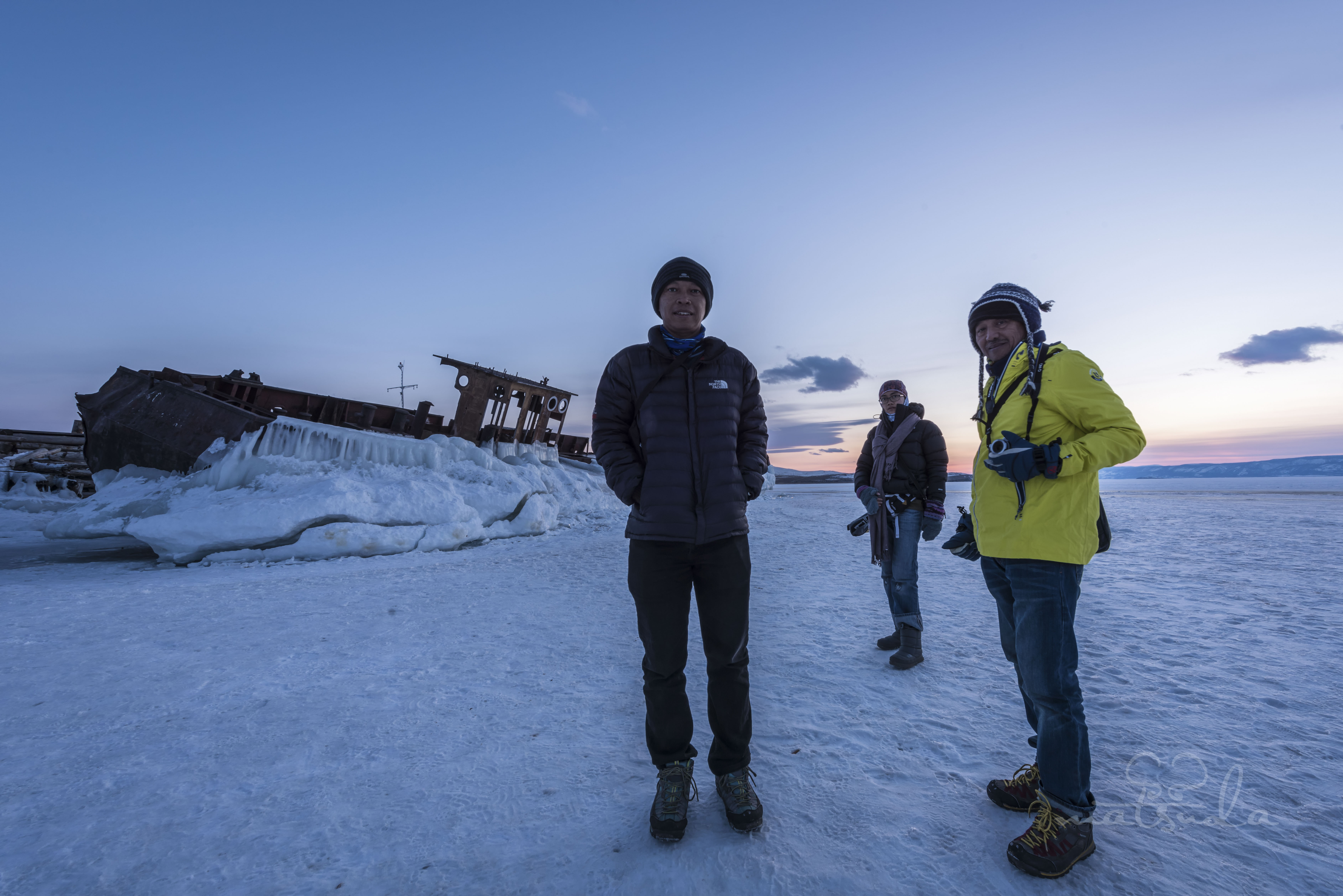
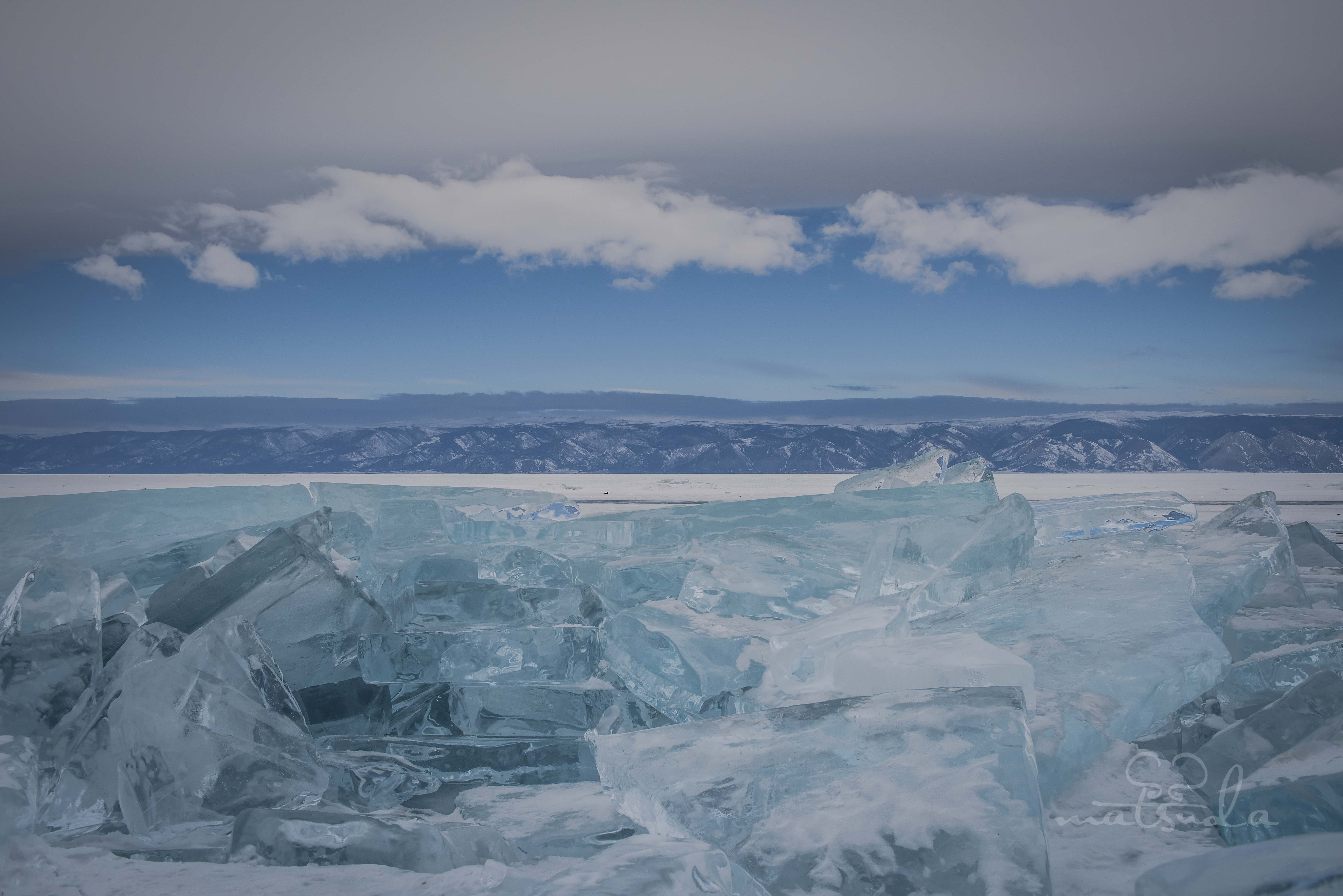
For the three of us, it felt like landing on another planet — everything looked surreal, almost too beautiful to be real. It was bone-freezing cold, the kind that makes your eyelashes frost over, but every moment spent there was absolutely priceless.
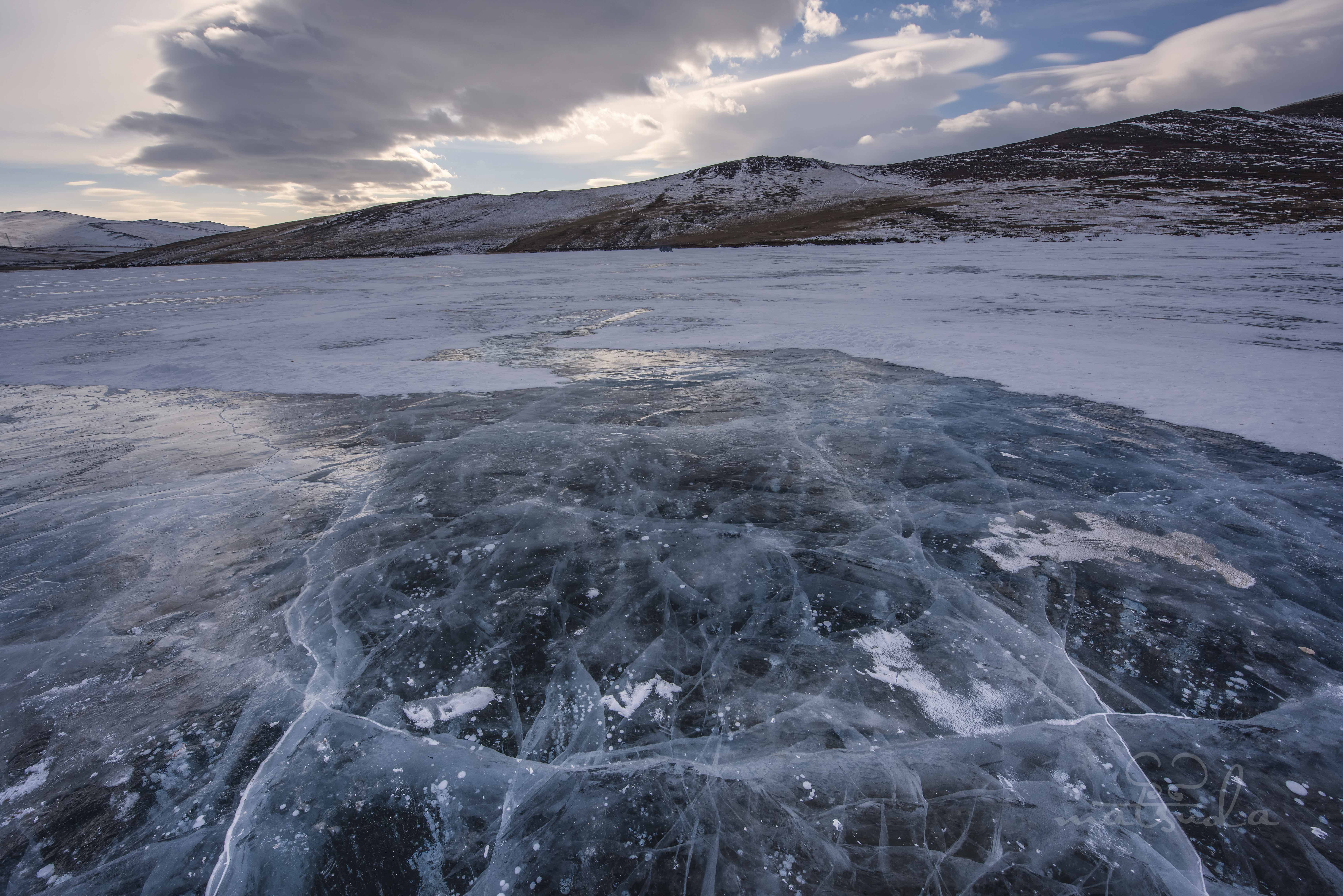
We stayed four days exploring both the north (800 rubles) and south (1,000 rubles) sides of the frozen lake. Just a few days before we arrived, it had snowed heavily, blanketing most of the ice in soft white powder — not the clearest glass-like Baikal we’d hoped for, but still a breathtaking sight.
We booked our accommodation online and decided to take it easy with our transport plans since everything online seemed way overpriced. In the end, we found that travelling around Olkhon Island was surprisingly convenient. Our shared hostel was cosy, our hosts were helpful, and getting rides to and from the island turned out to be much easier (and cheaper!) than expected.
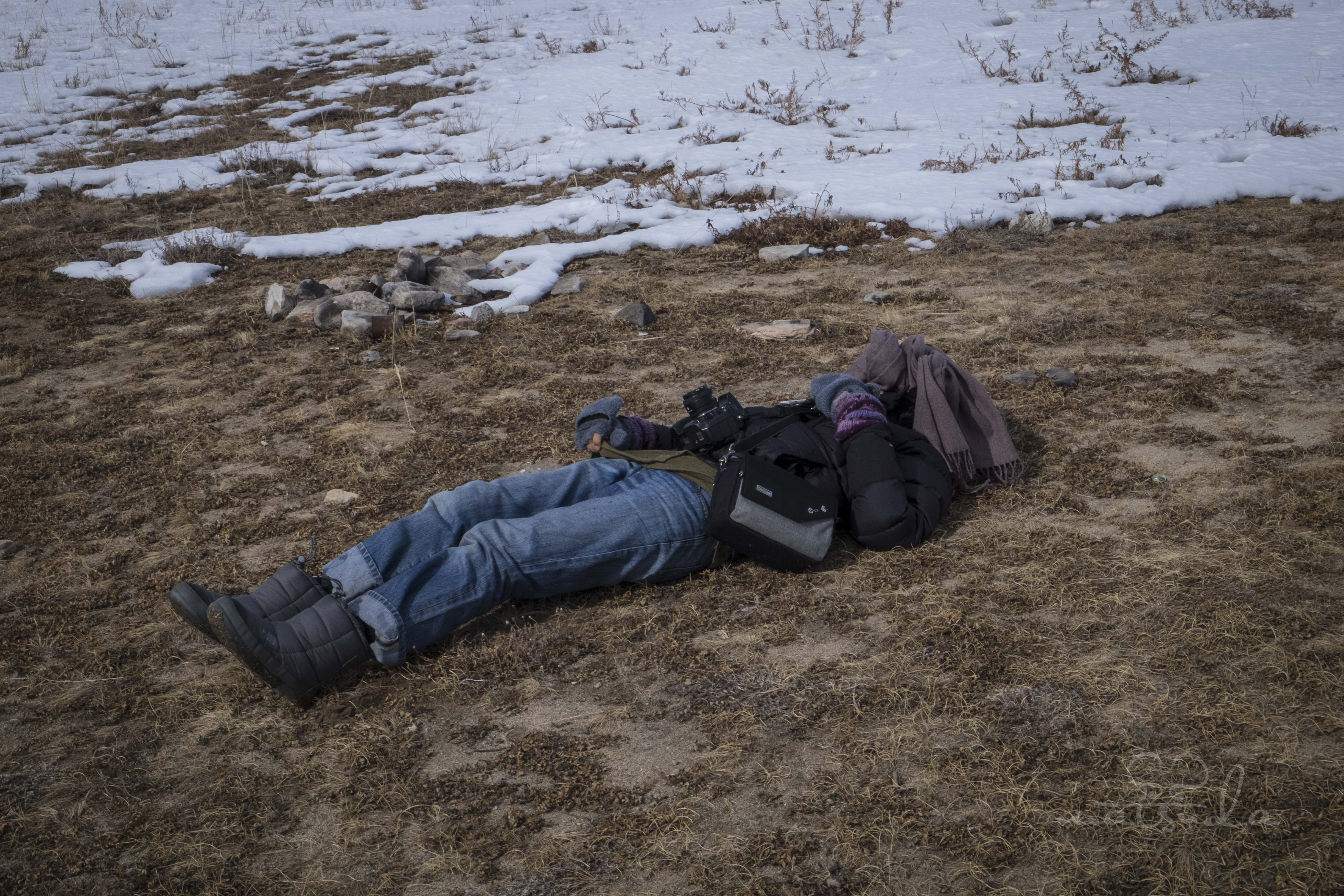
#metime ~ Resting time before lunch at Lake Baikal, thanks Azli for this photo
We took a public bus back from Olkhon Island to Irkutsk for about 800 rubles per person, then grabbed a car from the bus station to our hostel, which, to our surprise, was only a few kilometres away. (200 rubles or was it 500? 😂 Well… opportunists are everywhere, and things just happen!)
We spent a day wandering around Irkutsk — an industrial city that, in winter, looked rather quiet and grey. Not much to see this round, but who knows? Maybe one day I’ll come back and explore more of Russia’s hidden corners.
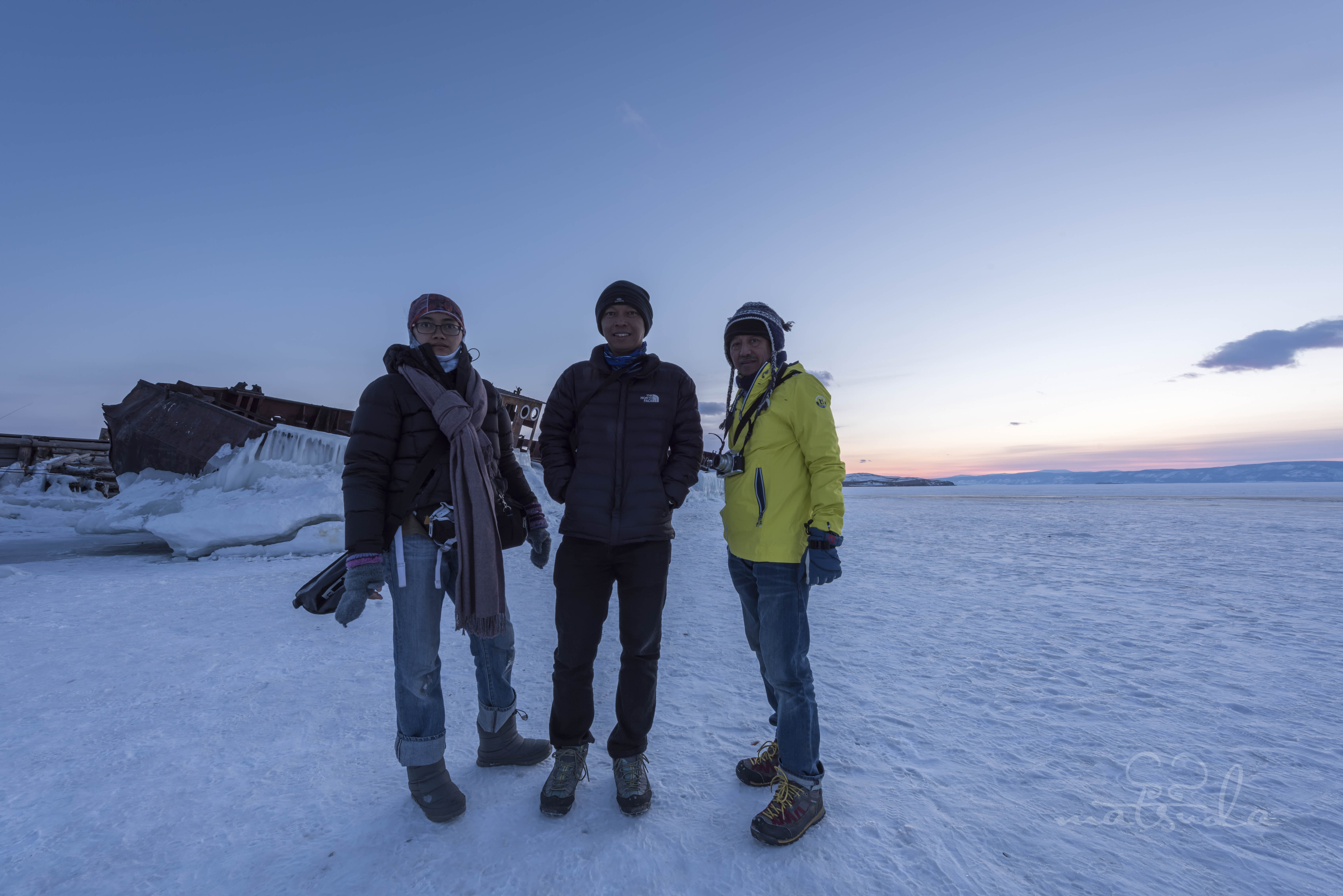
Us in 3 at Lake Baikal, Southeast Siberia, Russia
I won’t lie — it was tough. But that’s the thing: not everyone gets to experience this kind of raw journey, and comfort rarely teaches us anything new. If you want to truly learn about life, you’ve got to step out of your comfort zone.
If there’s one thing this journey taught me, it’s that travelling as a true traveller — not a touch-and-go tourist — changes you. It matures you, challenges your patience, and humbles you. I understand that this kind of adventure isn’t for everyone. The route from Beijing to Ulaanbaatar and onward to Lake Baikal is no easy feat. You need good health, preparation, and a heart that’s ready to embrace discomfort.
And as for me… I’m still pushing myself a little further every day.
Owhhh… I’m getting sleepy now. Power nap calling! Gotta run… bye for now! 😴
Cheers,
MM
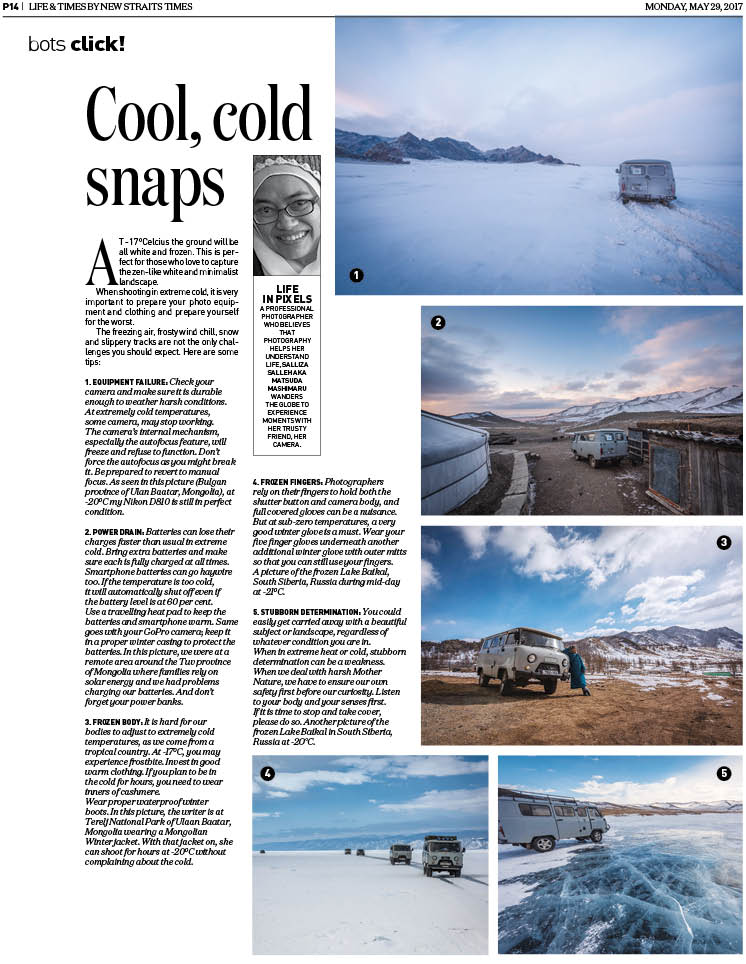
My article in NST click! sharing tips on taking photographs in extreme cold

 I found a new secret hideout in Kuala Terengganu, Terengganu, Malaysia.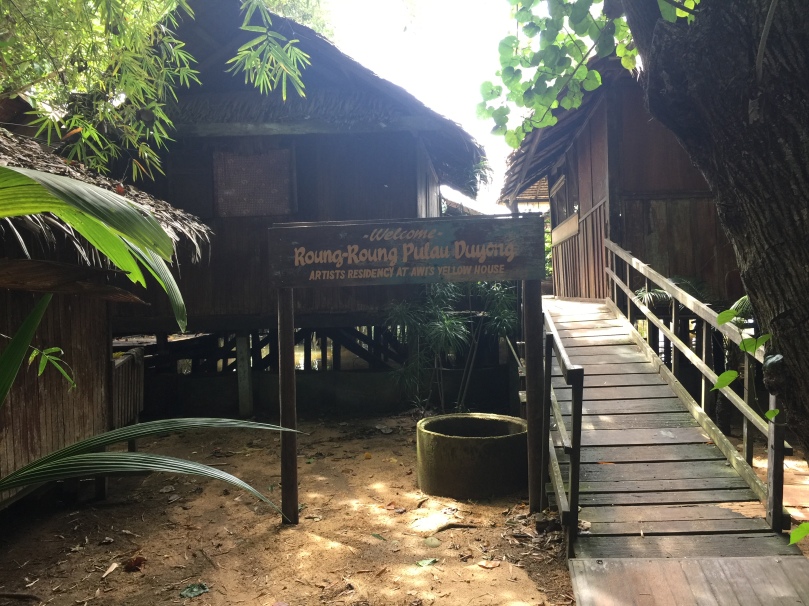













 MATSUDA MASHIMARU