We are in the last 10 days of Ramadan. Out of the 30 days of a blessing month of Ramadan, the last 10 days is the most blessed and anticipated nights. Believers take extra effort to increase their prayers and devotions toward the Almighty during these nights.
A month of self-restraint against food, drinks, wrongful desires, bad habits, negative temptations etc.
Fasting for 30 days in Ramadan month is one of the 5 of Islamic pillars. Fasting is just 1% of the effort while the other 99% is the extra effort that believers need to perform to strengthen their bond with the Al-Mighty.
Fasting is very hard for me with this Gastroesophageal reflux disease (GERD) that I had for almost 20 years.
With my health condition, to be able to fast during this month is a blessing.
I don’t want to miss my train. It’s my personal journey and I hope to fulfill my duty through my own pace. With a strict diet and the right amount of medications, I manage to fast without me ended up injuring myself.
Understanding that every deed of the son of Adam is for themselves except fasting; fasting is solely for Allah. Allah will reward it according to him.
Abu Hurayrah narrated that the Messenger of Allah (ﷺ) said: “Indeed your Lord said: ‘Every good deed is rewarded with ten of the same up to seven hundred times over, except for fasting.’
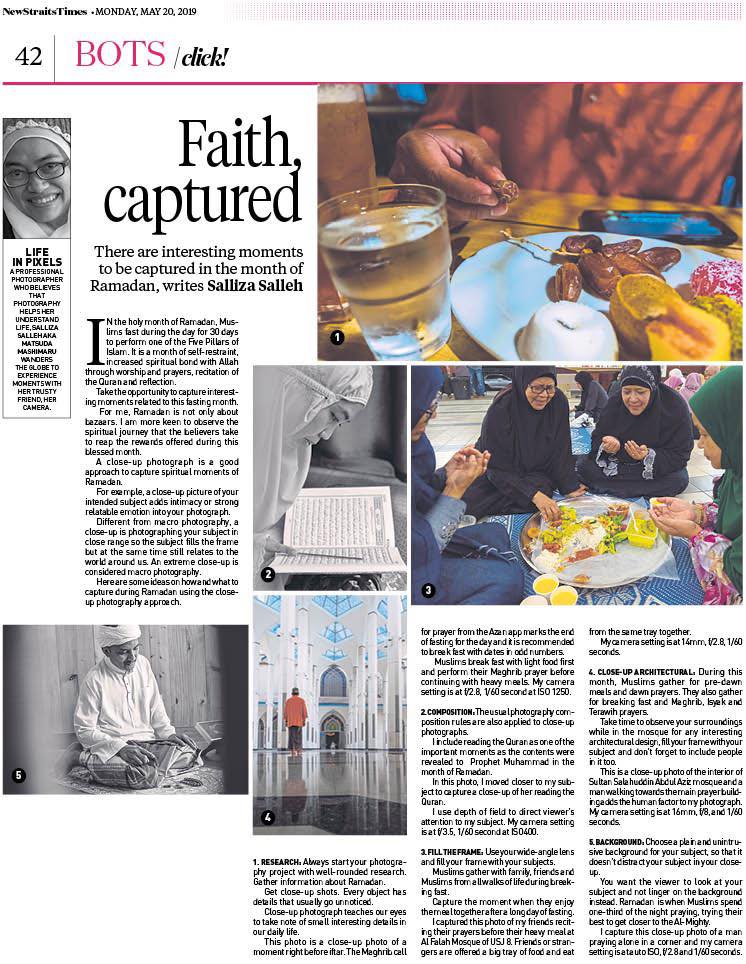
I was assigned to write about Ramadan for my photography article in the News Straits Times this time around. Ideas on what to capture with your camera during this holy month.
having dates of odd numbers during iftar. It is a sunnah food
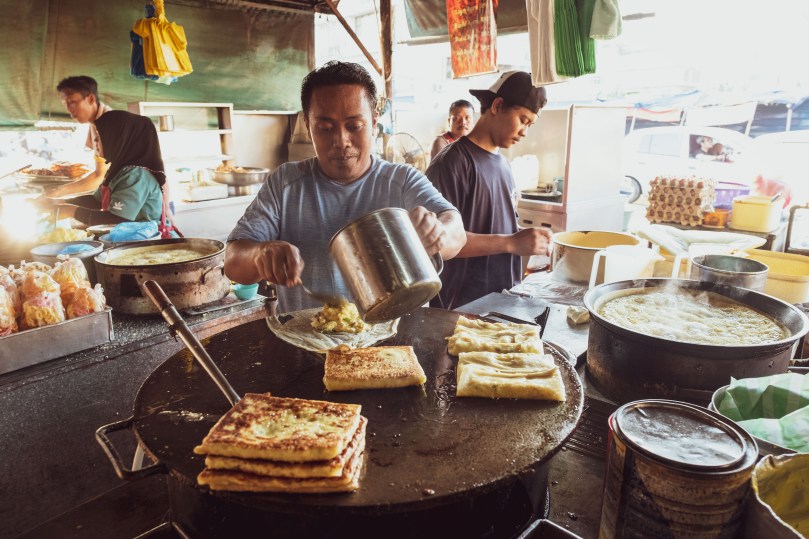
Ramadan Bazaar is the most visited place in Malaysia, you could find it at every corner of the town. Operating between 4pm to 7:30pm. Food heaven where you could get food for iftar in one place. Because of my strict food diet, I don’t frequent Ramadan Bazaar that much anymore.
a food stall selling murtabak, a famous dish for iftar
I decided to skip the food part of Ramadan and focus on how to capture the spirit of Ramadan through close-up photos. A close-up photo adds intimacy or relatable feeling onto your images. Sharing my article here for reading pleasure.
How do I spend my Ramadan month this year?
I tried to discipline myself to be closer to the community of the mosque.
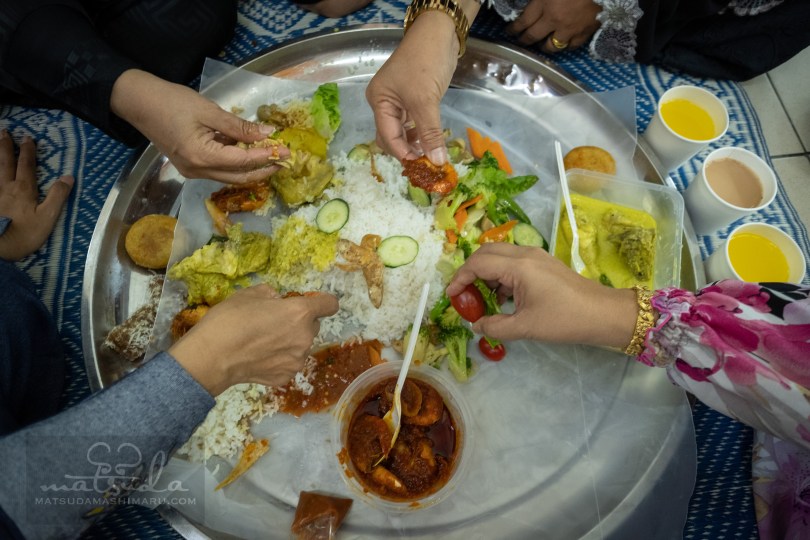
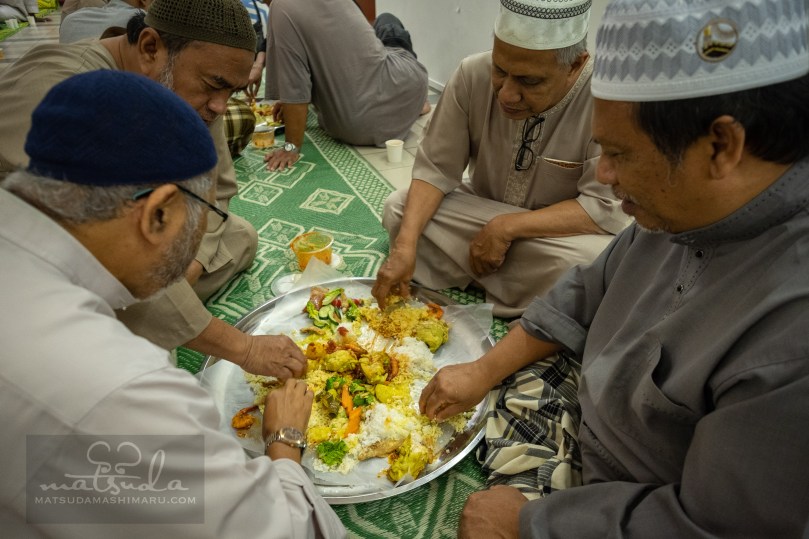
Tried my best to have my iftar with my family and friends at the mosque every day, sharing food in one big tray, eat together, perform our Maghrib-Isyak-Tarawih prayers together, read certain surah from the Quran together.
sharing food during iftar
As I sit quietly at my corner observing my surrounding, I saw one big group of orphan of different ages occupying another corner of the mosque while some corners are filled with believers of different races, different level of lives, poor or rich sat together sharing whatever food served during that day.
I feel humbled. Being broken, I have this unrealistic pride I tried so hard to overcome. That feeling of pride that I should rely on my own, that I am the sole provider for my own needs. Accepting others gratitude is not something I am used too. I am trained to give but not to accept.
Accepting food from others is something that I am not comfortable with. Here I learned to let down my pride and tone down my expectation. Feeling grateful with whatever food served in front of me and not complaining.
sharing food during iftar
Praying together as one big ummah create strong bonding between us. I personally need the motivation boost to excel during the last 10 days of Ramadan. The late-night prayers, the almsgiving aka sedaqah, trying to read as many surahs from the Quran as possible and rushing for suhoor.
Doing all these spiritual activities together within a group make it achievable. I could not do that alone, am a dreamer that would drift into my own cave if I am left alone … cruising in my own world.
The divine journey to get closer to the Al-Mighty is the essence of Ramadan. It is not easy to achieve but it sure is joyful, spiritually joyful.
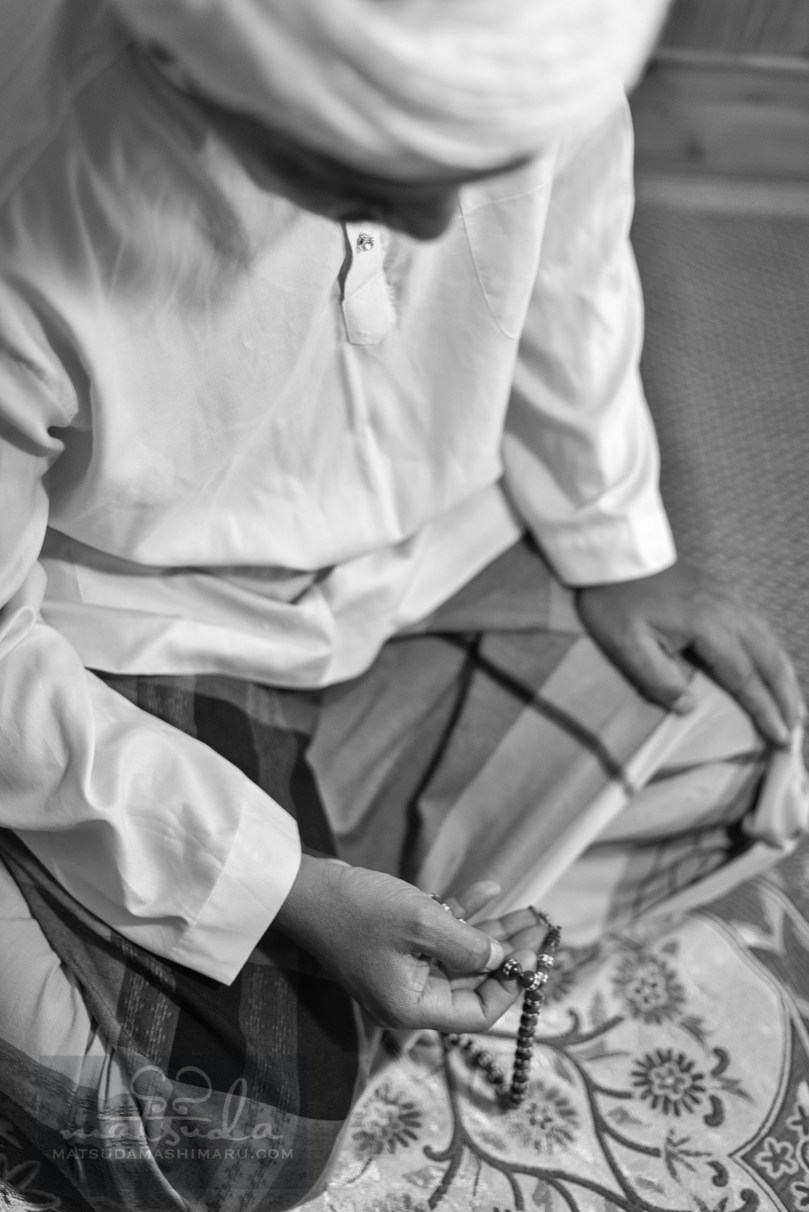
Arissa reading her Quran
A few more days before the month would end. Still feeling that I am not putting my best effort, yet the clock still continuously ticking.
Will I be able to experience another Ramadan again next year?
“Oh, I’ve been busy.” “Much busier than you.” As if life has turned into a quiet competition on who is carrying the heaviest load.
To me, being busy often sounds less like a fact and more like an excuse. A polite way of saying, I chose not to spend my time with you. Because time, after all, is never truly lost. Mind you, that time is allocated. And when someone tells you they are “too busy,” what they are really saying is that their time has been given elsewhere, to something or someone they deemed more important in that moment.
It’s a hard truth, but an honest one. We all make choices. We all prioritise. And sometimes, “busy” is simply the safest word to hide behind when we don’t want to admit those choices out loud.
Hmm… perhaps I’m being a little grumpy in my introductory paragraph. Excuse me, just a moment of honesty slipping out. Lol.
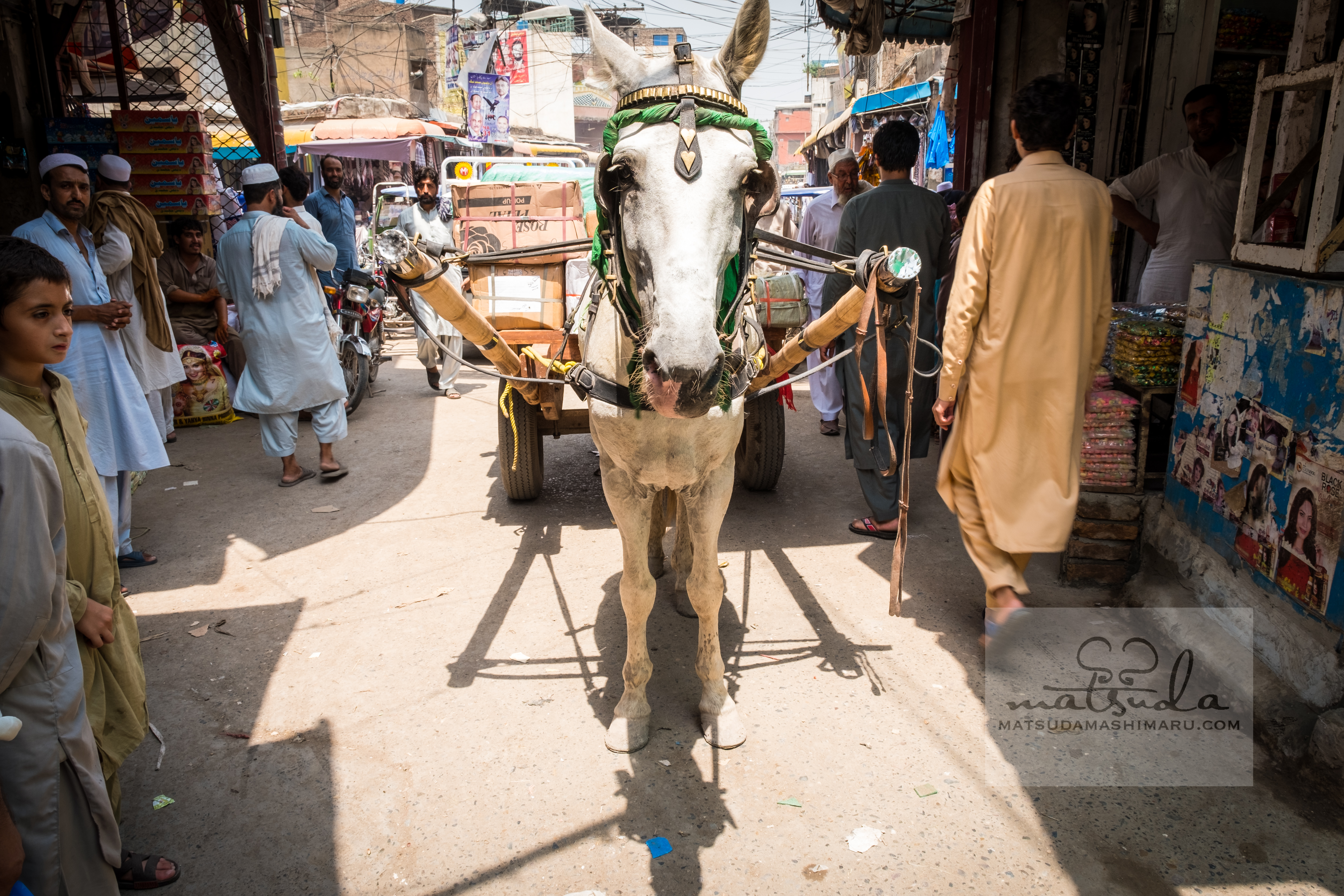
A carrier horse in the middle of the Peshawar market
Me? Yes! I’ve been busy too. Busy in the way life usually is. Busy catching up with… I don’t know. Maybe work, life, or simply recovering from one back-to-back trip after another.
But even in the middle of that chaos, I still make time. Time for the people I love. The three souls I hold closest, my pets and my mum. Because no matter how full my days are, the things that matter don’t get pushed to the side … they get protected.
And strangely enough, despite how exhausted I am right now, there’s a deep sense of satisfaction sitting quietly with me. That familiar reminder: do what you love, love what you do.
I think I love myself most when I’m wandering through unfamiliar lands … when I’m small, curious, and alive … more than when I’m at home, overthinking and worrying about a future that has never once followed my plans anyway.
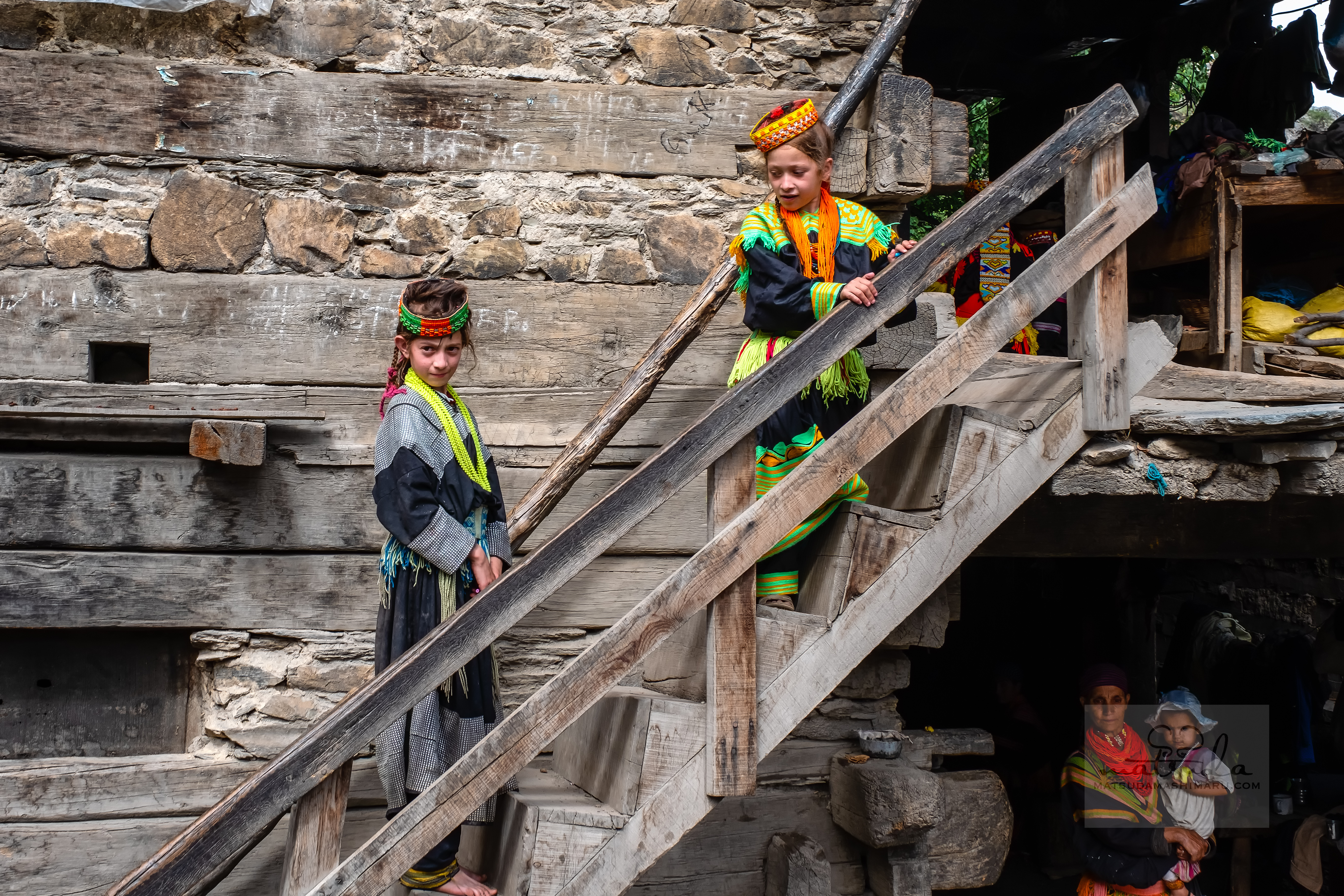
Kalash kids in front of their home
I was in Pakistan for the second time last July, travelling once again with my trusted travel mates.
This time, our intention was clear. We were to visit the Kalash people of northern Pakistan. The journey itself was already an adventure. We took a domestic flight from Islamabad to Chitral, followed by a long, winding jeep ride into the remote Kalash Valley. Each turn pulled us farther away from the familiar and deeper into the mountains.
Nestled within the mighty Hindu Kush range, the Kalash Valley is geographically harsh and undeniably rugged. Life here is shaped by altitude, weather, and isolation. But for someone who loves nature, would truly love it — this place is breathtaking in a quiet, humbling way. Towering mountains, raw landscapes, and an overwhelming sense of distance from the modern world make you slow down, look longer, and feel smaller.
It is not an easy place to reach, nor an easy place to live. And perhaps that is exactly what makes it so beautiful.
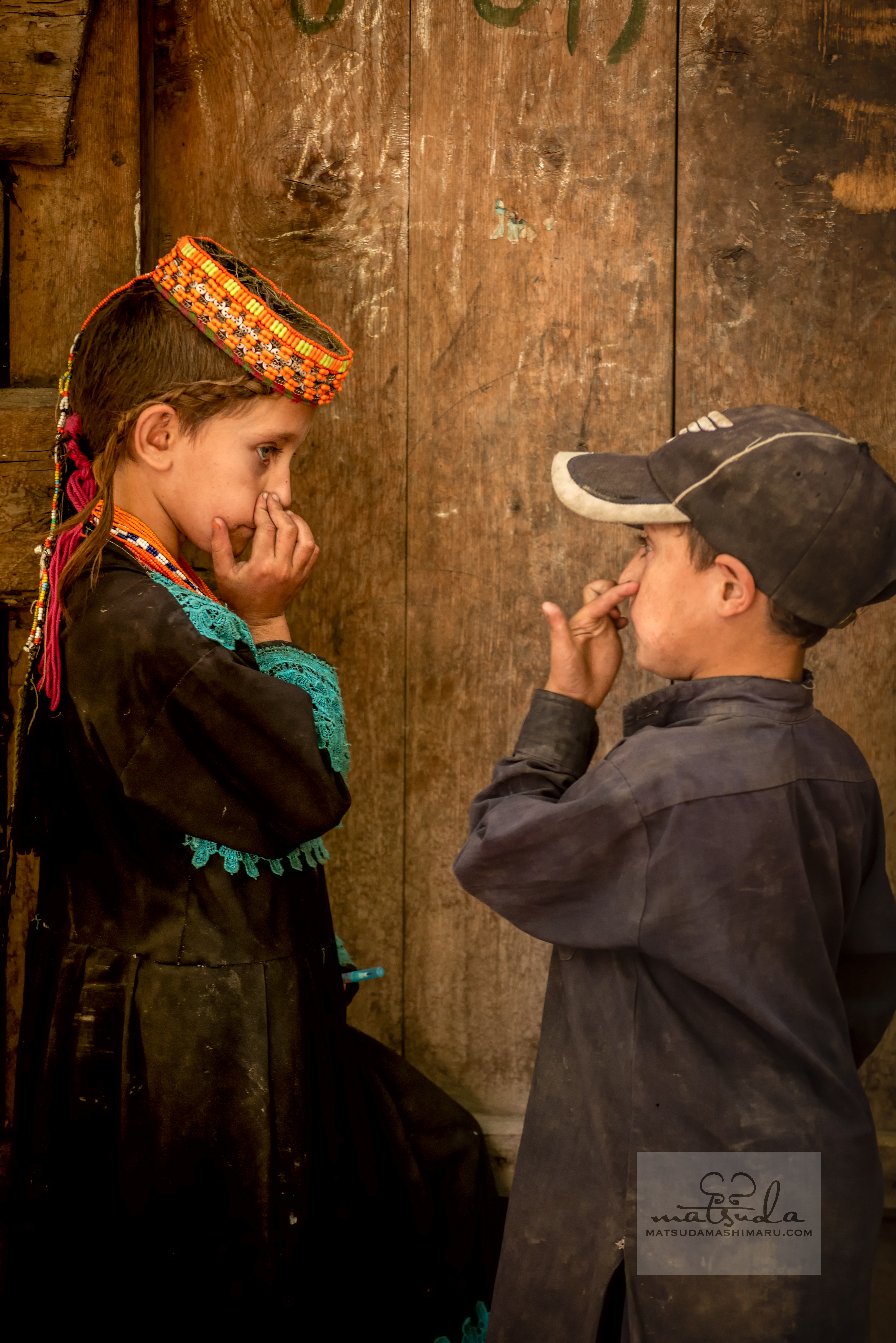
I am not sure what kind of game these 2 children from the Kalash valley were playing
In a country where Islam is the dominant religion, the Kalash stand apart as one of Pakistan’s last indigenous mountain communities still holding firmly to their ancestral beliefs. Numbering an estimated three thousand people, the Kalash continue to practise their ancient pagan religion, along with customs and rituals passed down through generations.
Over time, some members of the Kalash community have converted to Islam, choosing to leave behind parts of their traditional belief system and adopt a Muslim way of life. Yet they continue to live alongside their families and neighbours within the valley, a quiet coexistence shaped more by geography than ideology.
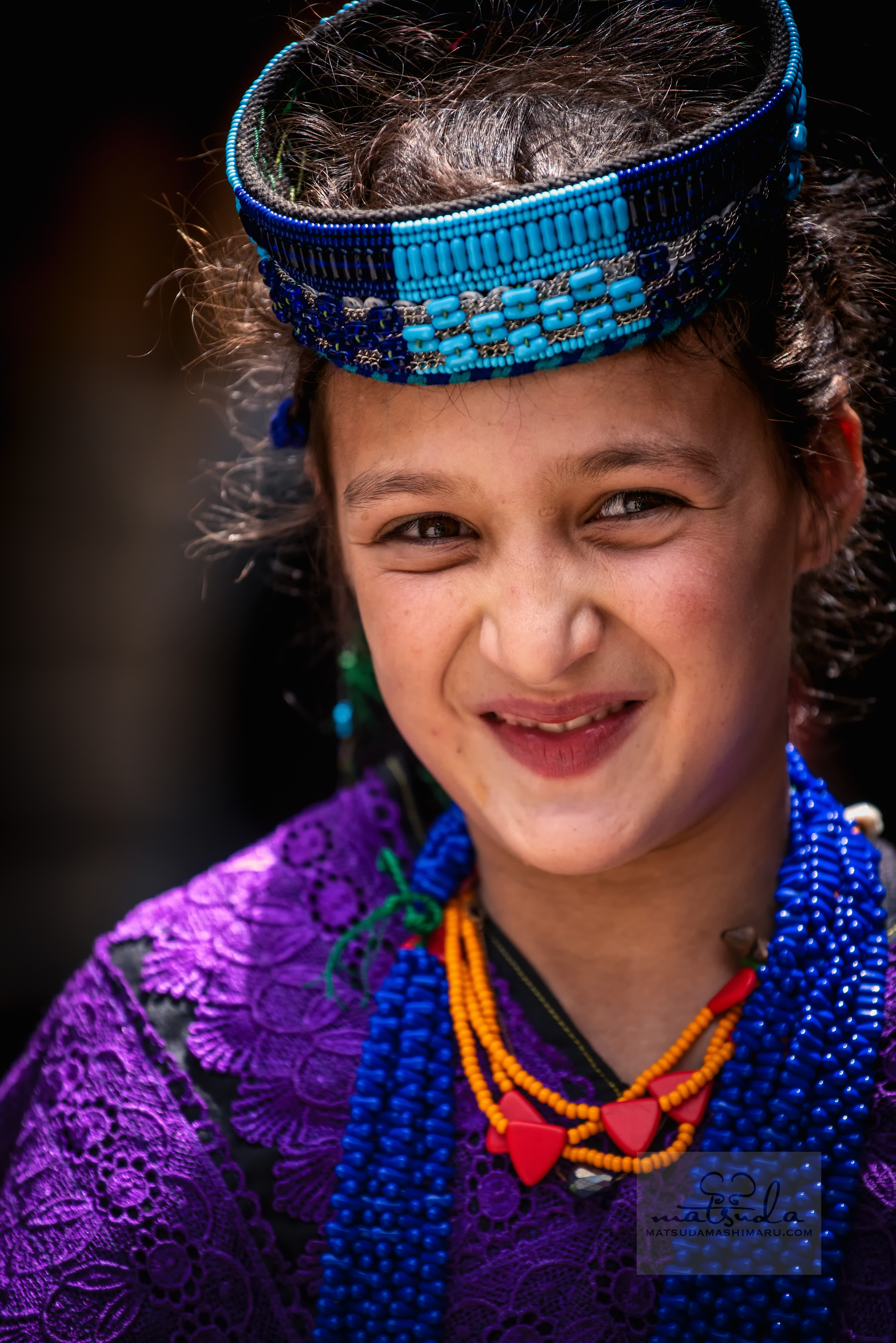
What immediately catches the eye are the Kalash women and girls. Every day, they wear thick, black embroidered robes, paired with distinctive headdresses and layers of heavy bead necklaces. Their attire is not reserved for ceremonies or festivals. It is part of daily life, a visible expression of identity and continuity. The men, on the other hand, dress much like other Pakistani men, wearing kurta shirts that blend seamlessly into the broader cultural landscape.
Despite the simplicity of their surroundings, the Kalash live vibrantly. Their colours, rituals, and way of seeing the world feel deeply rooted and unapologetically their own. For me, it is a culture that invites curiosity — one that deserves to be observed slowly, respectfully, and with an open mind.
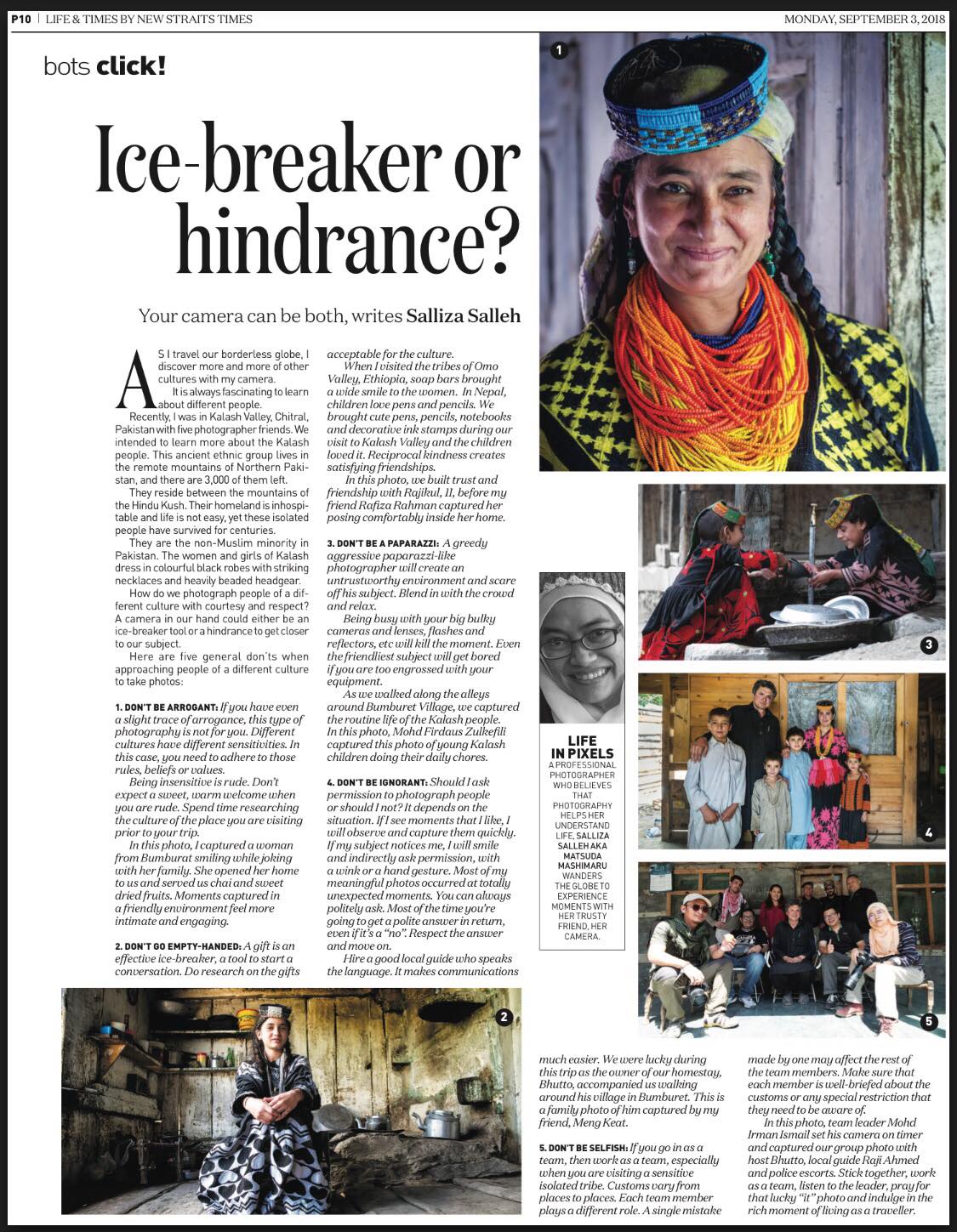
My article in NST on how to photograph other cultures
Summer had just begun when I touched down in Islamabad.
It felt slightly ironic, because I almost never choose to travel during the summer. I usually plan my trips around the tail end of winter, spring, or autumn … anything but peak heat. Coming from a country that is hot and humid twenty-four hours a day, seven days a week, I would rather stay home than voluntarily experience another country’s version of summer.
Chitral and the Kalash Valley were easier to handle. The temperatures were similar to home, but the air was drier and often carried a cool mountain breeze. That alone made a huge difference. The heat existed, yes … but it was breathable, almost forgiving.
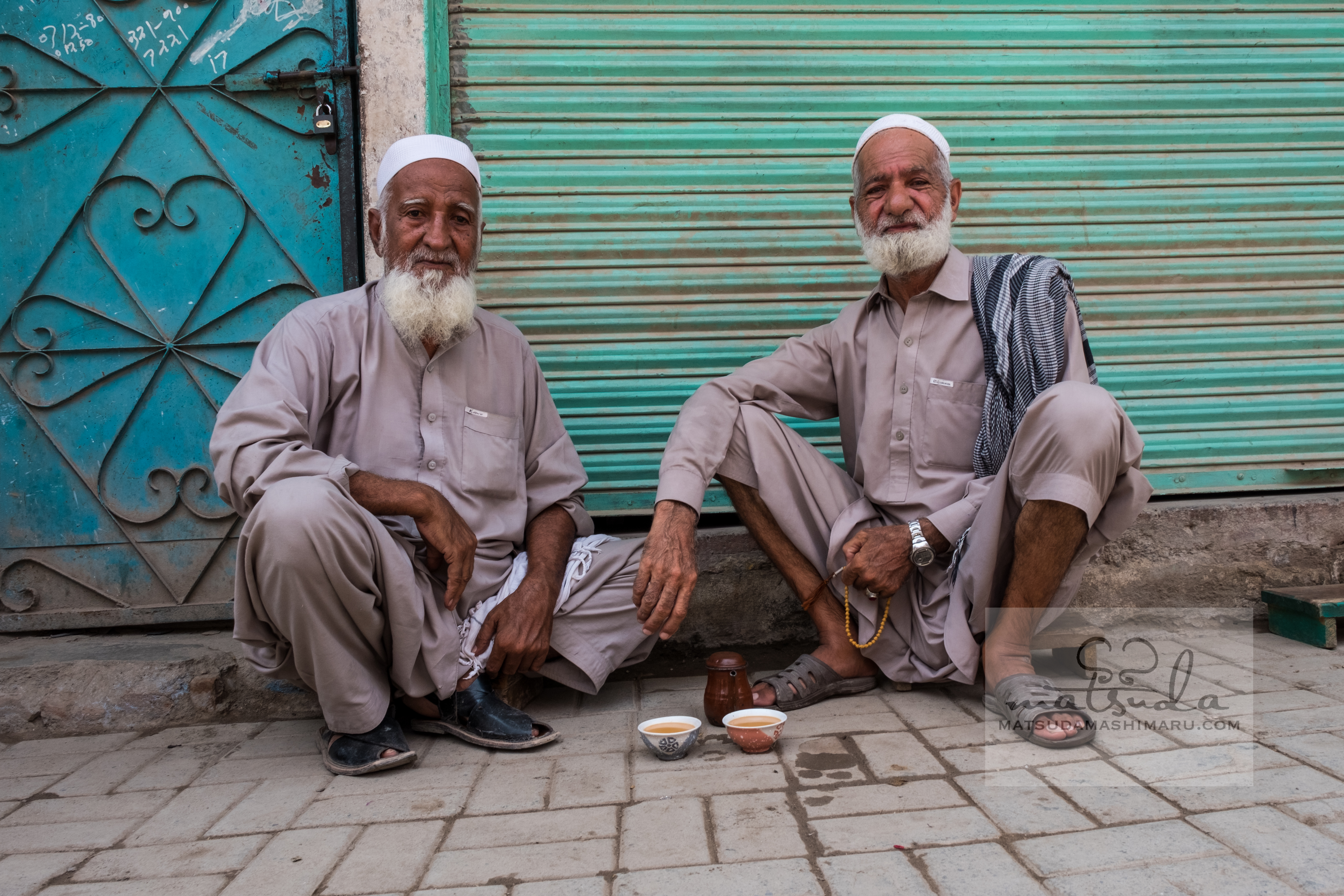
Morning chai at a street in Peshawar
Peshawar, however, was a completely different story.
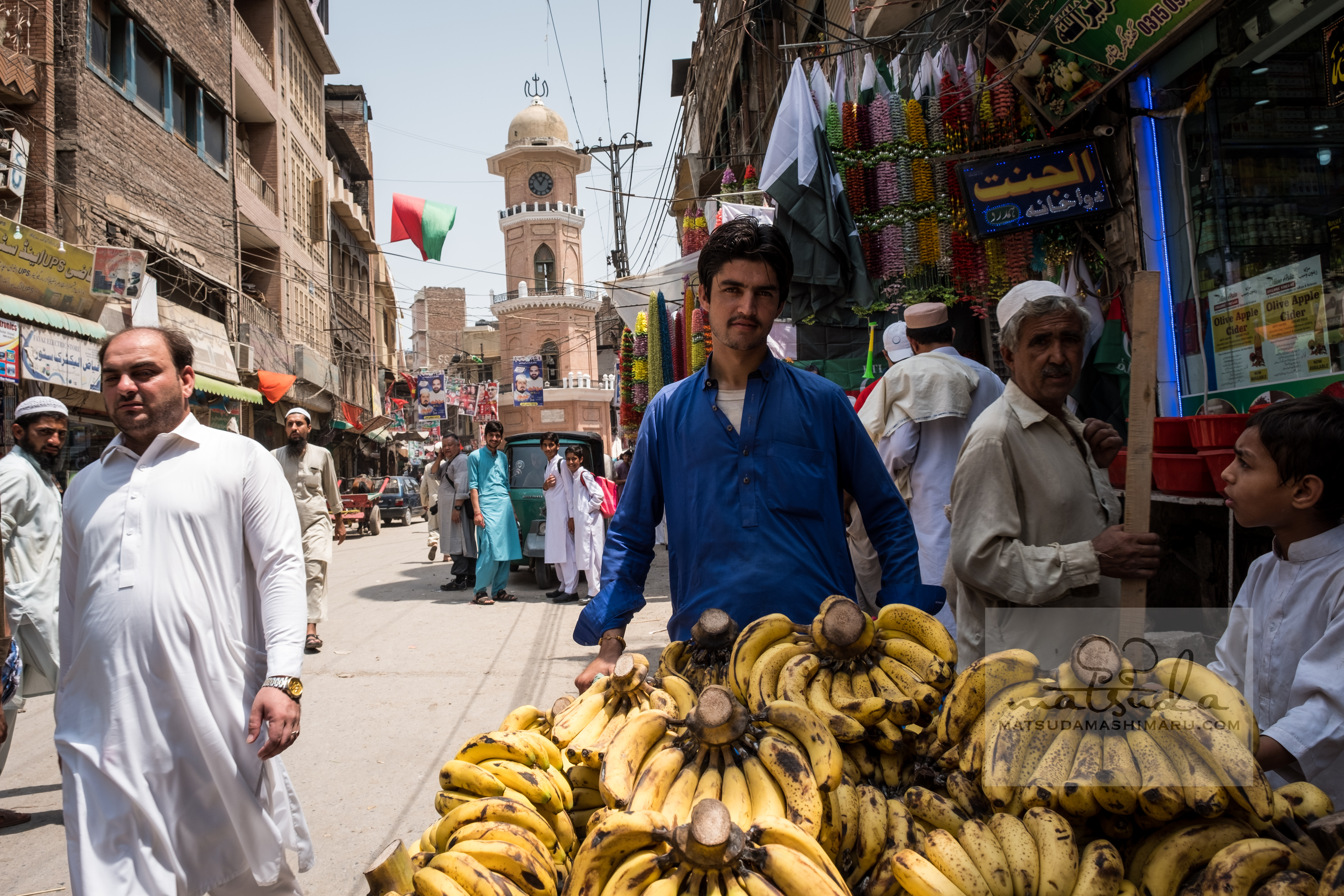
Summer in Peshawar is… wow. Challenging. With daytime temperatures reaching around 38°C but feeling more like 42°C thanks to the greenhouse effect, the heat clings to you. Walking through the narrow market alleys, hemmed in by concrete, crowds, and sun, was not exactly something I looked forward to. Each step felt heavier than the last.
But well… I survived Peshawar. And sometimes, survival itself becomes part of the travel story.
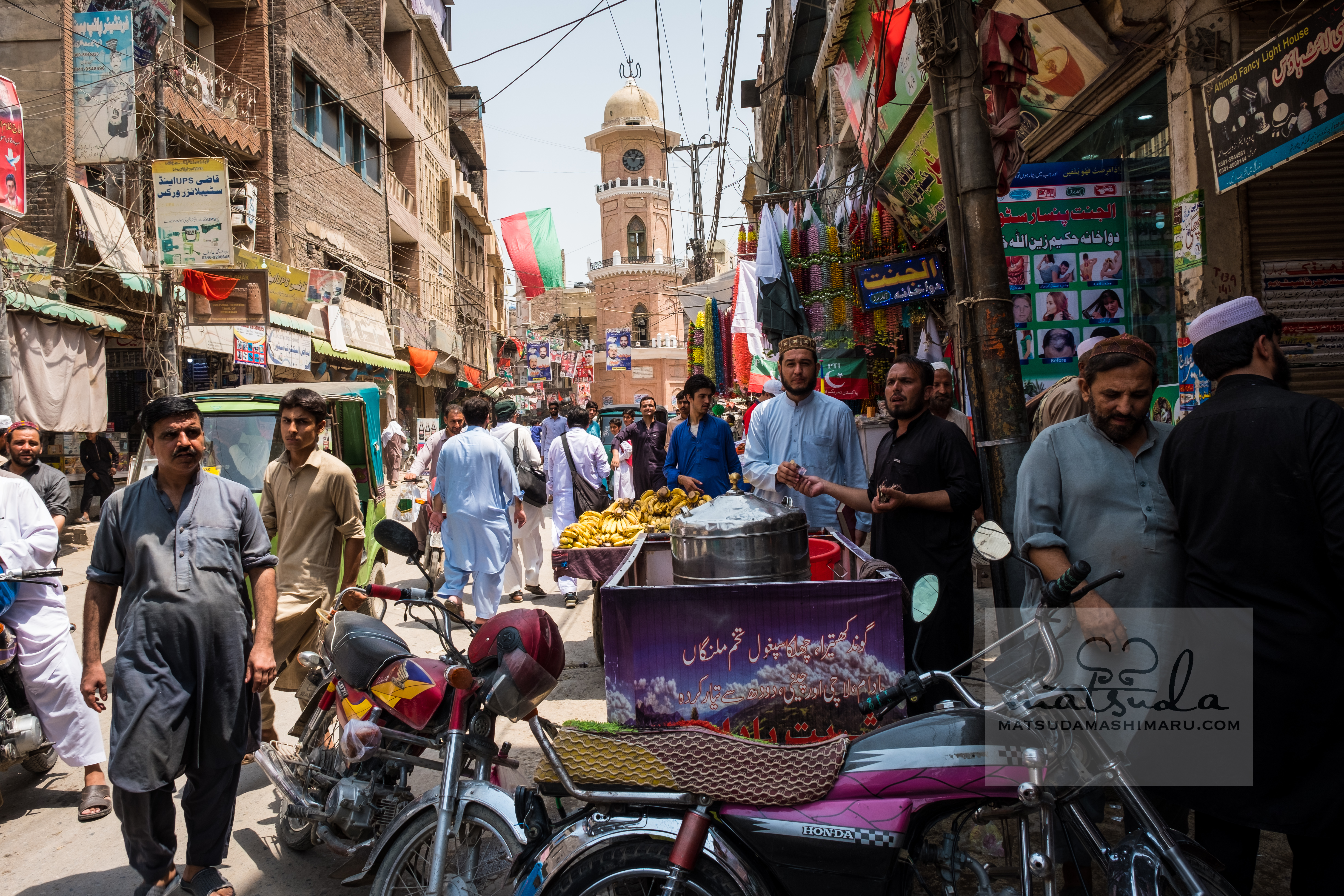
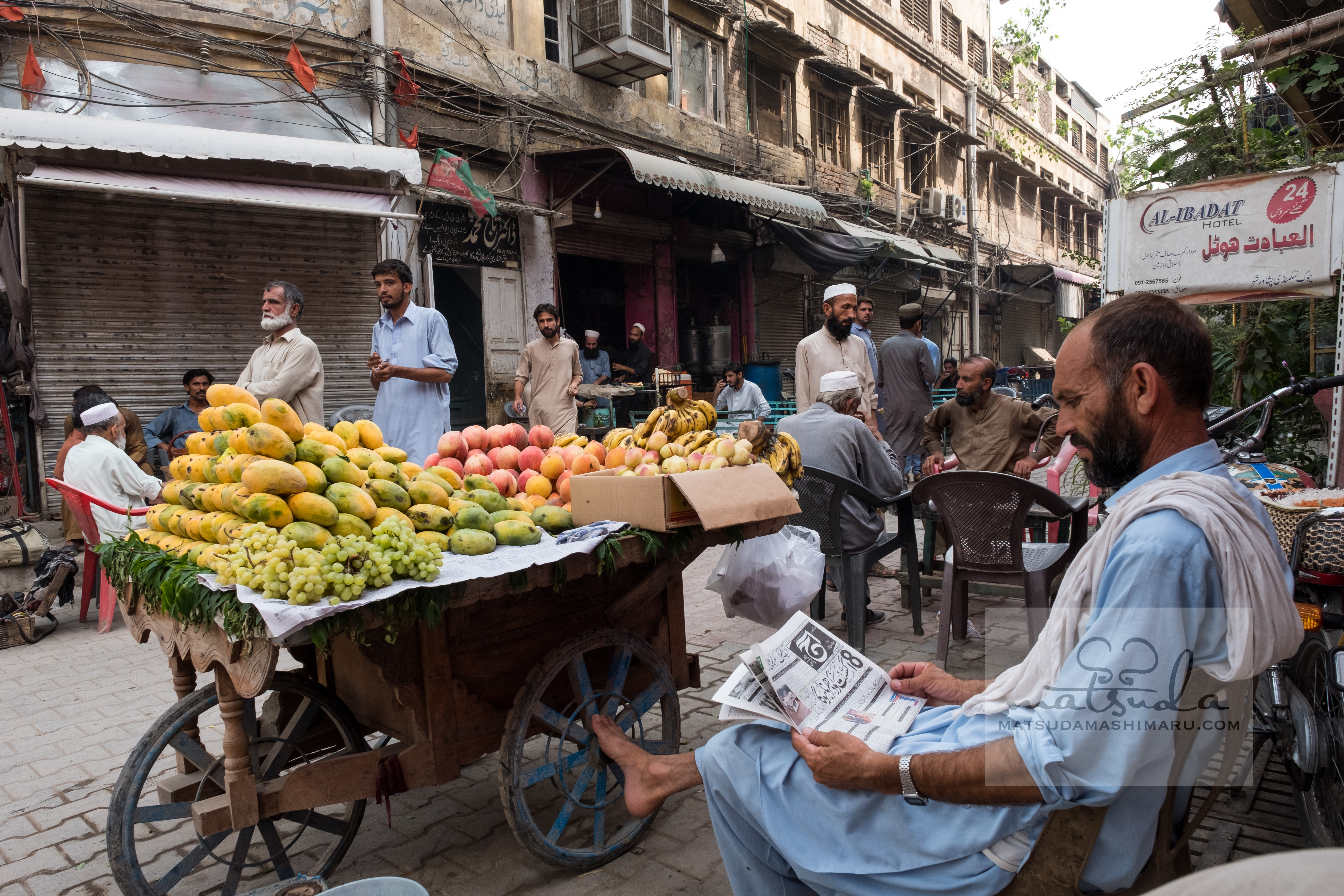
Busy street of Peshawar’s old city market
I have always wanted to visit Peshawar.
Years ago, during my university days, one of my professors was from Peshawar. He has since passed away. Taken by dengue a few years ago, but I still remember our conversations clearly. He once told me, very confidently, that the tomatoes in Peshawar were as big as mangoes.
Naturally, that caught my attention. Tomatoes as big as mangoes? Really? Where does one find such a thing?
Half-joking, half-serious, I told him that one day I would love to visit his hometown, Peshawar, just to see those legendary tomatoes for myself. He laughed, then immediately warned me, “Please don’t go to Peshawar. That place is dangerous. Not somewhere you should walk around.”
Of course, my curious mind has never been very good at listening to the word no.
So there I was, years later, walking through Peshawar … alert, cautious, but very much alive. And yes, I checked the tomatoes.
They were… normal. Exactly the same size as the tomatoes back home in Malaysia.
I smiled to myself. Not disappointed. Just amused. Some stories aren’t meant to be proven true. They’re meant to stay as memories, attached to people who once told them with conviction, humour, and love for their hometown.
Busy street of Peshawar’s old city market
Walking the streets of Peshawar as a woman with a camera is not exactly easy. Local customs must be respected, and proper dressing is a must. I wore my favourite black abaya — yes, even in the summer heat — and surprisingly, it helped with the sun. But my gender quickly became a practical obstacle. Walking alone through the markets wasn’t an option; I needed a male companion to navigate safely. Thank God my local guide was both helpful and friendly, which made the wandering process much smoother and far more enjoyable.
Morning crowd around my hotel in Peshawar, Pakistan
Now, sitting at home and finally recuperating, I ask myself: what do I remember most about Peshawar?
Uhhhh… the food.
I had the most incredible lamb stew of my life. Guys, even better than anything I’ve tasted in Xinjiang. Every meal felt different from what I had in Islamabad, Chitral, or Skardu. I was told that Peshawar’s cuisine is infused with Afghan influence, being just 57 km from the Afghanistan border. And now… naturally, curiosity strikes: what’s the food like in Kabul? Hmmm… one day, I must find out.
For eleven days straight, I overindulged — lamb, chicken, lamb again — three meals a day. Never in my life have I eaten this much meat in a single day. Masya Allah. And it was a happy Masya Allah, because I love lamb. Not to mention, I needed that extra energy for wandering, climbing alleys, and, of course, carrying my ridiculously heavy camera bag.
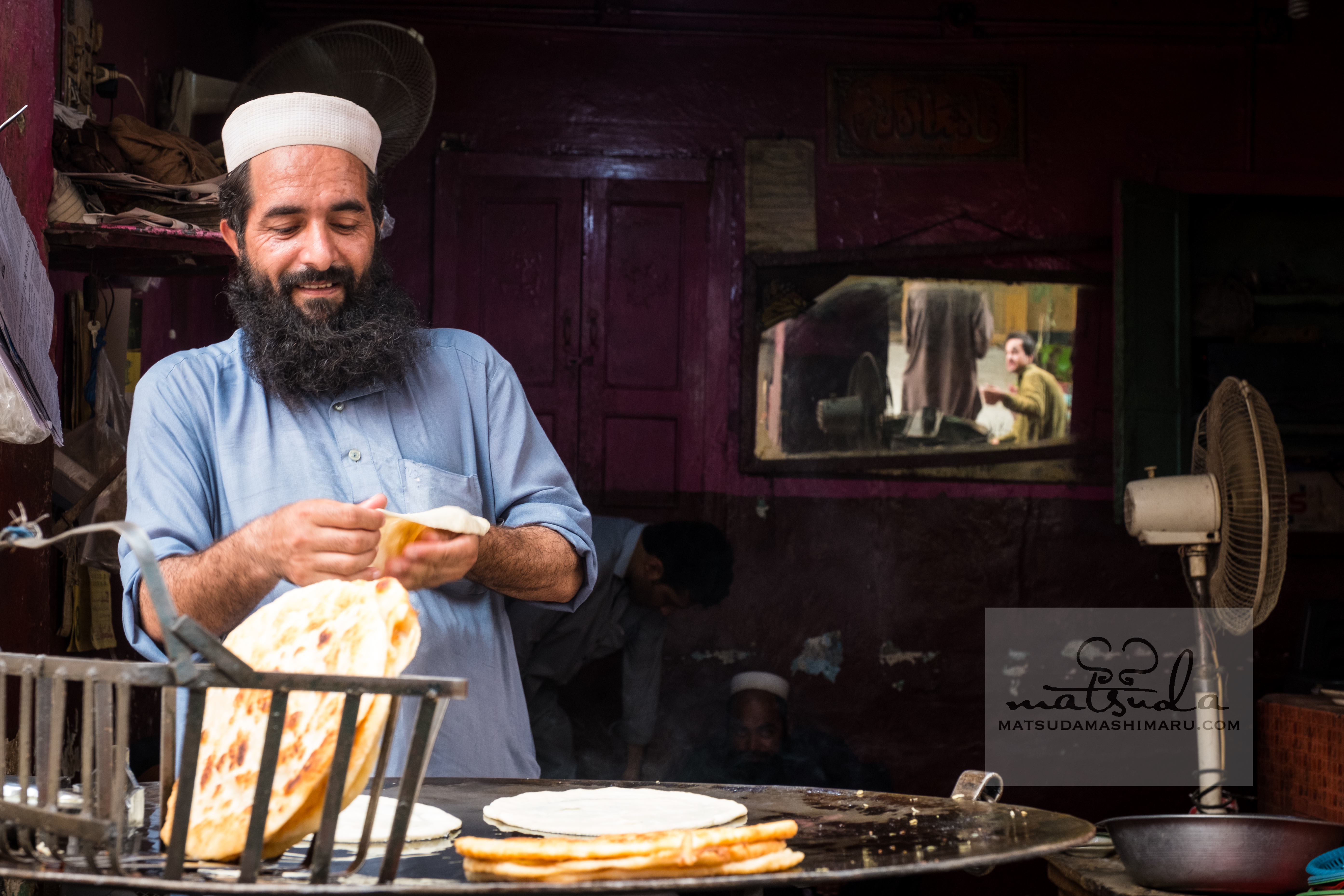
My breakfast … roti
What an experience.
I can see myself returning to Pakistan, over and over again. There’s a pull there … the mountains, the valleys, the rawness of the land, the warmth of the people. I can almost feel myself hiking those majestic peaks around Skardu, breathing in the crisp air, and catching the subtle, icy scent of glaciers.
Maybe it’s time to start strengthening my knees and legs — you know, actually preparing for those climbs. I should start tomorrow… or maybe the day after… lol. In Sha Allah, the mountains will wait, and I’ll be ready.
Because if there’s one thing I’ve learned, it’s that the world always rewards the curious, the persistent, and the slightly stubborn. And yes… I fit that description perfectly.
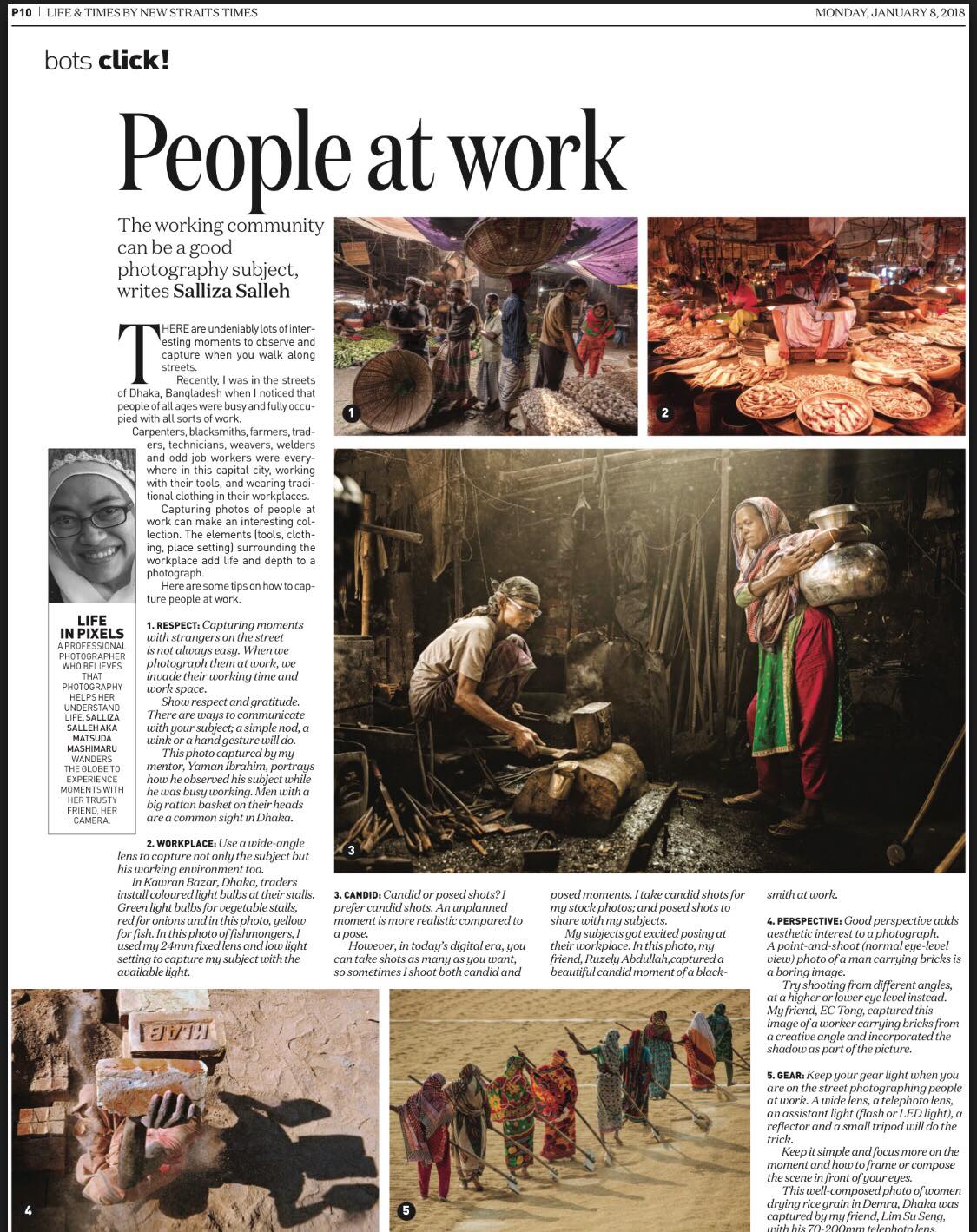
It was all about capturing moments of human interest when I was in Dhaka, Bangladesh recently. My first time and like always, I have a zero expectation of this place … I was like ok Dhaka surprise me, please.
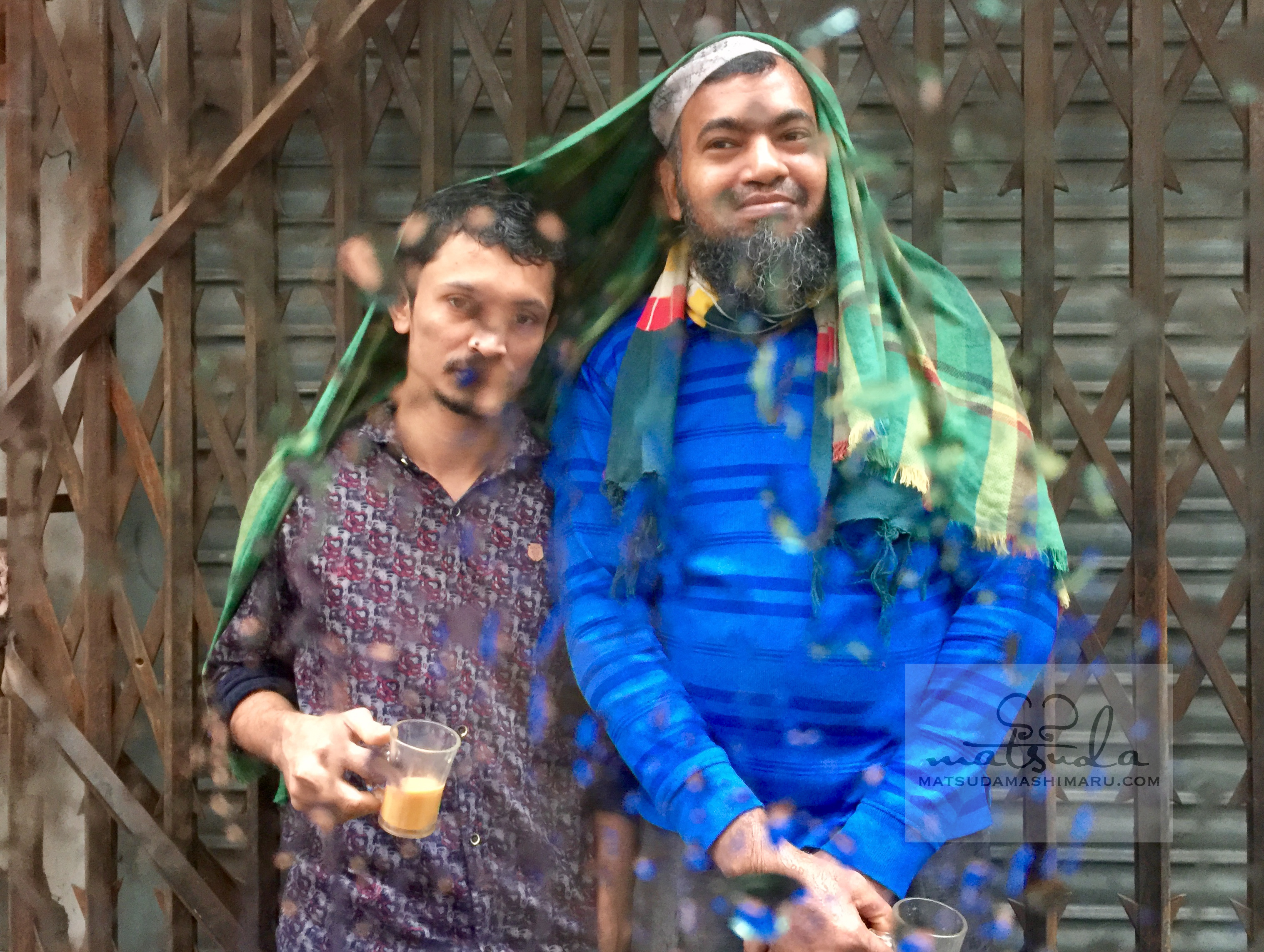
Friends shading from the early morning rain on the street of Dhaka
It rained cats and dogs during the first 3 days of my 6 days stay. But being a hardcore wanderer … the rain couldn’t subside my curiosity. I was out wandering along the markets and back lanes of Dhaka … in the rain.
My first impression was that the street smells pleasant.
Surprisingly Dhaka is way cleaner than India, 10 times cleaner than India … I shall think so. At least the street is not treated as the public toilet by the 18.2 million city residents. People everywhere seemed busy and fully occupied here.
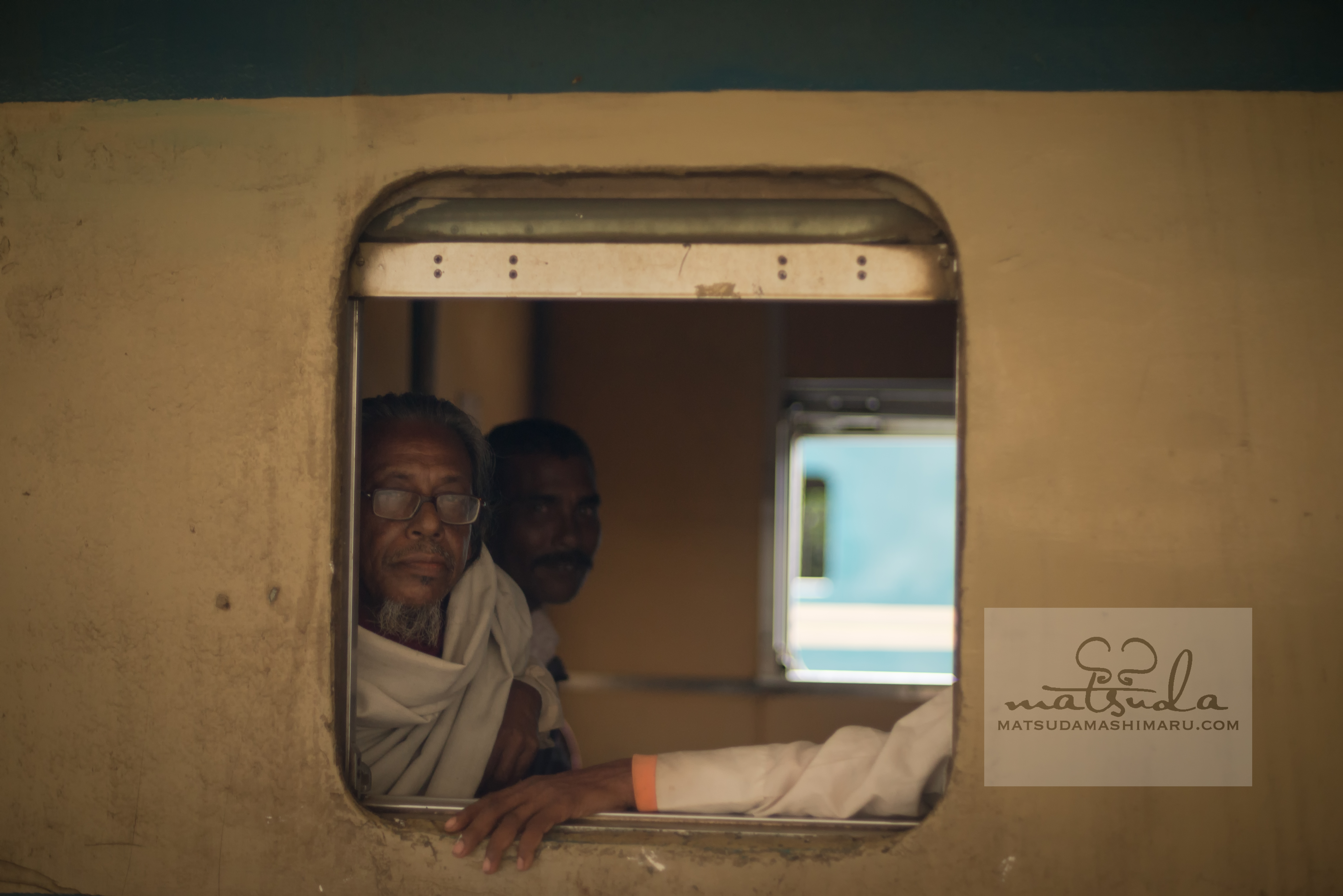
A peak from the train window in Dhaka
My second impression is … the food is good.
It tastes about the same as in India, Pakistan and Nepal. And my taste buds think that the biryani here is very delicious and I had mutton biryani for almost every day here too. Sharing a clip video ↓ of my obsession with mutton biryani … obsession lol?
We traveled in a big group this time around … 15 of us scattered around the street yet we saw completely different views. How awesome was that? When I saw my friends posted their version of ‘the street of Dhaka’, almost always I would pound my head and asked myself about why oh why I did not see it from their angles.
It is proven then … every each of us is unique in our own way.
Hard life for an honest living in Dhaka
As I strolled along the streets, villages and some back alleys I saw hard work and hard life here … yet the people of Dhaka is rich in hospitality. Walking and talking with strangers has never felt a burden here … some even invited us to their homes for a cup of cha or tea.
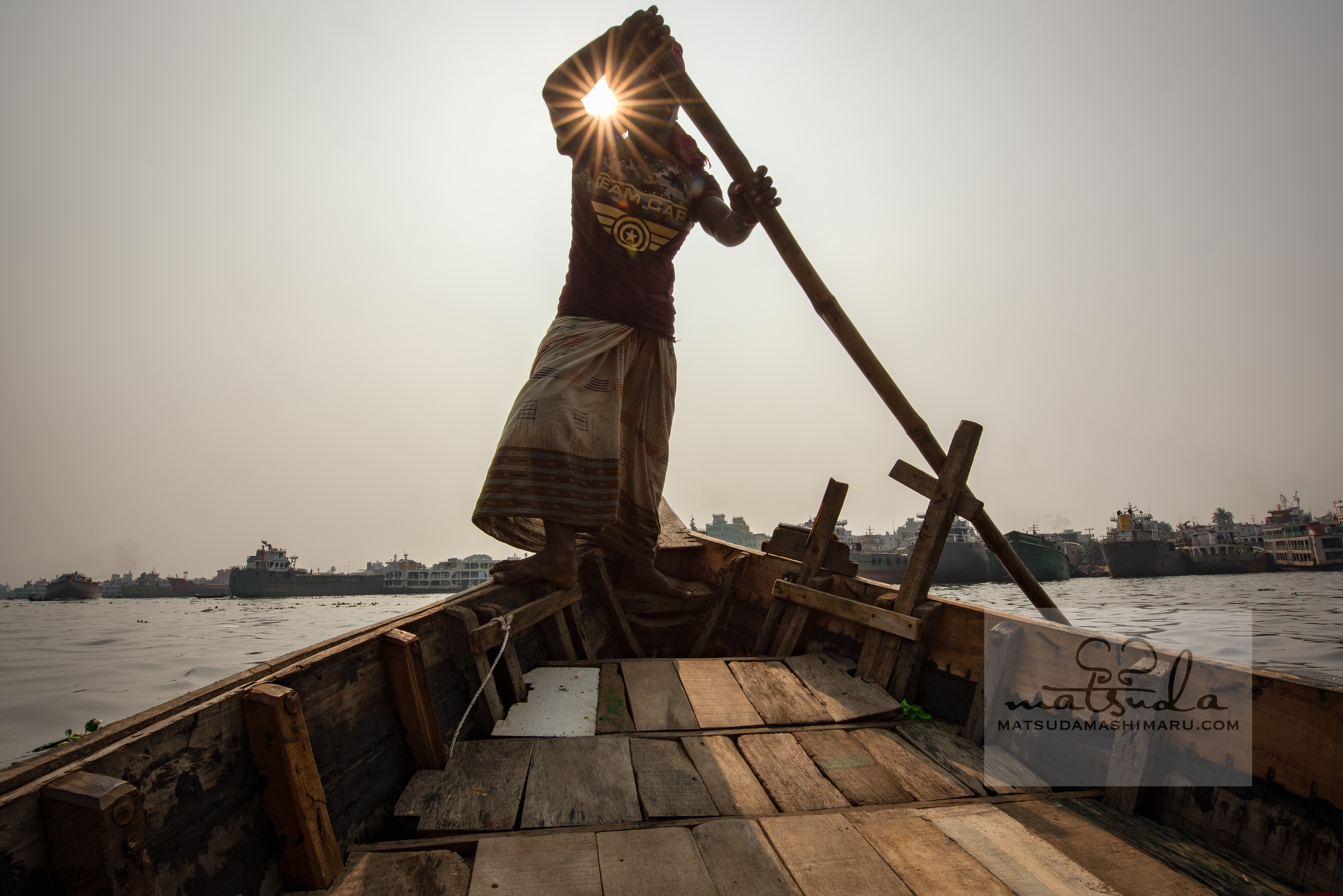
A boatman trying to make an honest living in Dhaka
To be honest, there are hundreds and probably thousands of Bangladeshi working here in my home country Malaysia. I see them everywhere and every day too. When I posted my whereabouts to a group of friends … they jokingly teased me on why the need to be in Dhaka when I can just hang out at Pasar Borong Selayang (a wholesale market in the heart of KL) or the famous Chowkit road and just be surrounded by them?
It is normal to have that tendency to treat foreign workers at your country home differently ( I guess I am guilty too) but being in Dhaka … experiencing just a few days living in their home country does change my perspective.
I see them in a different way now … a more human way of looking at fellow humans trying their best to survive in the high-density human populated area on our one and only earth.
Boats at Buriganga River in the middle of Dhaka
Would I recommend Dhaka for your next trip? Should I repeat for another round of trip exploring Dhaka?
………. absolutely, yes!
Thanks for dropping by here at my space… on the last day of 2017. Resolution time … resolution … resolution. Bye …
Cheers
MM
ps: my January article in NST bots on ‘People at Work’ with Dhaka as the background story.
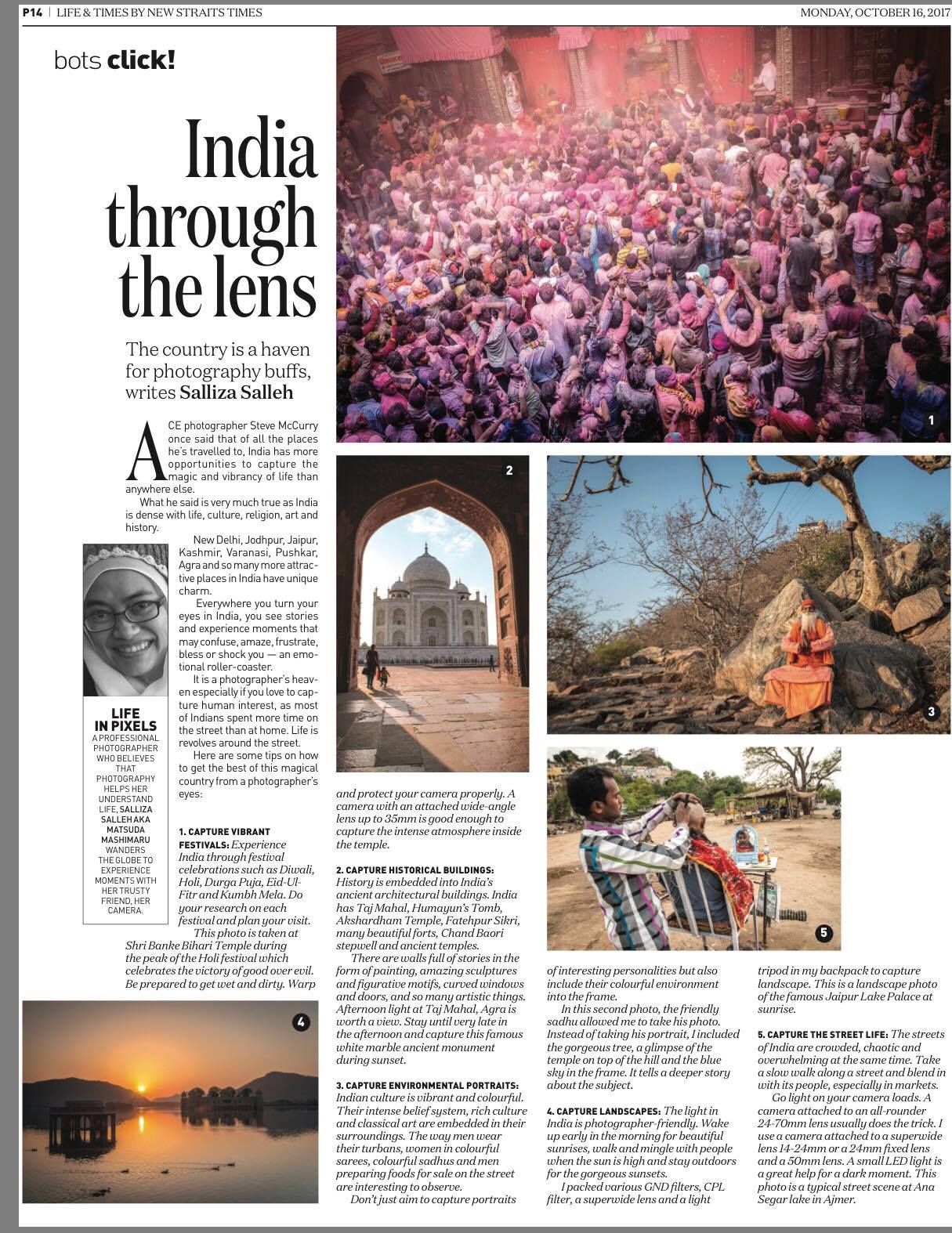
Re-visiting my India’s photos for my latest NST assignment to celebrate Deepavali or Dewali. All these photos bring back memories of me surviving India and I think its time to repeat India again.
I am yearning to experience another round of emotional burst … in India maybe in 2018.
Sharing a few more photos of the bustling street of Old Delhi, New Delhi.
And my article on India for the NST readers is turning out well too, alhamdullilah. I am sharing it here for my own future reference.
Who sees the human face correctly: the photographer, the mirror, or the painter? ~ Pablo Picasso
I am always puzzled when people ask me on what sort of photographer am I? And, before I could even finish answering that question … they’ll start pushing me into another question … do you shoot weddings? I guess everybody with a camera shoot wedding these days.
Not that I don’t shoot weddings. I do. I shoot weddings too if the price worth my effort. It seemed that everybody wanted a piece of a photographer. They expect diamond but paying peanuts. Charging as low as RM500 to cover for a wedding is crazy. With the amount of effort, time and gears used to shoot the lovely groom and bride for a few hours … I think it is just cruelty and an insult to even consider offering that to a photographer.
Me … I tried my best not to negotiate with my potential customer, pay me on how much my work worth to you but bear in mind that I know how much I am worth.
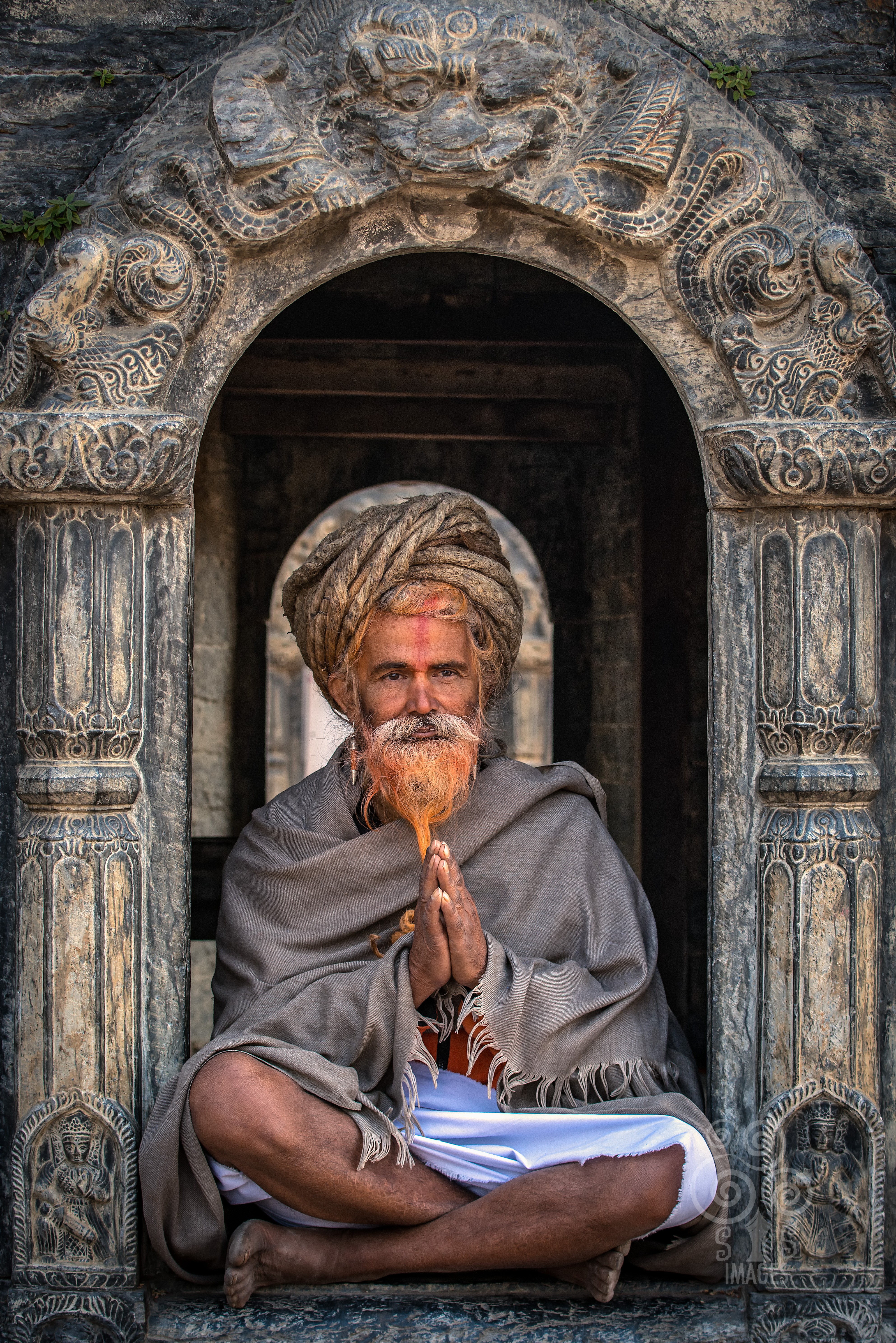
Pose 1: A sadhu that we met at Pashupatinath Temple, Kathmandu, Nepal
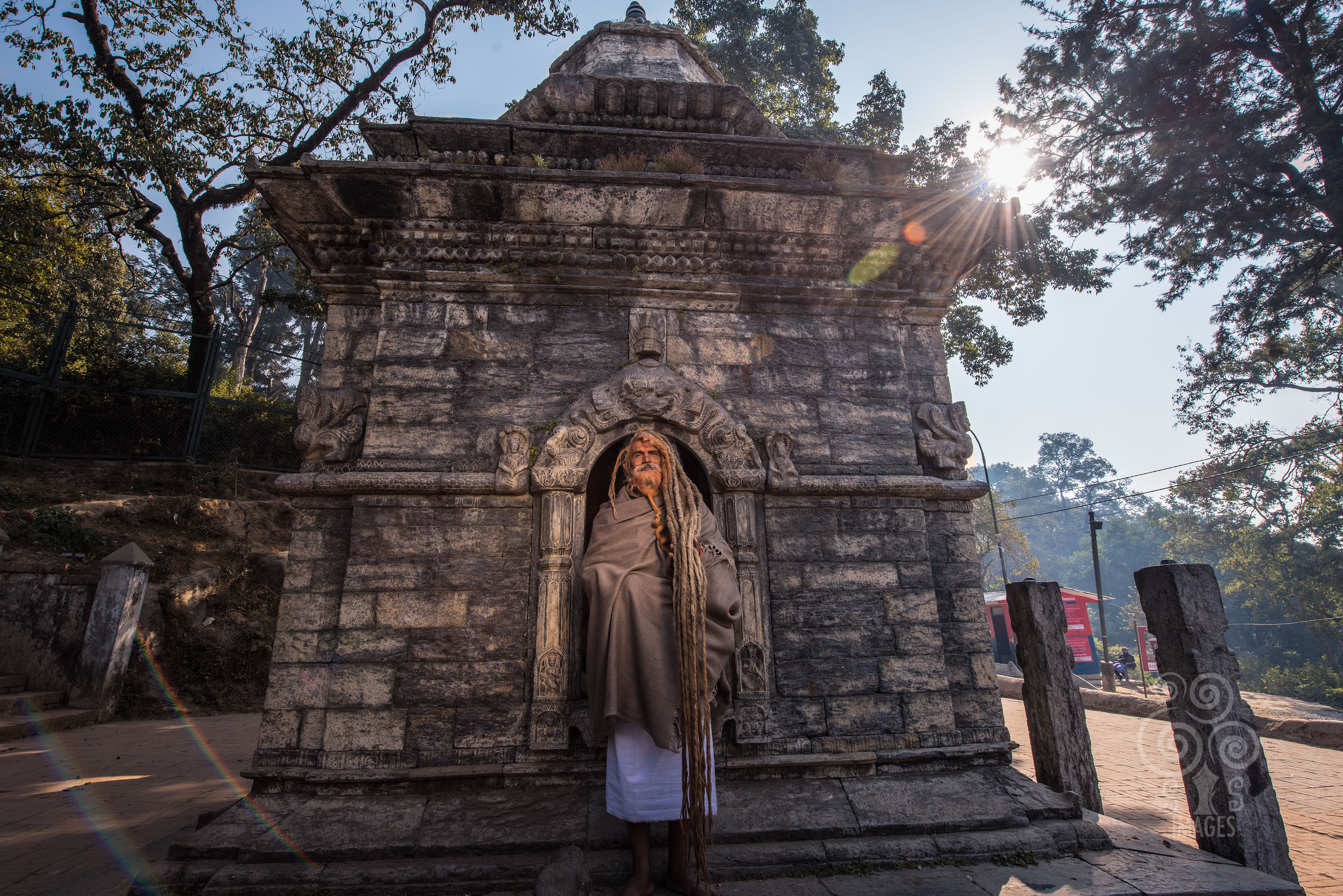
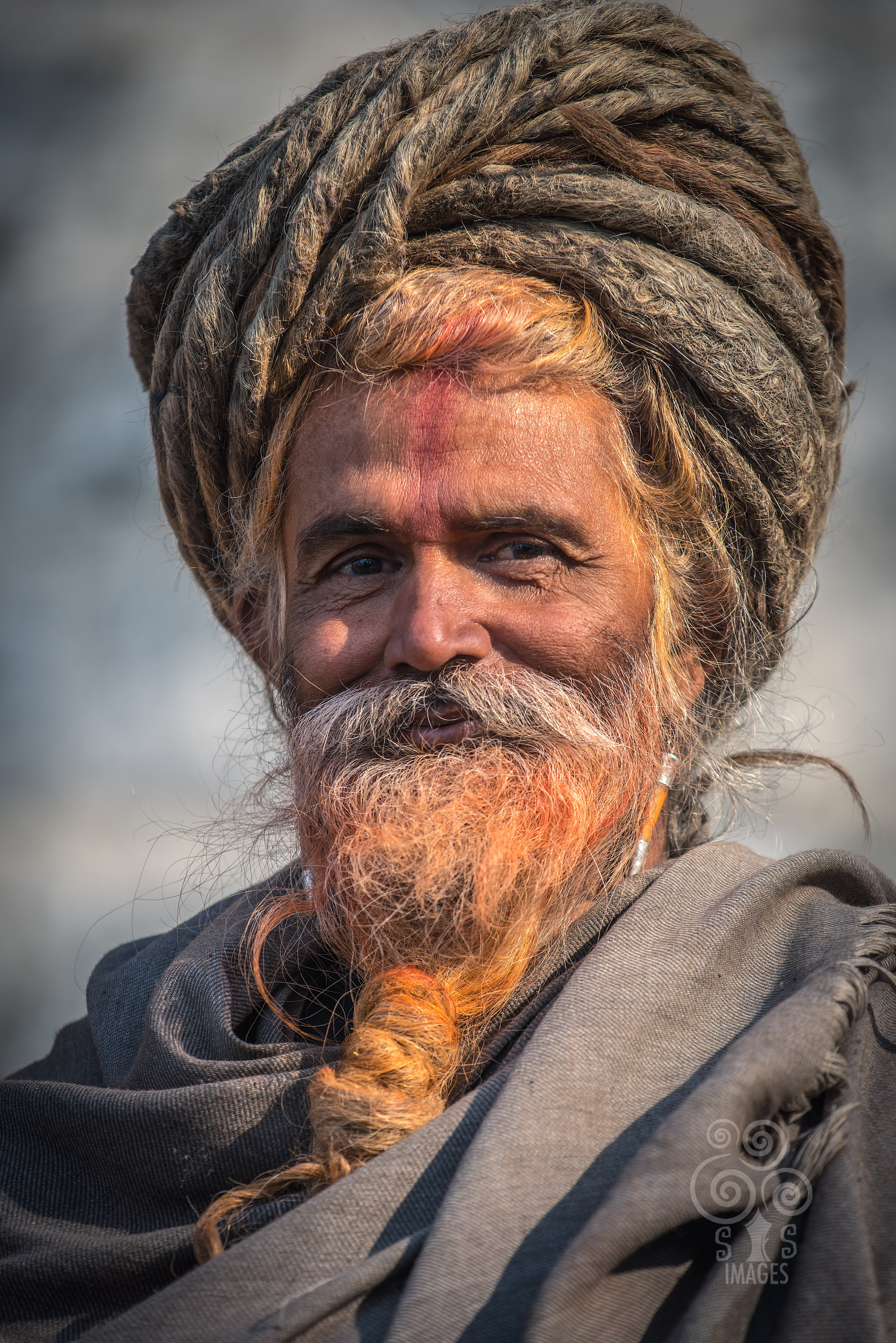
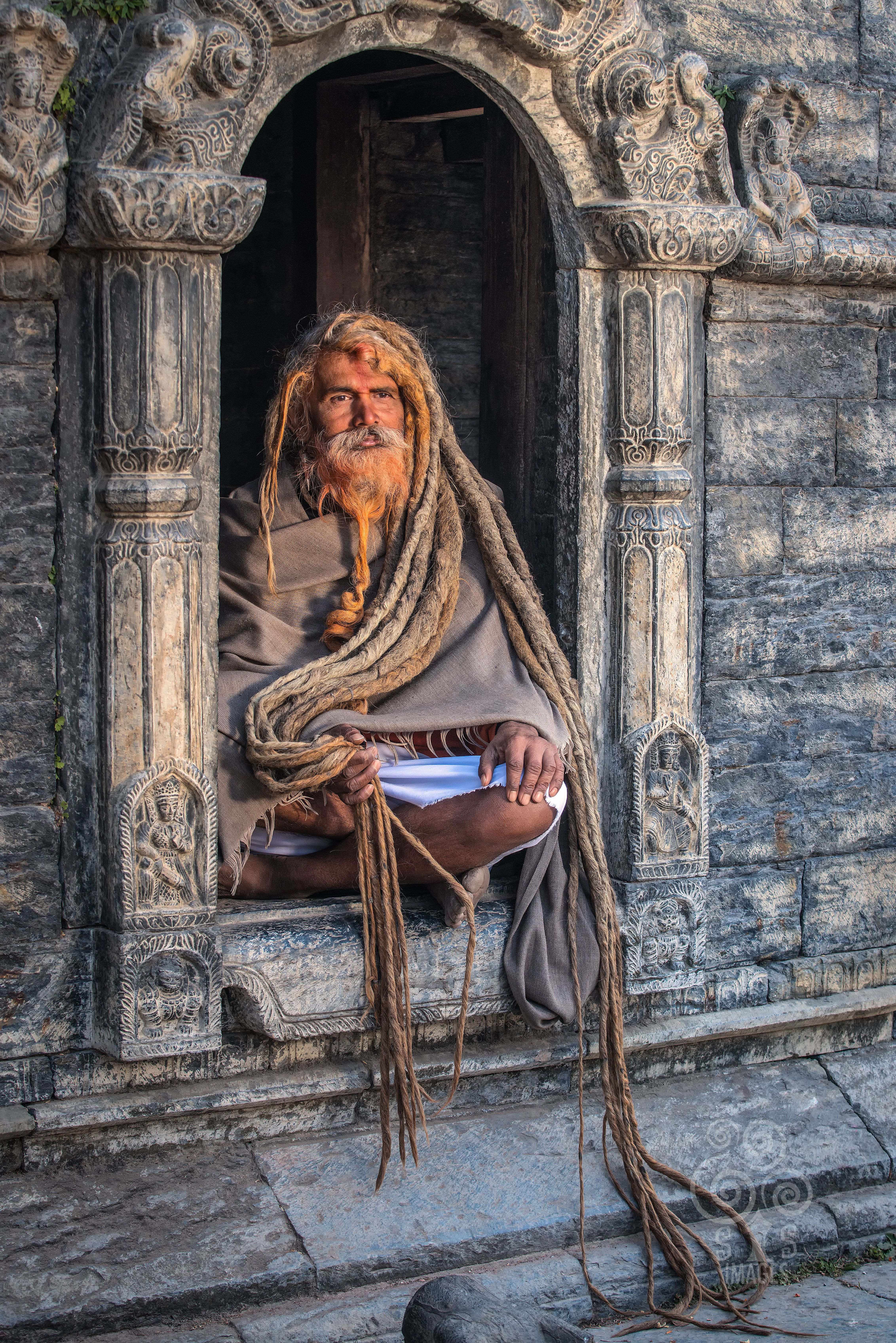
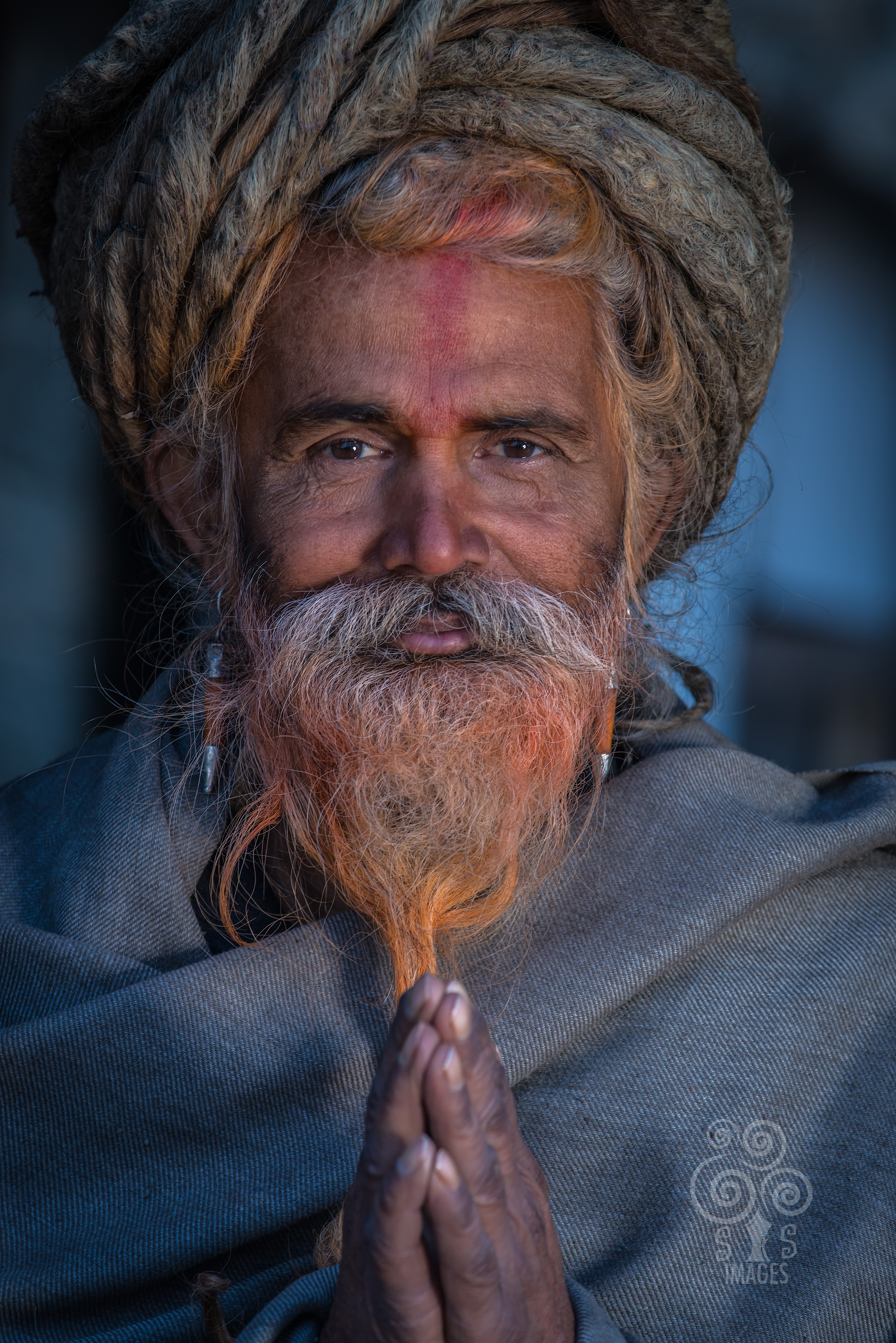
Okay! back to my story for today. As at now … I am still obsessed with photographing human face. This is a series of photos that I took of a Sadhu in Kathmandu, Nepal.
He has a very long hair that he can even wear it as a turban. He has an amazing personality, charming and smiled politely during an hour of our photo session. Fyi, as you walk through the back lane of the temple you will stumble into a few sadhus that gather freely around the area. We spotted him and wanted to take his picture. And yes … it was not free.
Sharing some of his poses here.
Pose 2: Capturing him in frames within frames
Pose 3: Trying different angles that show his crown aka hairs
Pose 4: He is a bit relax here with a hint of smile hidden under his mustache. Maybe he is amused by my antics
Pose 5: Rapunzel … Rapunzel … let down your hair
Pose 6: Namaste! My favorite pose of all
I love the earthy tone if his skin, his hair and his emotion shown on each poses. These pictures are a keeper moment for me. Gorgeous face …


 How do I spend my Ramadan month this year?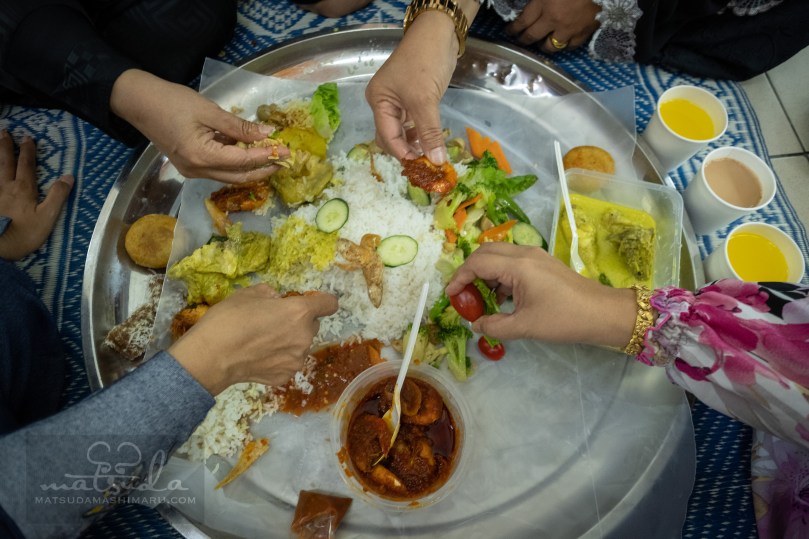



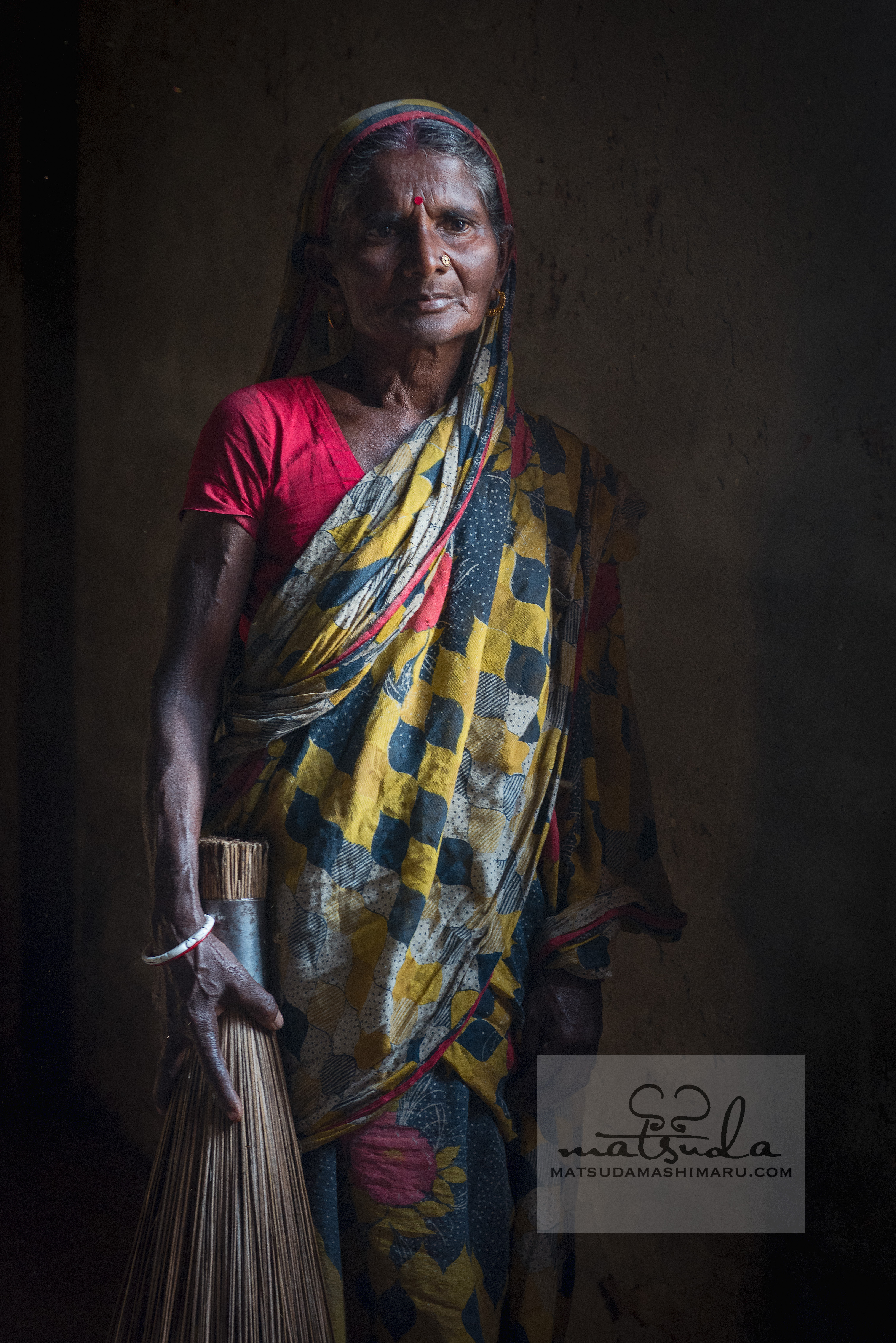


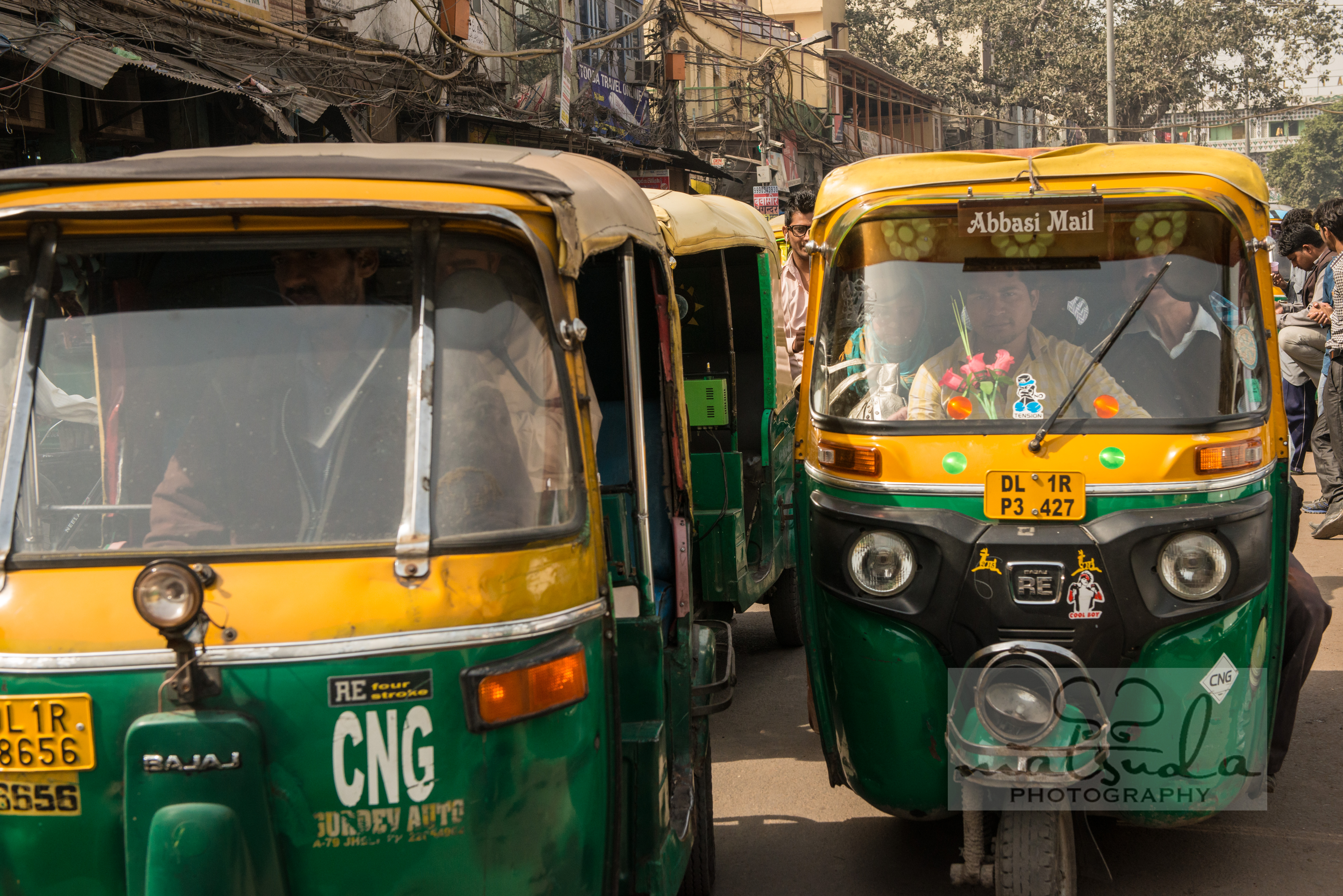 Re-visiting my India’s photos for my latest NST assignment to celebrate Deepavali or Dewali. All these photos bring back memories of me surviving India and I think its time to repeat India again.



 MATSUDA MASHIMARU