

I will be at the Kuala Lumpur Photography Festival (KLPF) 2025 (15-17 August 2025/ 11AM to 8PM), proudly showcasing my work at the Profile Exhibition, Booth A16.
For this special occasion, I’m exhibiting 31 photographs from my ongoing project, The Tree of Life: A Tualang Tree of Pedu Lake, Kedah. This project has been a labour of love. A journey into the heart of the forest to document one of Malaysia’s tallest and most awe-inspiring trees, the Tualang.
For over three decades, this very tree has been home to colonies of Tualang honey bees, cared for by local honey hunters who practice a centuries-old tradition of sustainable harvesting. Through my lens, I’ve sought to capture not only the tree’s towering beauty, but also the intricate web of life it sustains, from the buzzing of bees to the stories of the people who protect it.
KLPF is more than just a festival for me; it’s a chance to meet people who love photography as much as I do, to share the stories behind my images, and to connect over our shared passion for nature, culture, and visual storytelling.
If you’re visiting KLPF this weekend, I’d be delighted if you stopped by Booth A16 to see the photographs in person and have a chat with me. Whether you’re a fellow photographer, a nature lover, or simply curious about the magic of the forest, I’d love to hear your thoughts.
Let’s celebrate photography, storytelling, and the beauty of the natural world — one frame at a time.
Below is a summary of my ongoing project, The Tree of Life: A Tualang Tree of Pedu Lake, Kedah. This story is still unfolding — each visit to the forest reveals another page, another breath, another truth. I will keep documenting, keep sharing, and keep weaving the tale of The Tree of Life into a coffee table book, so that this legacy of people, bees, and forest will live on for generations yet to come.
At the heart of Tasik Pedu in Kedah, Malaysia, stand a few towering Tualang trees (Koompassia excelsa), among the tallest tropical tree species in the world. For more than three decades, a few trees have been home to thousands of wild honey bees, making it not just the giant of the forest, but a pillar of the lake’s living ecosystem.
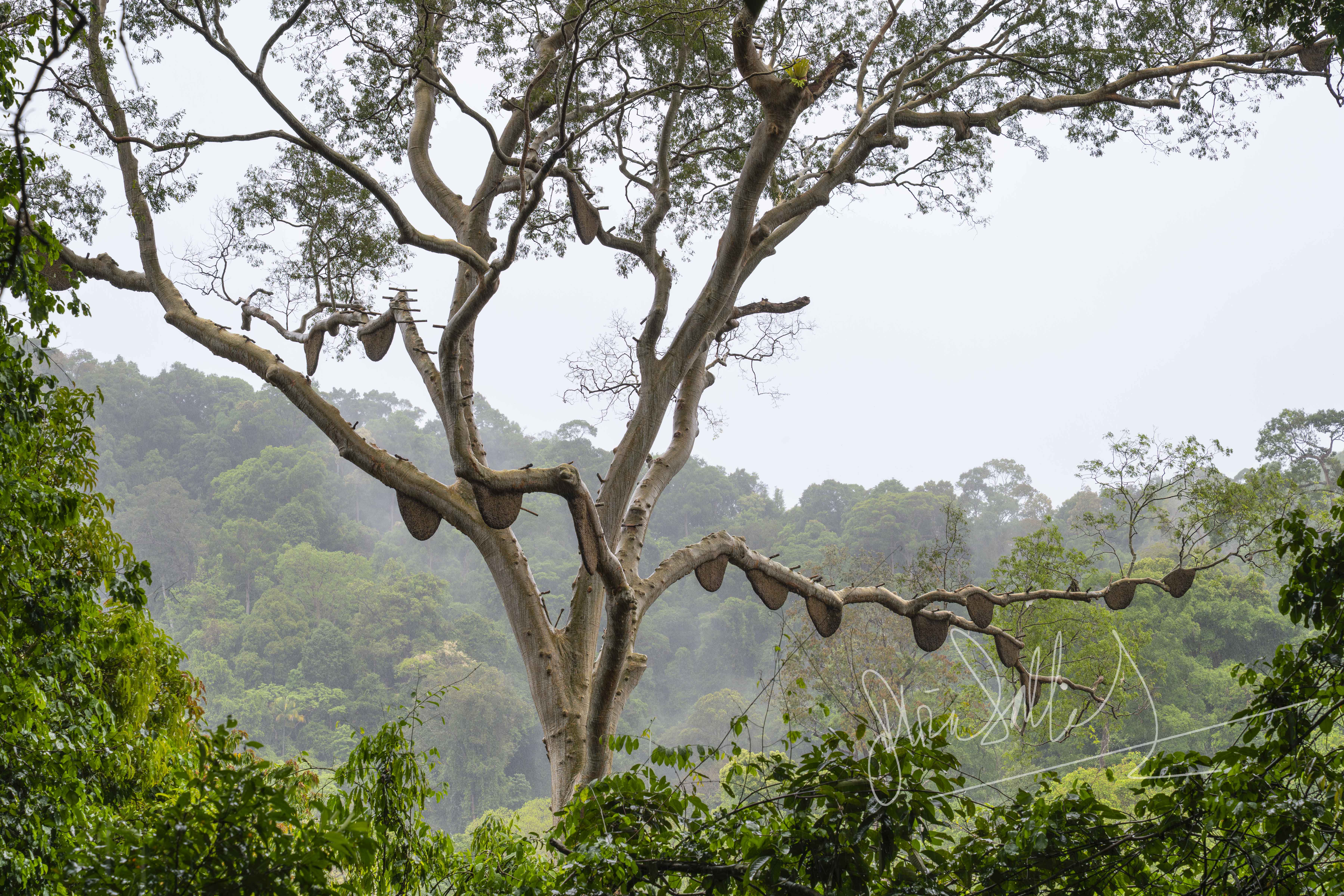
The Tualang tree of the Pedu Reserve Forest is unmistakable among the rainforest giants. Towering above its neighbour, it wears a crown of bright green foliage, its branches spreading wide like a decorated chandelier, and its smooth grey bark holding the quiet elegance of an ancient storybook. For decades, this towering sentinel has hosted thriving bee colonies, long-term residents who have raised at least two generations here, faithfully paying their rent in golden honey. The height is not accidental; it provides the bees protection from most predators and allows them to spot rich nectar sources from afar.
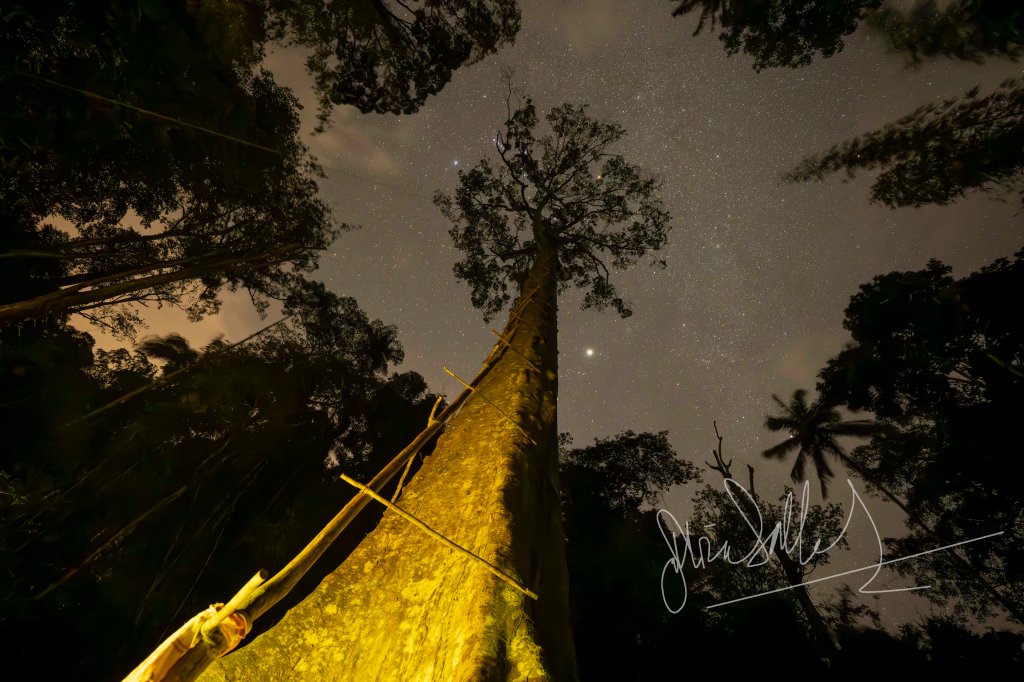
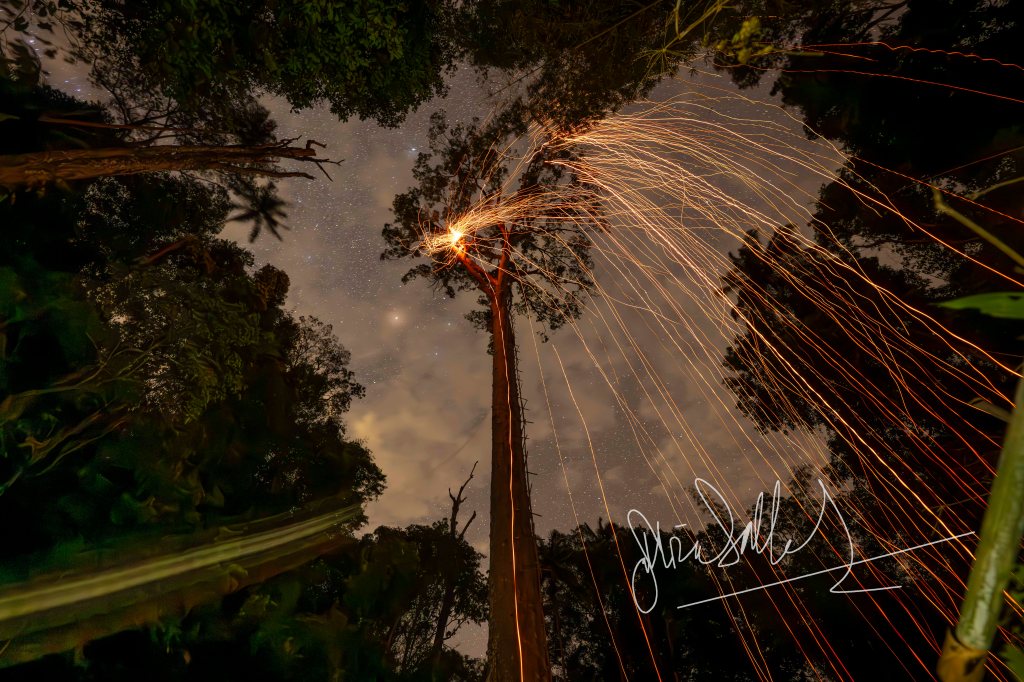
Two Tualang trees stand near the Serimahawangsa boathouse at Pedu Lake, easily accessible for our observation and study of their unique relationship with the resident bee colonies. The honey produced here is renowned for its exceptional quality, as the bees forage freely (bees travel up to 5 kilometres daily in search of nectar) in the surrounding virgin forest. This untouched ecosystem, rich with diverse flora and fauna, offers an abundance of high-quality nectar, resulting in honey of remarkable purity and flavour.
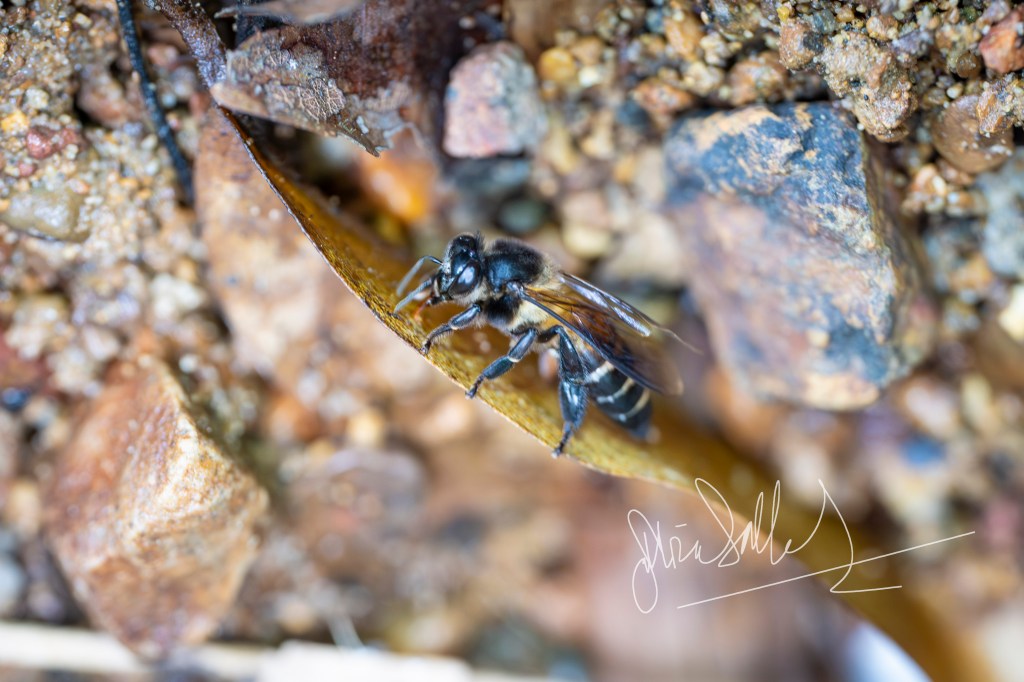
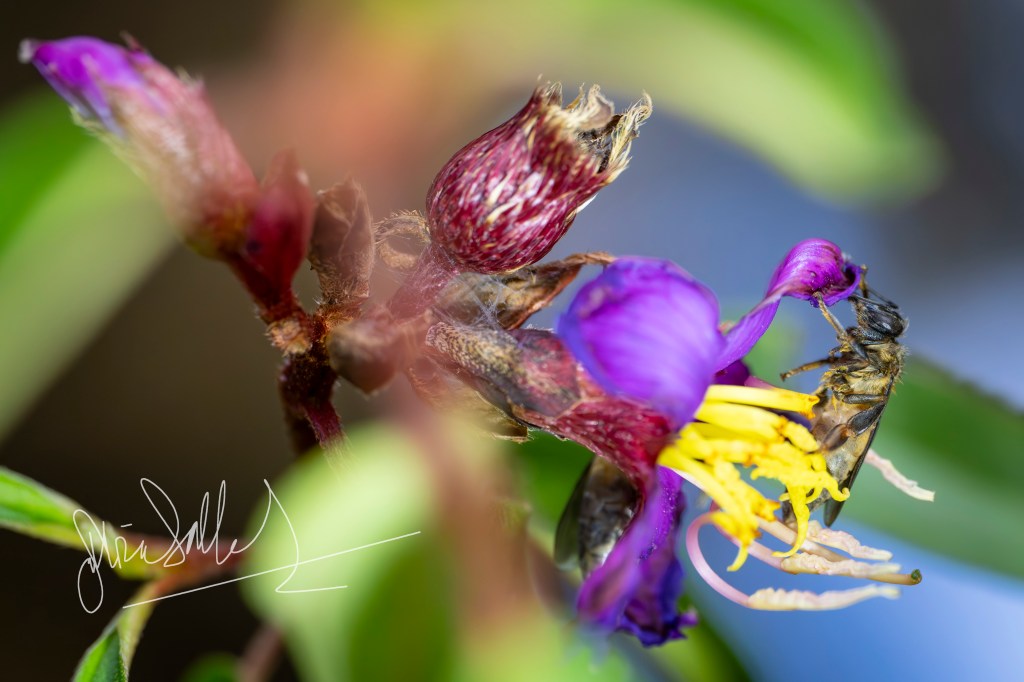
At Tasik Pedu, honey harvesting takes place only once a year, typically in March, when the combs brim with honey and the nectar flow reaches its peak. For over three decades, a group of local honey hunters from nearby villages has gathered honey from these towering Tualang trees. Using traditional methods passed down through generations, they harvest in a way that safeguards both the trees and the bees. This tradition is more than a means of gathering honey — it’s a living testament to harmony with nature. The bees pollinate the forest, the forest nourishes the bees, and the trees sustain the hunters, who in return shield them from harm.
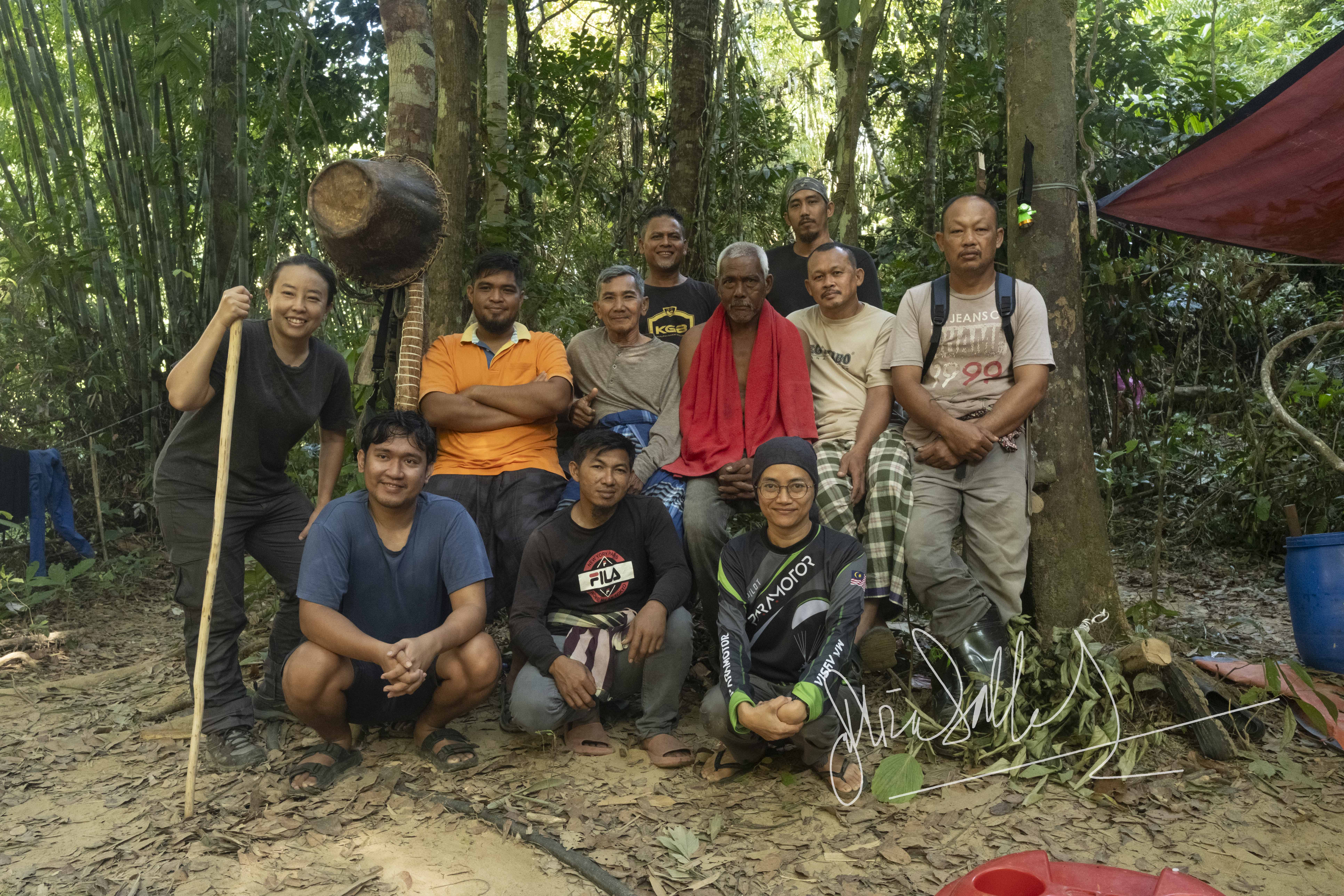
I am walking alongside the Tualang honey hunters, camera in hand, tracing a path they have walked for decades. Through my lens, I capture more than just their work; I witness the knowledge passed down through generations, where tradition and conservation are not opposing forces but partners in harmony.
Their way is gentle, patient, and respectful. Because of this, the same towering Tualang trees still shelter thriving bee colonies. Yet, the forest tells a quieter truth — the number of hives has diminished, a silent echo of the changing climate.
The hunters, now with silver at their temples and hands etched by time, still make their annual climb. Each step upward is more than a quest for honey; it is an unbroken thread connecting past to present, a bond between people, trees, and bees that refuses to fade.
The journey doesn’t end here — I have more stories to tell, more moments to capture, and more of The Tree of Life to share as I work towards a coffee table book that will preserve this legacy for generations to come.
Thank you
MM
p/s: more sharing here at my social media posting
 MATSUDA MASHIMARU