
September 2019:
Haze has been invading my fresh oxygen supply since early last month and it gets worse every single day now. Never a miss for each year during the dry season that we Malaysians have to experience the smoky haze coming from our neighbouring country.
I got most of my asthmatic and flu symptoms during the haze season. I take honey to help soothe my phlegm and sore throat. Malaysia is cynically a 3 season country now. We used to have the dry and monsoon seasons but in the past few years, we kept having the haze season too.
Wild honey reminds me of the famous Manuka honey
The sweet thick caramel taste of New Zealand Manuka honey is made by bees that roam around the huge open valleys in New Zealand, where Manuka flowers bloom widely between bushes and the bees roam freely collecting delicious nectars. Manuka honey is graded by a certified grading system based on its antibacterial activity.
Our Malaysian local honey doesn’t have any grading or authenticity system yet. And most of the local honey available on the street is fake honey. To get authentic local honey is like trying to find a needle in a haystack, I heard all sorts of stories about being cheated into buying melted caramel sugar claimed as pure honey.
You can only be 100% sure if you can witness the honey harvesting process with your own eyes.
It is not easy to get pure local honey
Honey tastes differently from one another depending on the type of flower nectar that the bees suck into. The environment that the bees live in contributes to the quality of the honey.
I had tasted Malaysian local honey.
Honey Kelulut tastes a bit sour to me. Some local honey from an unidentified origin ( the seller swears that it is pure honey) tastes sugary. The famous sought-after Tualang honey of Pedu Lake tastes grassy and flowery with a bitter taste at the end of your tongue.
The Tualang honey from Pedu Lake Forest Reserve tastes deliciously different from the rest.

Why do bees choose the Tualang tree?
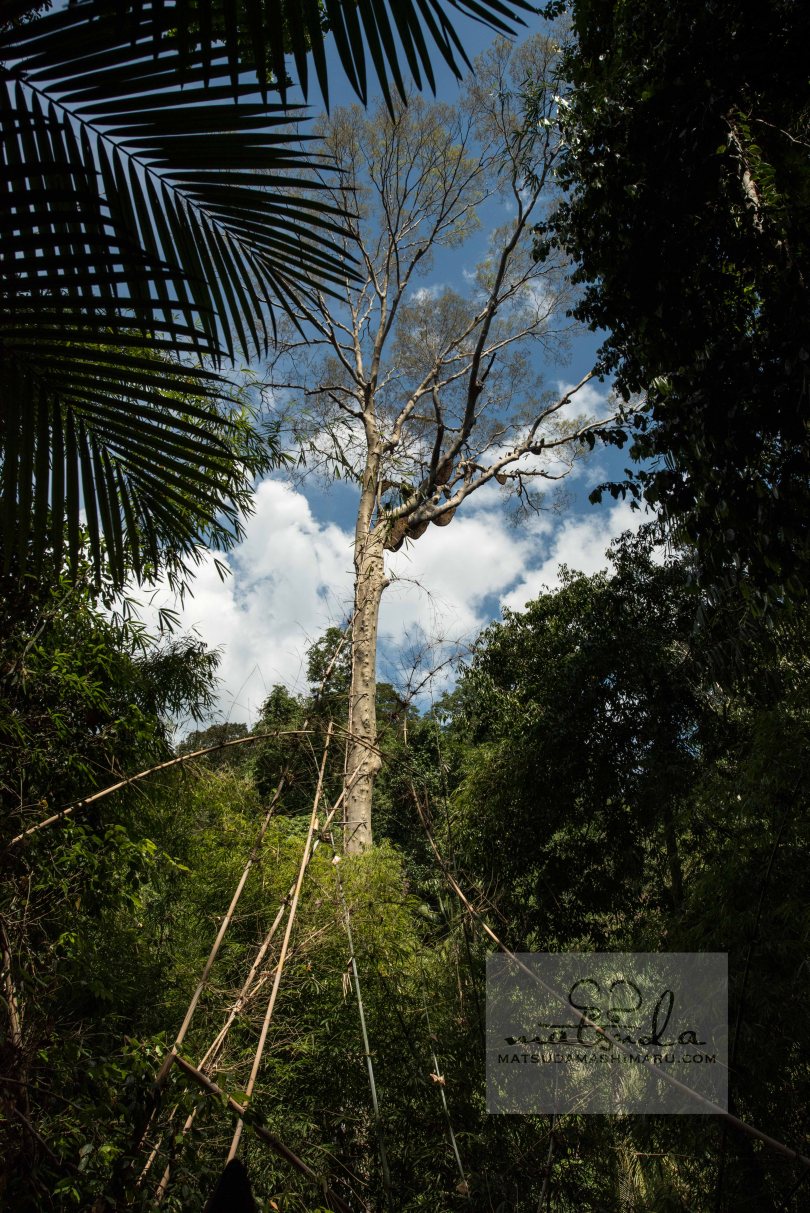
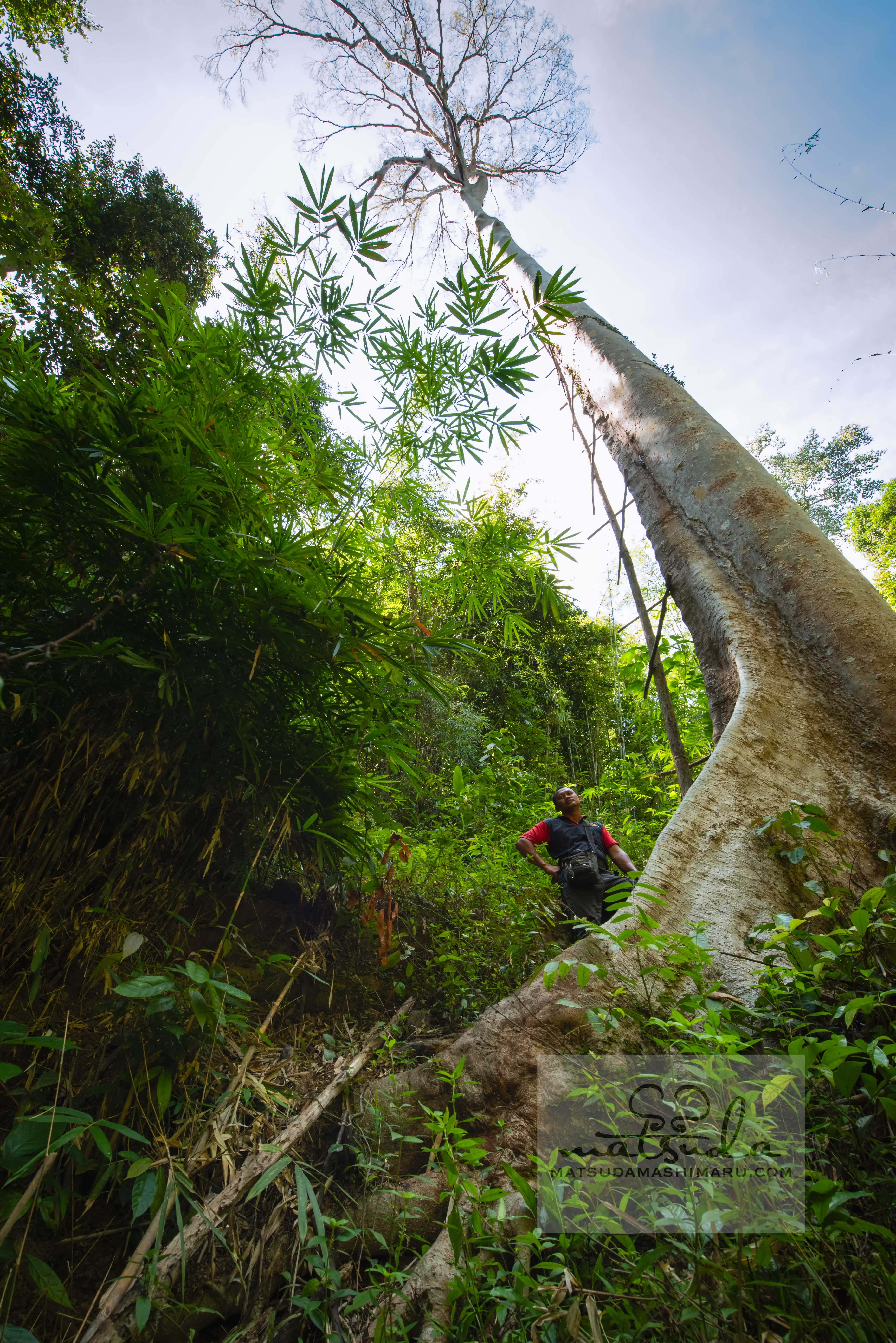
The tallest tree in the rainforest is the Tualang tree. The tree stands prominently among the rest of the trees in the forest.
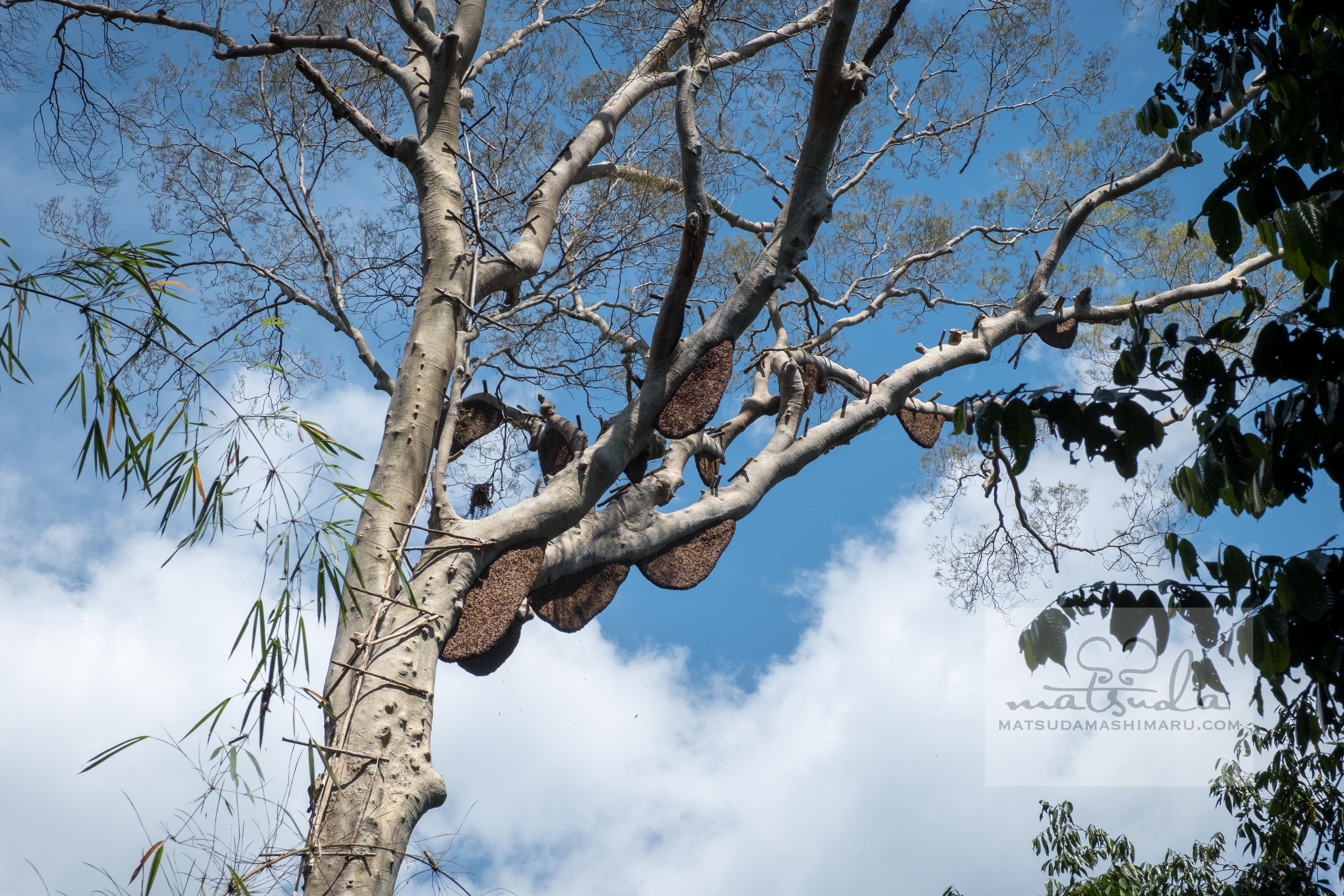
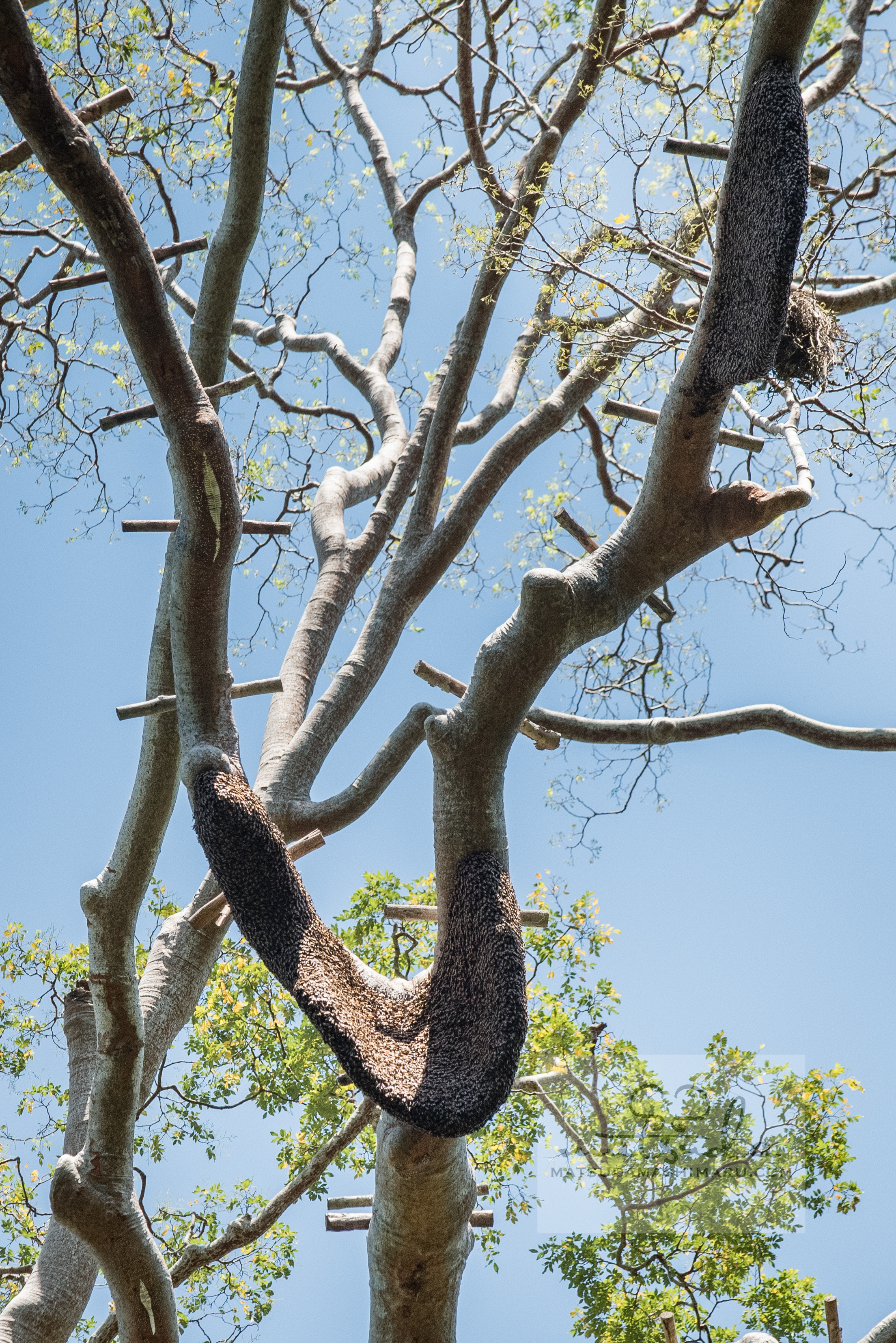
And, giant Asian bees of Apis Dorsata roam around the forest collecting flower nectars around Tasik Pedu and build their nest high up on the tall branches of a Tualang tree, out of the reach of the predators (both humans and animals). The bees collected flower nectars from the estimated 180 types of flowers from different trees surrounding the area of Pedu Lake Forest Reserve.
I always have the idea that we are stealing from the bees. The bees work hard accumulating nectars and turning them into golden honey, while we easily steal from their hives. But the truth is our relationship is mutually beneficial.
Humans and bees have a complex interdependence that revolves around pollination, agriculture, and ecosystem health. The population of bees plays a crucial indicator of our biodiversity and ecosystem health.
Therefore, honey hunters have to adopt a sustainable method of harvesting wild honey to minimize harm to bee colonies. Instead of destroying the entire hive, they often collect honey in ways that allow the bees to continue thriving.
Pemburu Madu Tualang or Tualang hunters of Pedu Lake
Late March this year (2019) I joined a group of local honey hunters at Pedu Lake Forest Reserve harvesting honey from one of the Tualang trees in Pedu Lake Forest Reserve. They are a well-known honey hunter around Malaysia as their harvesting practice emphasizes a sustainable method.
They are among a few honey hunters who harvest honey from the nest at night.
The team has the exclusive rights to a few Tualang trees in Pedu Lake. Honey collected from the bee trees in this virgin rainforest is ‘technically’ owned by him and his entourage. The ‘rights’ run in the family for almost 3 decades, starting from his great grandfather, grandfather, and now to him.
They have been adopting a sustainable way to harvest the wild honey for years.
If you are doing it right, the bees would always build their nest and produce tons of honey on the same tree year after year. It’s like a yearly ritual for the Honey Hunters of Tasik Pedu to gather and harvest honey from the same Tualang trees for more than 50 years.
Interesting right?

The flowering season of our rainforest
Bees would start building up their nest after the monsoon season. From January to March bees would be super busy helping the pollinating process around the Tasik Pedu Reserve forest. The cycle lasted for 44 days
I am lucky to have witnessed the mass flowering season of the rainforest around Pedu Lake Reserve Forest and Sepilok Forest in Sabah. It was in March and early April. I was told that the phenomenon happened every 5 years. Almost every tree in the forest was flowering.
And, each corner of the forest smells differently. I have a strong sense of smell. It was an amazing experience to witness and smell the forest during the mass flowering season.
I will share my experience with the Honey Hunters of Tasik Pedu in the next posting. In Sha Allah.
Cheers
MM
 MATSUDA MASHIMARU
thanks for sharing your experience 🙂
i just recently got into the Tualang honey..very interesting..my daughter(turned 4 this past november) was diagnosed with luekima last August. I’ve been reading this honey can help with fighting the cancer cells!?? Do you know anything about that? Or like where or what brand would be the actual tualang honey? Any pointers at all would be greatly appreciated:) thank you so much
respectfully
Adrienne C
LikeLike
Hi Adrienne.
The Tualang Honey hunting season for this year 2025 has ended a few months ago and I am not sure if the hunters have more honey to sell as most of their honey stock are pre-booked. All I can assure you is the Tualang Honey from this group hunter is 100% pure wild honey from Pedu forest. Can the honey heals cancer? That I am not sure off but I heard stories about the Pedu Tualang honey being used for cancer treatment in one of the Northern Malaysia hospital.
You can give it a try. Please contact the honey hunter’s leader directly at this number Zam 012-590-8488. If he doesn’t have any honey left then maybe you could pre-book for the next honey harvesting season.
I am sorry to hear about your daughter.
regards
Sally
LikeLike